
Last updated November 25, 2026
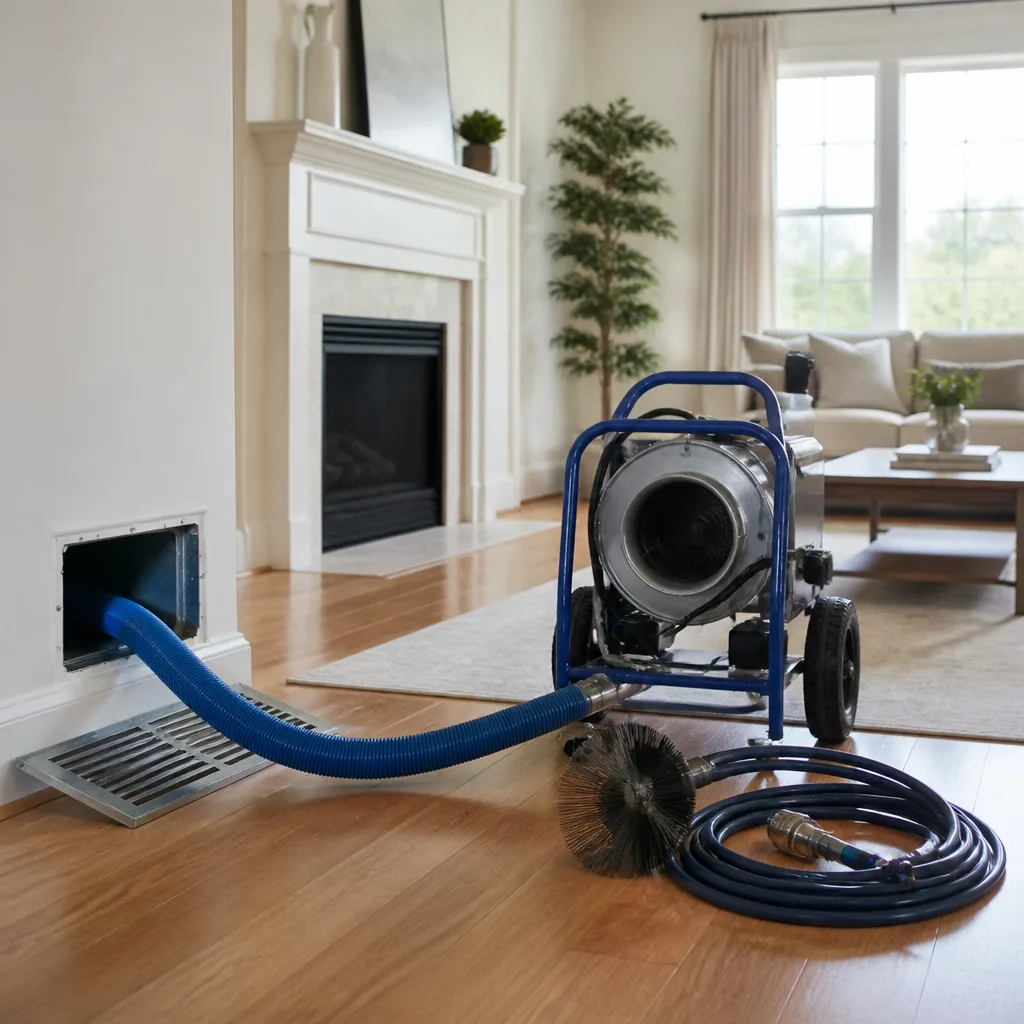 Whole-home duct cleaning
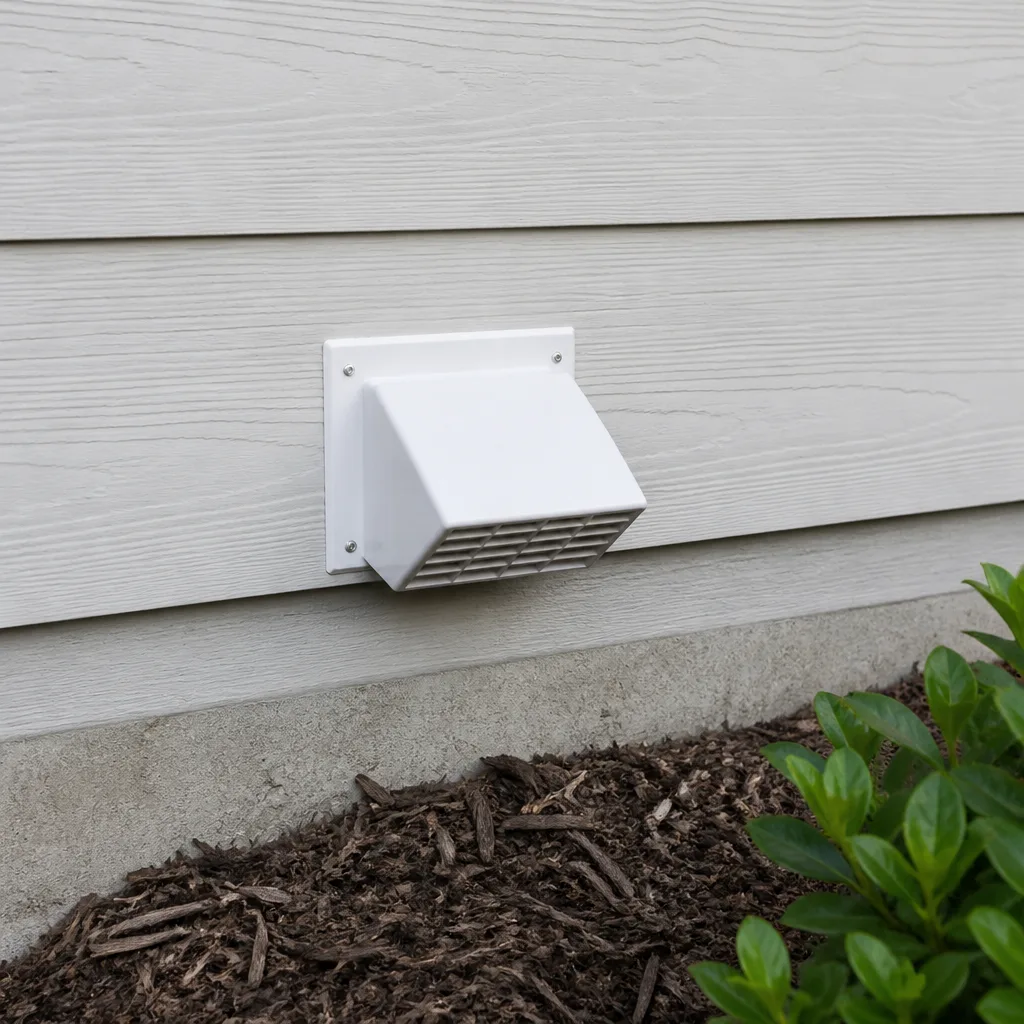 Dryer vent cleaning
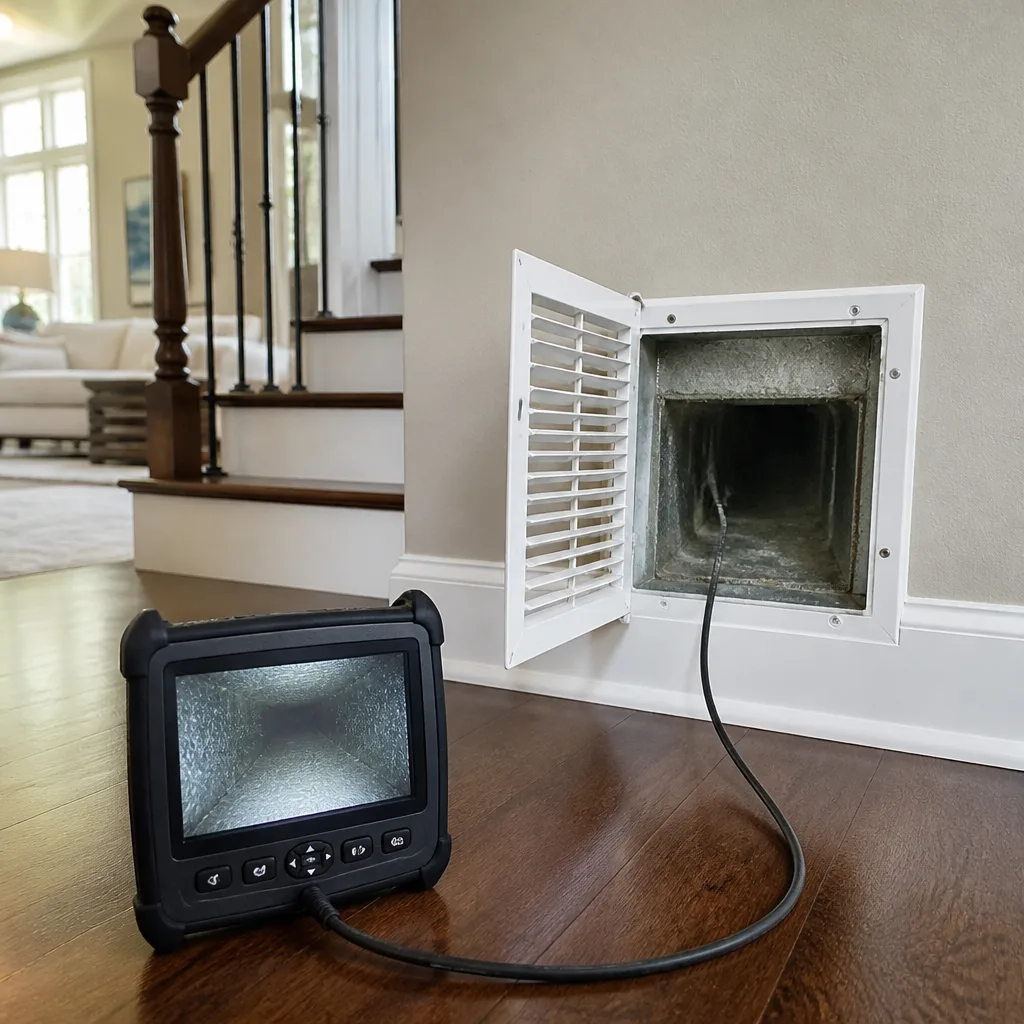 Camera inspection
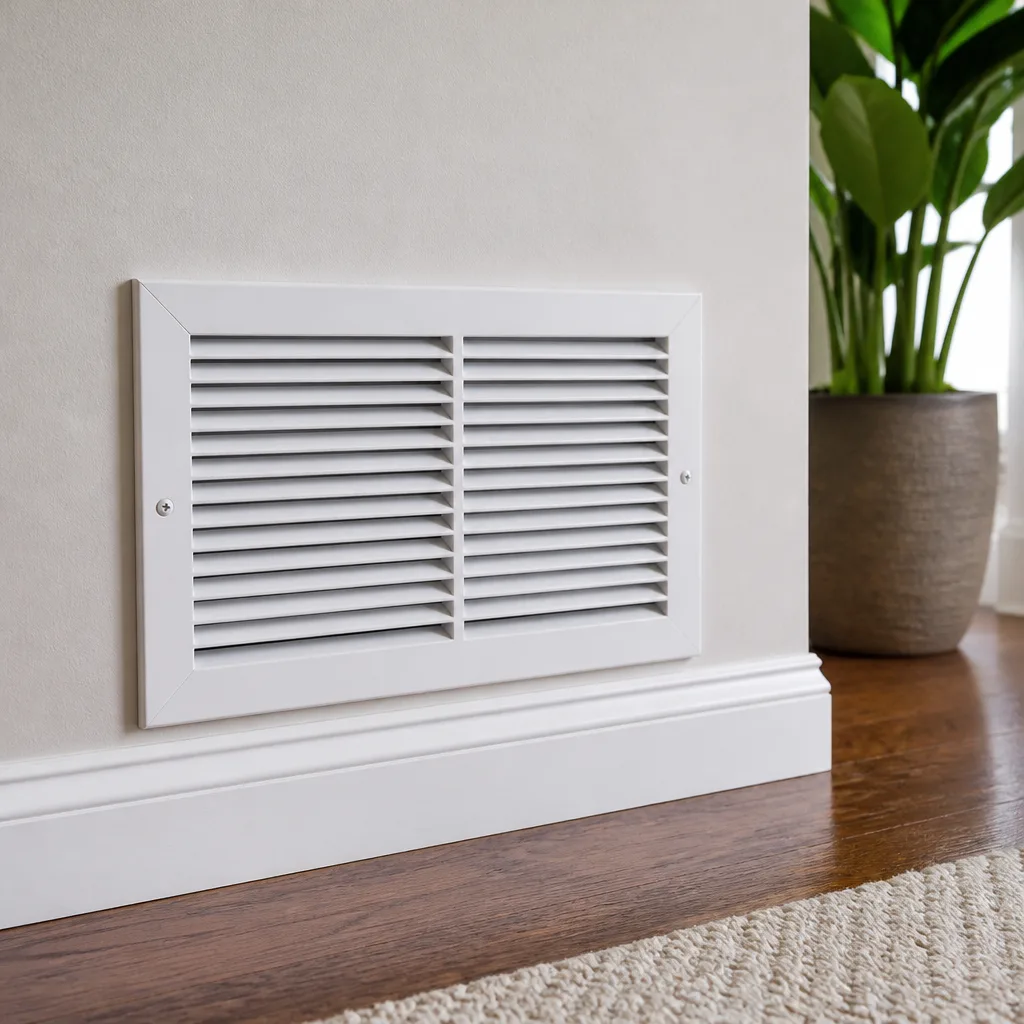 Sanitizing & deodorizing
Whole-system duct and dryer vent check with before-and-after photos - you see exactly what came out of your vents
That "$99 whole-house special" is a bait ad - the real number appears once they are in your hallway, or the "clean" is a shop-vac at the register. We photograph the inside of your ducts before and after instead.
Air Duct Cleaning Emergency Preparedness Guide for Westminster Homes
After a house fire, insurance adjusters focus on structural and visible surface damage. The duct system, which distributed smoke throughout every room for hours, is frequently overlooked in initial damage assessments and left contaminated. The same blind spot shows up after a wildfire smoke event or a water intrusion: the ducts keep carrying whatever got into them, long after the cleanup crew has packed up. Westminster sits where the Front Range meets the plains, which means wildfire smoke, wind-driven dust, and sudden hail-driven water intrusion all reach the same ductwork. This guide explains how contamination events interact with a duct system and what a proper remediation sequence looks like for a Westminster home.
Quick Answer
After a fire, flood, or major smoke event, duct cleaning belongs in the recovery sequence, not after it. The system should be sealed during active contamination, inspected once the event is over, then cleaned, sanitized, and checked for leaks before it is returned to normal service. In Westminster, that usually means acting before the next heating or cooling season pushes contaminated air back through every room.
Styles & brands we work with
- Whole-home duct cleaning
- Dryer vent cleaning
- Camera inspection
- Sanitizing & deodorizing
Table of Contents
- Why Westminster Ducts Get Hit by Emergencies
- Wildfire Smoke Events: When to Seal the System and When to Run It
- Post-Flood Duct Contamination and the Biological Growth Timeline
- Fire and Smoke Damage: The Remediation Sequence
- Renovation Debris and Remodel Dust
- Documenting Duct Contamination for Insurance Claims
- Pre-Emergency Preparedness for Your Duct System
- Why HVAC Cleaning Belongs in Recovery, Not Just Routine Care
Why Westminster Ducts Get Hit by Emergencies
Westminster sits at the edge of the Front Range, and the weather that comes with that geography is hard on a house. Summer wildfire smoke from the mountains and foothills settles into the metro, and the wind that pushes it around also moves fine dust and pollen. Then come the hail-driven storms that dump water fast enough to find the weakest seam in a building envelope. Add a housing stock that mixes older homes near the historic downtown with newer builds farther east toward the planned communities, and you get duct systems with very different vulnerabilities.
The duct system is the one part of the house that touches every room. Whatever gets into a return grille has a path to the bedrooms, the kitchen, and the basement within minutes of the blower turning on. That’s the part most homeowners underestimate. A smoky smell after a fire isn’t just an odor problem, it’s the visible signal that fine particulate has coated the interior of the ducts and the components of the system.
Contamination events in Westminster tend to fall into four groups:
- Wildfire smoke infiltration from regional fires, which pushes fine particulate through any open path
- House fires, where smoke travels the duct system for the duration of the fire and after
- Water intrusion from storms, plumbing failures, or sump problems, which reaches return systems through low-lying spaces
- Renovation and remodel debris, which is a slow-motion event that can leave more particulate in the ducts than a single storm
Each of these requires a different response, and using the right sequence is the difference between a clean system and a recurring problem.
Wildfire Smoke Events: When to Seal the System and When to Run It
The instinct during a smoke event is usually one of two extremes: run the system constantly to filter the air, or shut it off entirely. Neither is right in every situation. For a Westminster home, the decision comes down to the outdoor air quality, the state of your filters, and whether you’ve upgraded the system for smoke filtration.
When to seal the system
Seal the system and close the outdoor air intake when the smoke is thick, the sky is visibly hazy, and your filters are the standard disposable kind. Running a system with a basic filter during heavy smoke pushes more particulate into the duct interior without the filtration to capture it. Seal the return grilles with a filter-backed cover, close windows and doors, and keep the blower off until the outdoor air improves or until you’ve upgraded filtration.
When to run the system
Run the system when you have a filter rated for fine particulate (a higher MERV rating, which we can discuss during a walkthrough) and the outdoor air is moderate rather than thick. Running the system in that condition lets the filter do the work of capturing what gets past the envelope. Expect to change the filter far more often during a smoke event than you do in normal conditions.
What post-event inspection reveals
After the smoke clears, a proper inspection often finds a fine grey film inside the return trunks, coating the blower wheel, and settling into the interior of the supply runs. That film is the signature of a smoke event, and it doesn’t come out with a vacuum from the hardware store. This is where professional-grade equipment matters: a contained cleaning with negative-air filtration, finished with a sanitizing treatment, is what finally removes the smoke residue and the odor that goes with it.
If you’ve just moved into a Westminster home after a smoke-heavy season, it’s worth scheduling air duct cleaning before you unpack the last box.
Post-Flood Duct Contamination and the Biological Growth Timeline
Water and ductwork are a bad combination that gets worse with time. When a flood, plumbing failure, or major storm sends water into a Westminster home, the returns in the basement and crawlspace are often the first part of the system to be affected. Moisture wicks into the flexible duct liner, the insulation around the trunk, and the interior surface of the duct itself. Once that happens, the biological clock starts.
The biological growth timeline
The timeline isn’t perfectly predictable, but the shape of it is:
- First 24 to 48 hours: moisture is present, and any dust or organic material already in the ducts becomes food for microbial growth.
- Days 2 through 7: visible growth can begin on the interior surface of wet duct components, especially in humid summer conditions.
- Weeks 1 through 4: odor becomes the most reliable signal. A musty smell from the supply registers that persists after the rest of the house dries out is a clear indicator that the ducts themselves are still wet and growing.
- Beyond a month: in a duct that stayed wet, the damage to duct board, insulation, and flexible liner can become structural. Parts of the system may need replacement rather than cleaning.
What remediation looks like
Post-flood remediation has to follow the drying. The affected duct sections are opened, the interior inspected, and the material classified as salvable or not. From there, a contained cleaning with HEPA filtration captures the dislodged material, followed by an antimicrobial treatment on the surfaces that can be safely treated. Duct sections that have lost structural integrity or held water too long are removed and replaced before the system goes back into service.
A wet duct system that has been running while damp is a bigger problem than the flood itself, because it distributed whatever grew back through every room. If you’ve had water in the house, treat the duct system as part of the flood recovery, not a separate chore.
Fire and Smoke Damage: The Remediation Sequence
House fire recovery is a sequence, and duct cleaning belongs near the end of it. Cleaning ducts before the soot and smoke damage in the rest of the house has been stabilized means the ducts get recoated within days. Getting the order right saves the cleaning from being done twice.
Here’s the sequence we recommend:
- Structural stabilization and demolition. Fire-damaged materials, including damaged insulation, drywall, and framing, are removed and disposed of first.
- Surface soot and smoke cleaning throughout the home. Walls, ceilings, and contents are cleaned with the appropriate methods for the residue type before the ducts are touched.
- HVAC component inspection. The blower, the evaporator coil, the furnace heat exchanger, and the duct connections are inspected for soot and heat damage. Components that can’t be cleaned safely are replaced.
- Contained duct cleaning with negative-air filtration. This is the step that removes soot from inside the duct system without pushing it back into the home. HVAC cleaning covers the coil and blower components at the same time, because a clean duct connected to a sooty coil isn’t a clean system.
- Sanitizing treatment. After the mechanical cleaning, an antimicrobial treatment addresses the residue the vacuum can’t dislodge from porous surfaces and the odor that clings to the interior.
- Verification and reconnection. The system is inspected, leaks are sealed, and the ducts are reconnected and returned to service.
The equipment matters at every step of this. Negative-air machines from Abatement Technologies create the contained airflow that keeps soot from recirculating, and a Rotobrush agitation system reaches the interior surface of the duct in a way a shop vac can’t. Without that containment, the cleaning redistributes what you’re trying to remove.
Renovation Debris and Remodel Dust
A remodel is a slow contamination event. Drywall dust, sawdust, fiberglass particles, and construction debris all enter the return system while work is going on, especially in a Westminster home where returns sit in hallways or near the work area. By the time the project is done, the ducts often hold more debris than they did after any single storm.
The biggest mistake is leaving the system running during demolition. Returning a remodeled home to service without cleaning the ducts means the first few weeks of new-car smell are mixed with drywall dust circulating through every room. Sealing the returns during the work, changing the filter when the work is done, and scheduling a proper cleaning before move-in or first use is the sequence that protects the work you just paid for.
If you’ve finished a kitchen or basement renovation and the dust smell hasn’t cleared, the system is the first place to look.
Documenting Duct Contamination for Insurance Claims
Insurance adjusters work from evidence. Your claim is stronger when the duct contamination is documented the same way the visible damage is: with photographs, airflow measurements, and a written description of what the inspection found. Documentation is what turns “the house smells smoky” into a line item the adjuster can approve.
What to document
- Photographs before cleaning. Interior shots of the return trunks and supply runs, the blower wheel, the coil, and the filter, taken before anything is touched.
- Airflow evidence. Measurements at supply registers and the return, recorded before cleaning. A drop in airflow indicates restriction, which supports the contamination claim.
- Filter condition. A dated photograph of the filter in place, showing the loading, makes the case for contamination.
- A written inspection report. A description of the contamination type, extent, and remediation plan, matching the scope the adjuster is being asked to approve.
We’re glad to work with your insurer on the documentation. Having a report in hand, rather than a verbal description, moves a claim forward.
Pre-Emergency Preparedness for Your Duct System
Most duct emergencies get harder because the homeowner didn’t know where things were. Ten minutes of preparation now saves hours later. Here’s what to do before the next smoke event or water intrusion.
1. Document the system
Photograph or write down the location of the air handler, the furnace, the return grilles, and the duct runs you can access. Note the filter size and the type you’re using. A written record, kept with the home’s other documents, is what you’ll use to brief an adjuster or a technician under stress.
2. Know your shutoffs
Locate the electrical disconnect for the air handler and the main breaker that feeds it. In a smoke or water event, being able to shut the system down cleanly is the first protective step. Know the location of the gas shutoff for the furnace as well.
3. Upgrade filtration before you need it
A filter rated for fine particulate does more during a smoke event than any other single upgrade. Choose the highest rating your system is rated to handle, change it on schedule, and keep a spare on the shelf. The rating your system can safely support is a question worth asking a technician during your next service.
4. Schedule an inspection if the home is new to you
A Westminster home that has changed hands, or that came through a renovation, deserves a duct inspection before the first heating season. It’s the cheapest step in the preparedness list.
Why HVAC Cleaning Belongs in Recovery, Not Just Routine Care
Duct cleaning alone doesn’t cover recovery from a contamination event. The system is a chain: return grilles, duct runs, the blower, the coil, the heat exchanger, and the supply runs. A duct interior that’s been soot-coated but connected to a smoke-filmed blower wheel and a soiled coil means the system keeps distributing contamination from those components. That’s why we handle cleaning, HVAC component cleaning, repair, and sealing as one scope.
For routine care in a Westminster home, duct cleaning is a maintenance service. For recovery, it’s a sequencing job that has to include every part of the system. The same equipment is used in both cases – a Rotobrush agitation system for the duct interior, a Nikro HEPA vacuum for capture, Abatement Technologies negative-air filtration for containment, and Aprilaire or Honeywell-grade sanitizing treatments for the microbial and odor issues that survive the cleaning. Repair and sealing matter most in recovery, because a system that leaks after a cleaning pulls contaminated air back in from the space around it. From cleaning to sealing, one scope covers what a recovery actually needs.
One more piece of the ecosystem deserves its own line: your dryer vent. After a fire event, the lint load already sitting in the dryer vent becomes part of the fire risk assessment, and dryer vent cleaning is a standard line in the recovery scope.
Common Mistakes to Avoid
- Running the furnace during a smoke event without proper filtration. This pushes fine particulate deeper into the duct interior, where it settles and coats the surfaces. Wait, or upgrade the filter first.
- Cleaning the ducts before the structural cleanup is finished. Doing so in a house fire recovery recoats the ducts with soot within days and means the cleaning has to be repeated. Sequence the work correctly.
- Using a shop vac or a hardware-store brush kit on a contaminated duct. Without HEPA capture and containment, these tools redistribute the contamination into the rooms instead of removing it.
- Ignoring the return system after a flood. The returns in a Westminster basement or crawlspace are the first part of the system to get wet. If they are dried out without being cleaned and sanitized, microbial growth takes hold.
- Leaving a remodel with the HVAC running. Drywall dust loads the return system quickly. Seal the returns during the work and clean the ducts before move-in.
- Describing contamination to an insurer without documentation. A verbal description rarely moves a claim. Photographs, airflow measurements, and a written report do.
- Skipping the seal after the cleaning. Leaky joints pull contaminated air back into the system. Sealing the ducts after a cleaning is what makes the cleaning hold.
See the difference
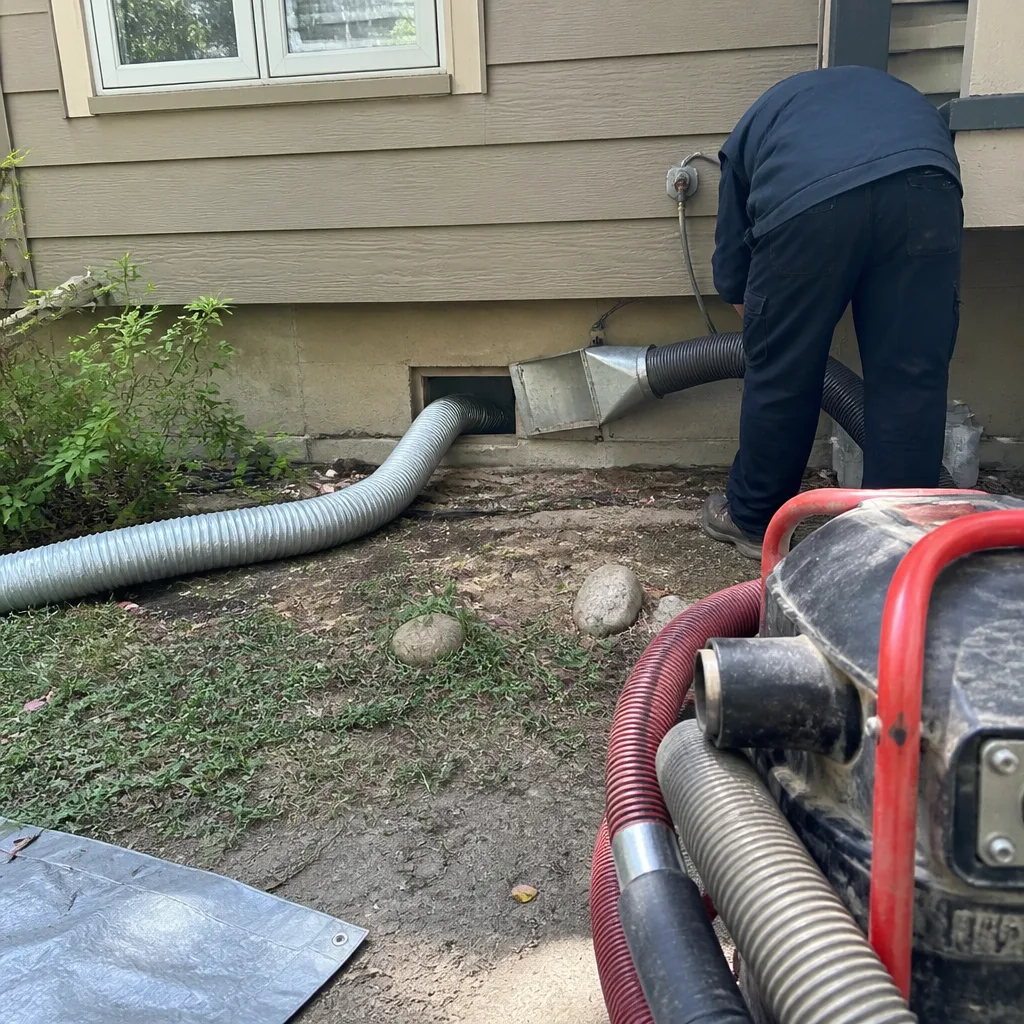 Before
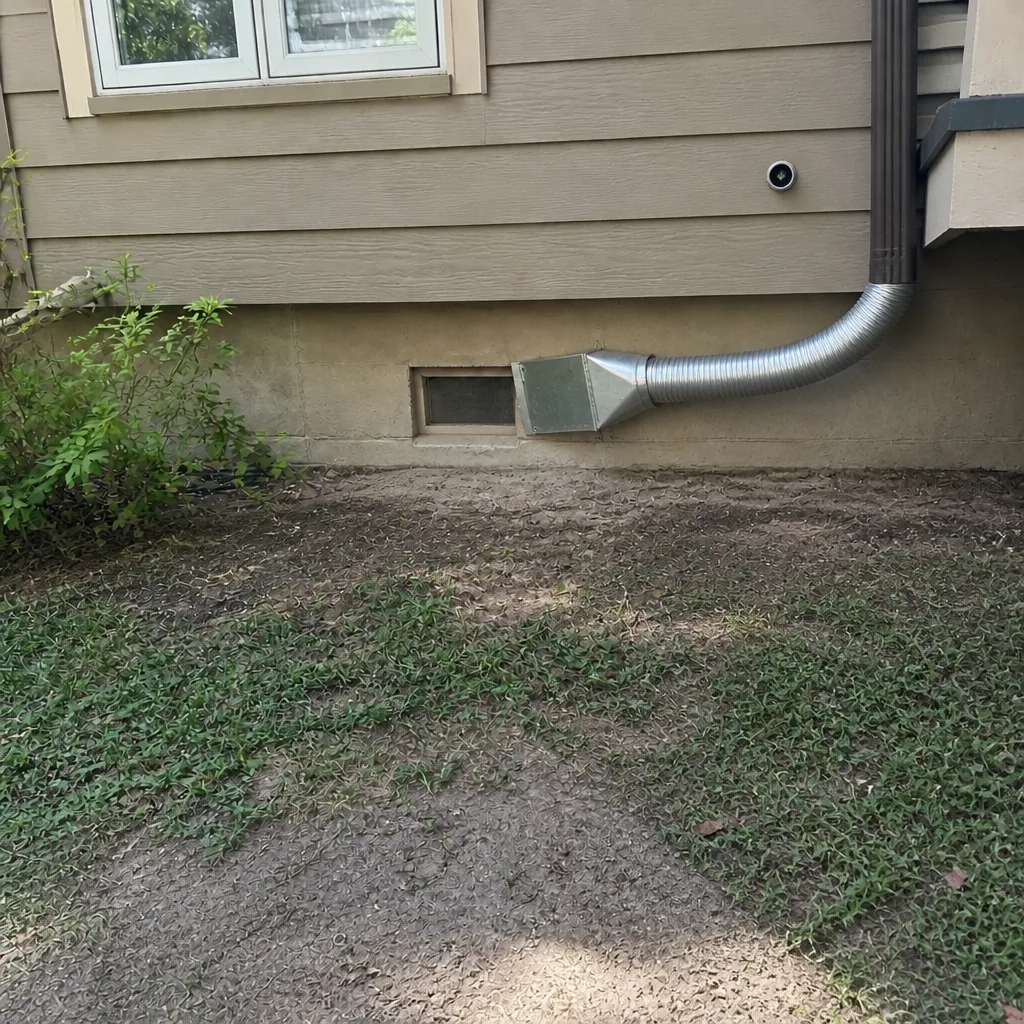 After
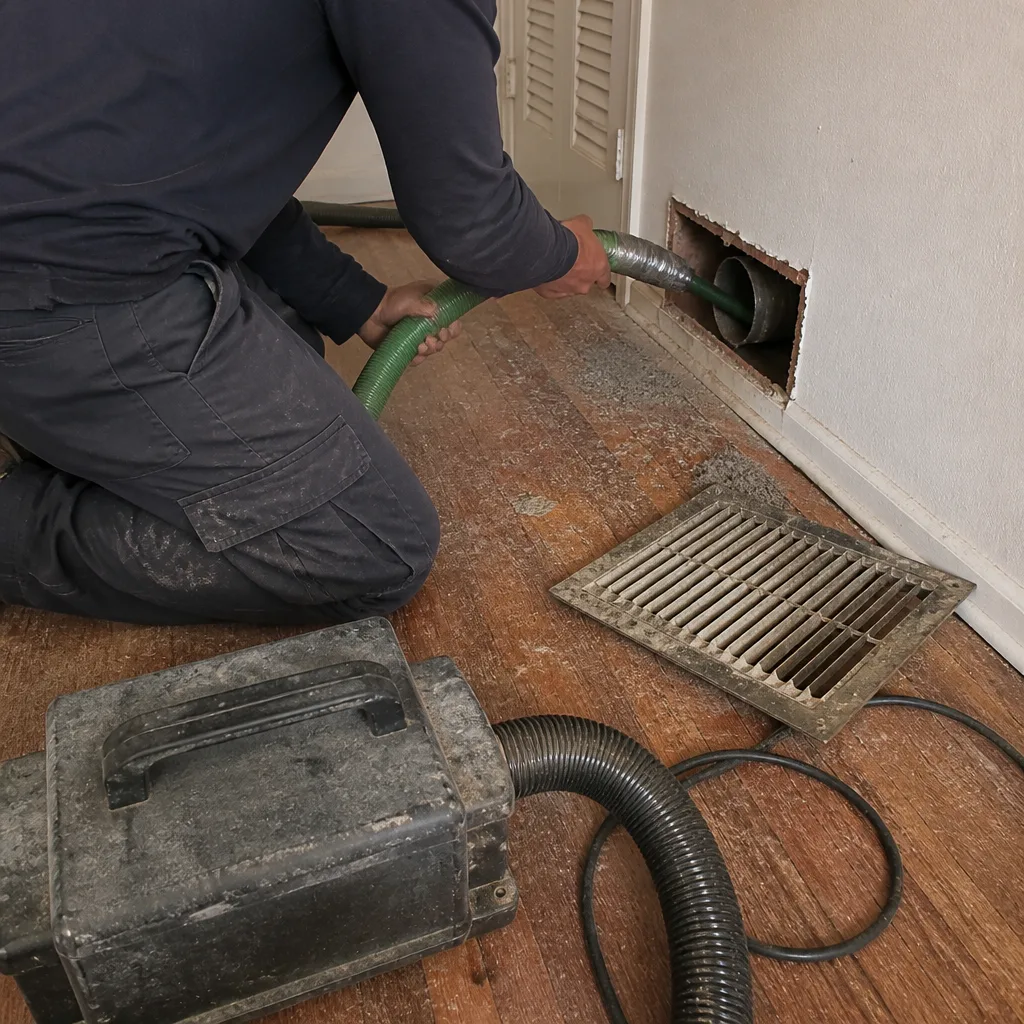 Before
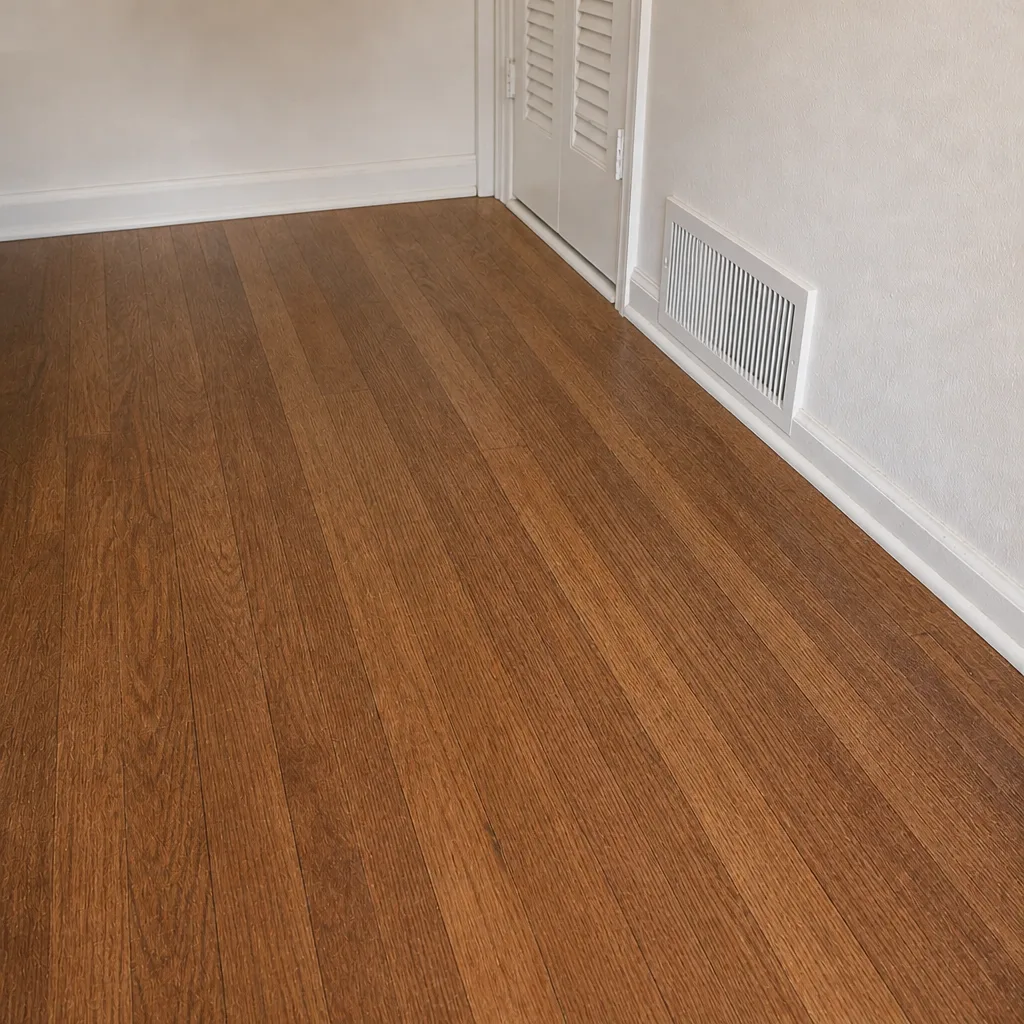 After
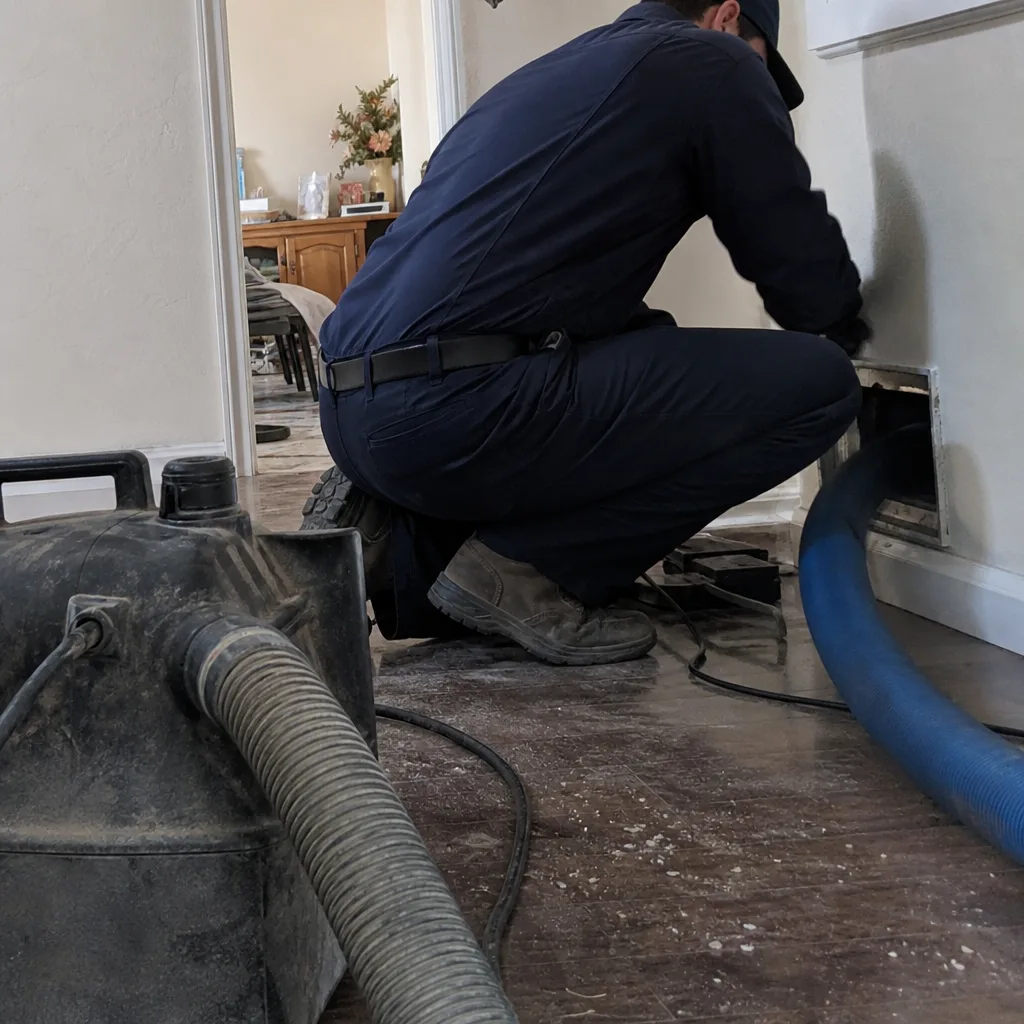 Before
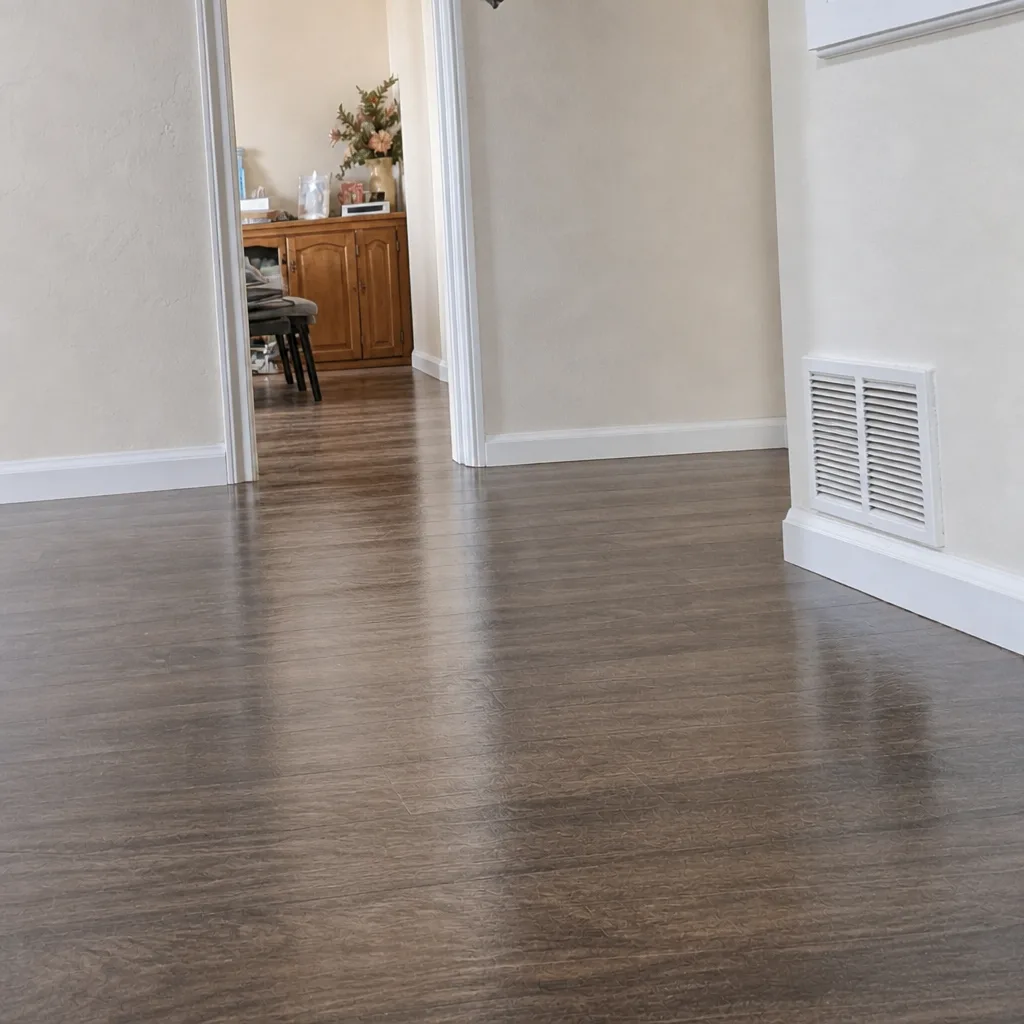 After
When to Call a Professional
Some duct contamination is obvious: smoke residue after a fire, water in the returns after a flood, or a musty smell from the registers weeks after a water event. Others are quieter. If you see a fine grey film on the return grilles, if the filter loads far faster than usual, if the airflow at the registers has dropped noticeably, or if the ducts haven’t been inspected since a remodel or a move, a professional inspection is the right next step. Westminster Air Duct Cleaning Pros offers free estimates in Westminster – call (833) 736-5689. We answer 24/7. Fast dispatch from 7am to 7pm, Sunday through Friday. The estimate is free and the price is set per job by the written estimate.
Frequently Asked Questions
Not effectively. Smoke residue has bonded to the interior surface of the duct, and a shop vac without HEPA capture and negative-air containment will push that residue back into the rooms. Professional cleaning uses contained airflow and an agitation system to remove it. Call (833) 736-5689 for a free estimate.
Days, not weeks. Microbial growth on wet duct components can begin within a few days, and the musty odor that appears after a week is usually the sign that the ducts are the source. Getting the system dried, cleaned, and sanitized sooner prevents the kind of damage that requires replacement. Call (833) 736-5689 for a free estimate.
Seal it if the smoke is thick and your filter isn’t rated for fine particulate. If you have a filter rated for smoke and the outdoor air is only moderate, running the system with that filter is the better choice. Call (833) 736-5689 for a free estimate.
Often yes, as part of the recovery scope, but documentation is what makes the difference. Photographs, airflow measurements, and a written inspection report move a claim forward. We’re glad to work with your insurer. Call (833) 736-5689 for a free estimate.
The cleaning uses HEPA capture and negative-air containment to keep dislodged debris from recirculating, and a post-cleaning inspection confirms the interior condition. The equipment is what makes the difference in the result. Call (833) 736-5689 for a free estimate.
Both. A clean duct connected to a sooty coil or blower wheel means the system keeps distributing contamination from those components. Westminster Air Duct Cleaning Pros handles the full scope: cleaning, repair, sealing, and sanitizing. Call (833) 736-5689 for a free estimate.
The Bottom Line
Duct system recovery after a fire, flood, or smoke event is a sequence, not a single service. Seal the system during active contamination, inspect once the event is over, then clean with contained airflow, sanitize, seal, and verify. In Westminster, wildfire smoke, storm-driven water intrusion, and renovation debris are the events most likely to test a duct system, and the right response timing makes the difference between a recovered system and a recurring problem. Document the condition for your insurer, prepare before the next event, and let the right equipment and the right sequence do the work. Call (833) 736-5689 for a free estimate.
Written by the team at Westminster Air Duct Cleaning Pros.