
Last updated November 25, 2026
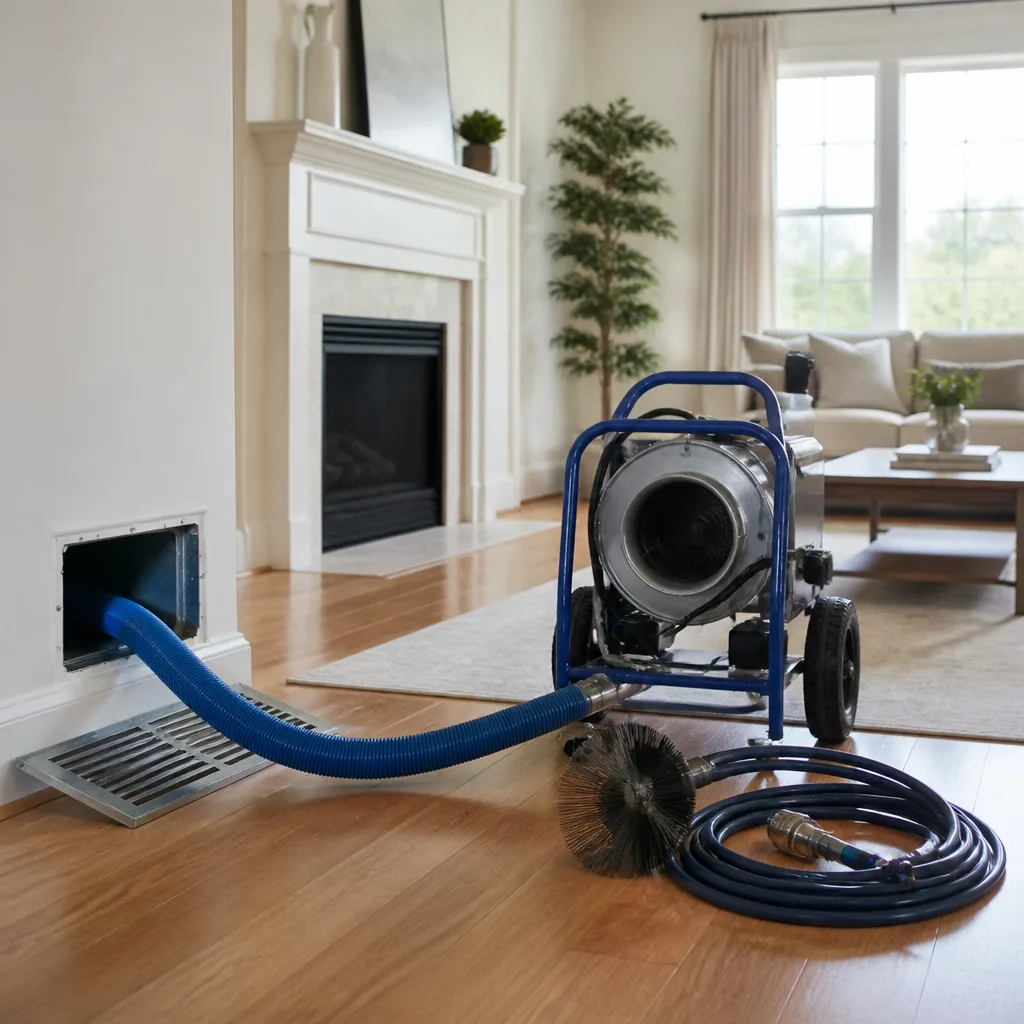 Whole-home duct cleaning
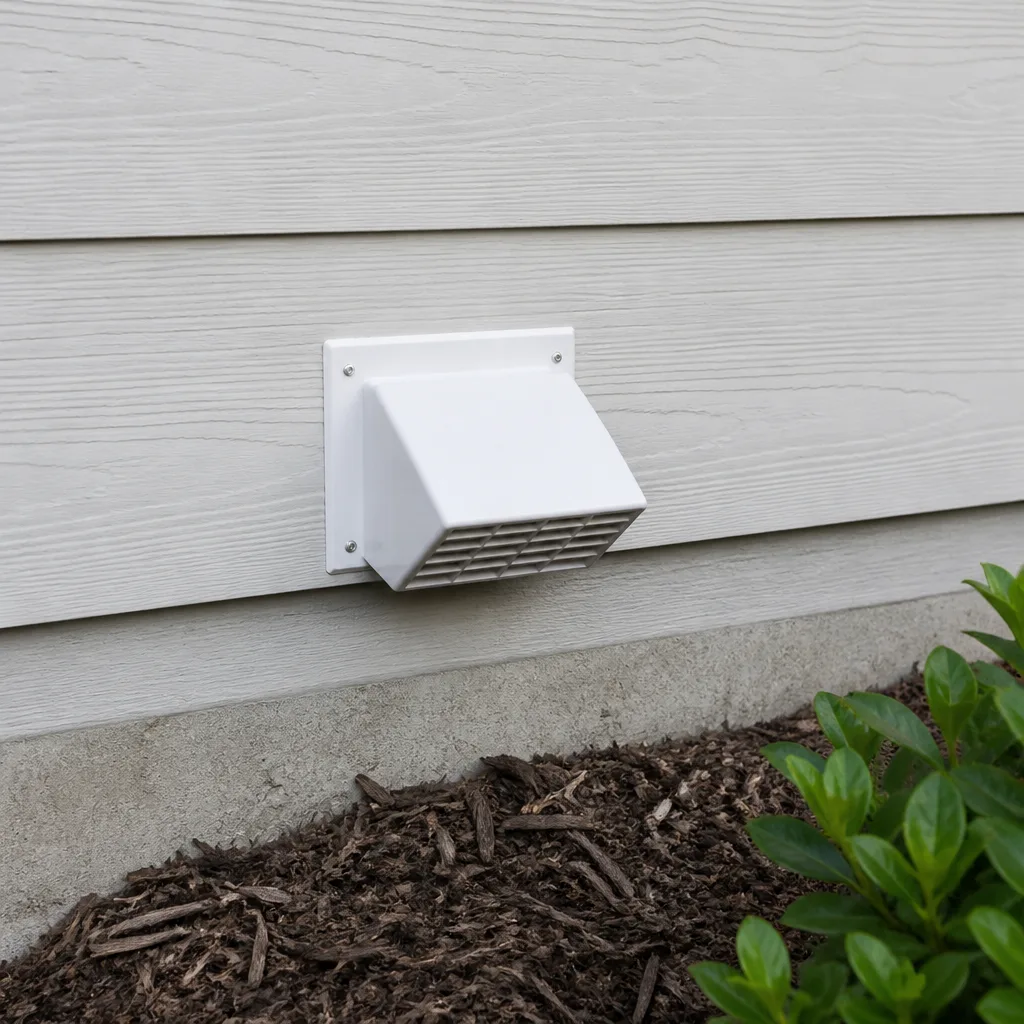 Dryer vent cleaning
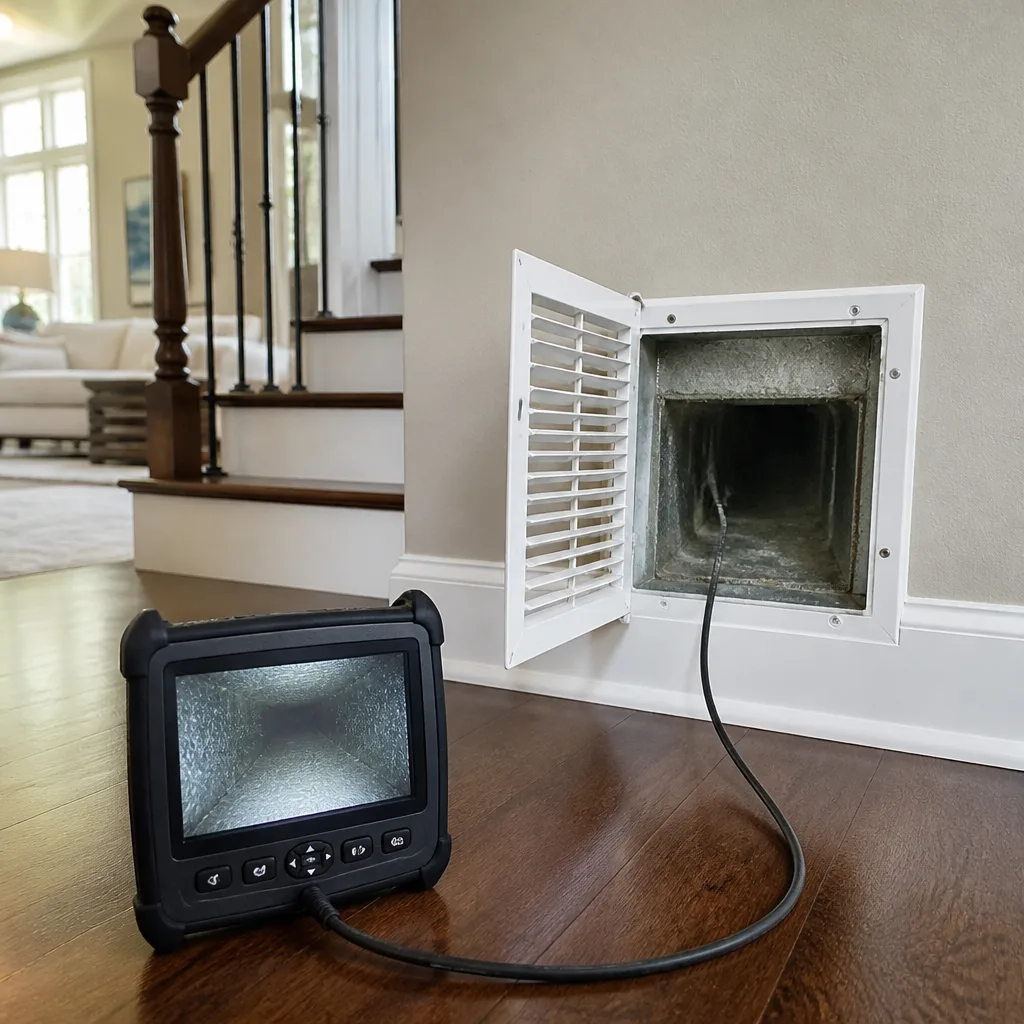 Camera inspection
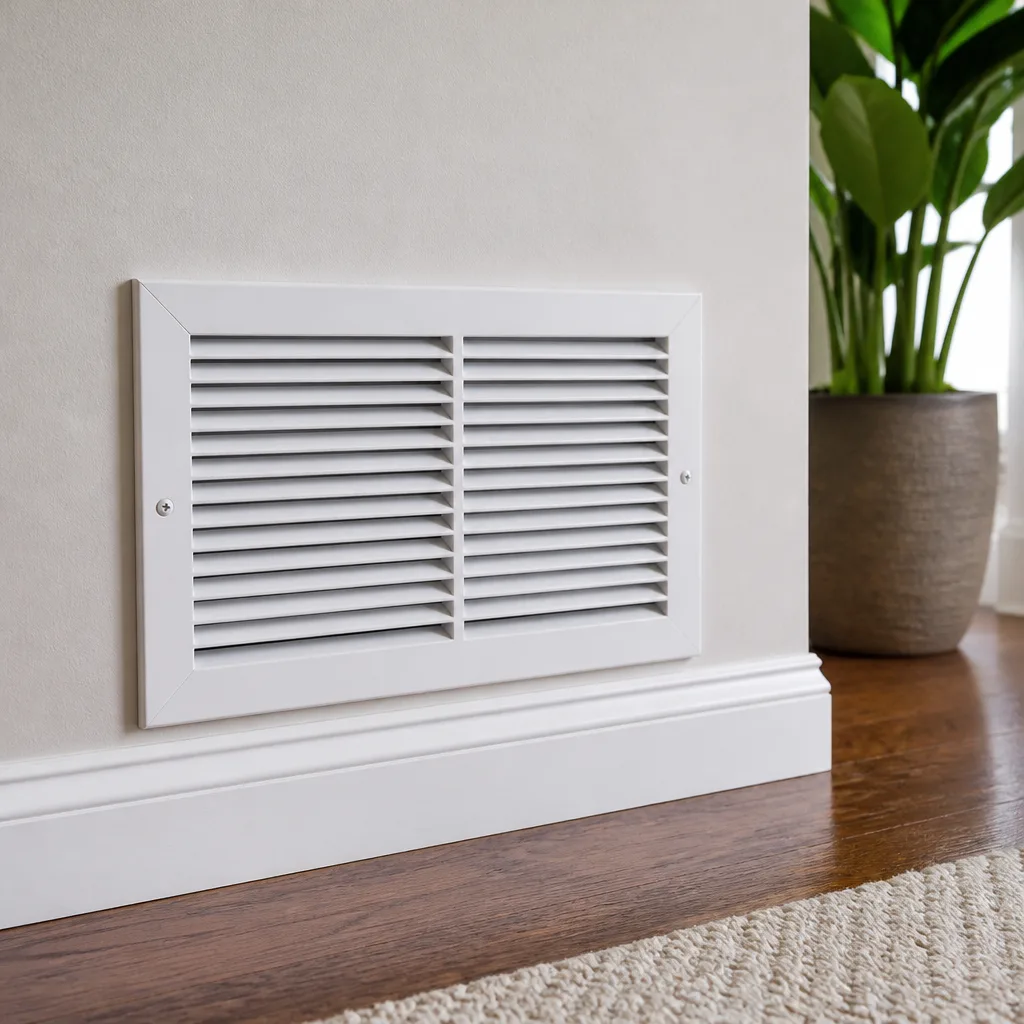 Sanitizing & deodorizing
Whole-system duct and dryer vent check with before-and-after photos - you see exactly what came out of your vents
That "$99 whole-house special" is a bait ad - the real number appears once they are in your hallway, or the "clean" is a shop-vac at the register. We photograph the inside of your ducts before and after instead.
Air Duct Cleaning Troubleshooting in Westminster: Common Problems and How to Fix Them
If your ducts were just cleaned and you’re still finding dust on the vent covers two weeks later, the cleaning company probably isn’t the problem. In most cases we diagnose, the dust is coming back in through an unsealed breach somewhere in the duct run – a gap at a joint, a disconnected collar, a split in flex duct – that’s pulling attic or crawl space particulate straight into your supply air every time the system runs. That single distinction, between a cleaning failure and a duct integrity failure, is what this guide is built around. We’ll walk you through the symptoms a technician reads in a Westminster home, how to tell them apart, and exactly what to check and photograph before you call anyone back.
Quick Answer
Dust returning after a duct cleaning in Westminster almost always traces to one of three root causes: an unsealed breach or disconnected duct joint pulling in outside particulate, a concealed microbial source like a wet drain pan or soiled coil that a vacuum never reaches, or a collapsed or disconnected flex run that cuts airflow to part of the house. A genuine cleaning failure is much less common. The fix is diagnosis of the duct system as a whole, not another round of vacuuming the same runs.
Styles & brands we work with
- Whole-home duct cleaning
- Dryer vent cleaning
- Camera inspection
- Sanitizing & deodorizing
Table of Contents
- Why are your ducts still dusty after cleaning?
- How do you tell a cleaning failure from a duct integrity failure?
- What does a musty odor after cleaning actually mean?
- Why is one room still cold or hot after the ducts were cleaned?
- What Westminster conditions speed up duct joint failure?
- The homeowner inspection checklist: what to look at and photograph
- What equipment should a real duct inspection involve?
- When is duct repair and sealing the actual fix?
Why are your ducts still dusty after cleaning?
Dust comes back after a cleaning because the system is being re-contaminated by a source the cleaning couldn’t reach or didn’t address – most often an unsealed return or supply joint that sits inside an attic, crawl space, or wall cavity. Negative pressure inside a running duct system works like a straw. Any gap in the duct skin pulls unconditioned air from wherever that gap sits, and that air carries insulation fibers, drywall dust, soil particulate, and whatever else lives in that cavity directly into your living space. Cleaning the interior of the ducts does nothing to stop that straw from working.
There’s a second pattern we see in Westminster: contaminated components that aren’t technically part of the duct run. The supply and return registers, the air handler cabinet, the blower wheel, and the evaporator coil all collect dust and biological film. A service that cleans the ducts but leaves the coil and blower untouched has cleaned the easy half of the system. Dust that keeps appearing at a vent without a visible breach often points back to the air handler.
Here’s the test a technician runs first. With the system running, hold a tissue or a smoke pencil near the seams of a supply register boot, then near the return grille frame. If the tissue flutters outward at a supply seam, that seam is leaking supply air into the wall rather than into the room. If it pulls toward a return seam near an attic or crawl space boundary, that seam is drawing contaminated air in. Both are duct integrity problems, and both get solved with sealing, not another cleaning.
- Dust concentrated at one or two vents: usually a local breach or a disconnected run feeding those rooms.
- Dust evenly across every surface in the house: often the air handler, coil, or blower, or a source outside the duct system entirely.
- Dust that appears within days of cleaning: almost always active re-contamination through a gap.
- Dust with visible fiber strands: strongly suggests attic insulation being pulled through a breach.
If you’ve just moved into a Westminster home and the previous owner had the ducts cleaned, the paperwork rarely tells you what the company actually did. Our air duct cleaning work always starts by tracing the system and photographing the runs before anyone touches a vacuum.
How do you tell a cleaning failure from a duct integrity failure?
You can separate a cleaning failure from an integrity failure by feel and by eye: a cleaning failure leaves uniform residue inside the ducts with normal airflow at every register, while an integrity failure shows up as a weak register, a seam that moves air, or visible dust trails at one specific joint. The distinction matters because they need completely different fixes. No amount of re-cleaning seals a gap, and no amount of sealing removes soil that’s already sitting on the duct floor.
Start at the register and work backward. A technician reads the system in this order:
- Feel the airflow at every supply register. Even, steady airflow across all rooms suggests the ducts themselves are intact. A noticeably weak register points to a disconnected or crushed run serving that room.
- Compare return airflow. A return that’s weaker than the supplies, or that whistles, suggests a restriction or a separated return duct.
- Look at the register boot and the visible duct beyond it. A flashlight and a phone camera here reveal dust trails streaking from a specific joint, which is where the leak lives.
- Check the accessible duct in the attic or crawl space. Flex duct that’s sagging, kinked, torn, or pulled off its collar is a common and repairable failure. Collars that have lost their seal are just as common.
- Check the air handler cabinet seams. Cabinet leaks pull unfiltered air straight into the blower, which then distributes it through the whole house.
In our experience across Westminster homes, item four catches the most problems. Flex duct is lightweight and easy to install, and it’s also the part of a duct system most likely to separate at a collar over time. When we find a disconnected run, we repair and reseal it as part of the same visit, because reconnecting the duct is the only thing that stops the dust.
What does a musty odor after cleaning actually mean?
A musty odor that persists after a duct cleaning almost always signals residual microbial growth somewhere the vacuum couldn’t reach – typically the evaporator coil, a drain pan holding standing water, or wet fiberglass liner inside the air handler – rather than a problem with the sanitizer itself. This is the single most misdiagnosed complaint in the trade. Homeowners often ask for a stronger sanitizer, but sanitizer sprayed over a wet drain pan or a soiled coil is a bandage. The moisture source has to be found and corrected first.
Microbial growth needs three things: moisture, organic dust, and time. In a Westminster home, moisture in the air handler comes from a few predictable places:
- A clogged or sloped-wrong condensate drain line that lets water back up into the drain pan.
- A dirty evaporator coil that stays wet between cycles because dust holds moisture against the fins.
- Insulation liner inside the air handler that has absorbed water and stayed damp.
- Duct runs in a humid crawl space that pull damp air inward through gaps.
The right sequence is to locate the moisture source, correct it, clean and dry the affected components, and then apply an air quality treatment with the correct product for the surface. We use Aprilaire-grade and Honeywell-grade products for air quality and sanitizing work because they’re formulated for HVAC surfaces, not for general-purpose spraying. A sanitizer applied after the moisture is under control does its job; a sanitizer applied before it is wasted money.
If the odor is sharper and more chemical than musty, that’s a different problem. It often points to a failed component, an off-gassing material, or a backdrafting appliance, and it deserves a technician visit rather than a cleaning. We can walk you through the difference on the phone. Call (833) 736-5689 and describe what you’re smelling.
Why is one room still cold or hot after the ducts were cleaned?
Uneven room temperatures after a cleaning almost never mean the cleaning was poor. They usually point to a duct problem the cleaning uncovered – a damper stuck closed, a run disconnected from its trunk, crushed flex duct, or a register boot that was never properly connected in the first place. Cleaning changes the interior surface of the ducts, not the geometry of the airflow. If a room wasn’t getting enough air before, it won’t get more after unless the delivery problem is fixed.
Airflow is a balance. Every duct run has a designed capacity, and the system was balanced when it was installed. Over time, three things typically drift:
- Dampers get moved and never reset. A balancing damper near the trunk is sometimes adjusted for one season and left in the wrong position. A technician can check damper position on the accessible runs.
- Flex duct gets crushed or kinked. A run that’s compressed behind a joist or pinched at a bend delivers a fraction of the air it should. The room stays cold in winter and hot in summer for a reason that has nothing to do with dust.
- A branch disconnects from the trunk. An unnoticed separation at the takeoff leaves that whole room starved of supply air while the rest of the house stays comfortable. It’s easy to miss during a visual check because it’s usually inside a cavity.
The fastest way to confirm this is with a register-to-register airflow comparison. If one register feels weak while the rest are strong, that’s a duct delivery problem, and it gets found and fixed during a proper HVAC assessment. Our HVAC cleaning and inspection work includes checking the accessible runs for exactly these failures.
What Westminster conditions speed up duct joint failure?
Westminster’s clay soils and its wide daily and seasonal temperature swings are two of the most aggressive forces acting on a duct system, and together they accelerate the joint failures that cause re-contamination. Clay soil expands and contracts with moisture, and that movement travels into the foundation and the structure above it. Duct runs that pass through framed cavities in a shifting structure get flexed at their joints cycle after cycle. Meanwhile, the temperature swings – which can be dramatic between a cold night and a warm afternoon – cause metal duct and framing to expand and contract at different rates, which works the seams and collars loose over time.
What this means practically for a Westminster homeowner:
- Joints in the attic and crawl space are the most stressed and the most likely to open up, because they’re exposed to the full swing.
- Runs that cross the foundation wall are vulnerable to the same soil movement, and often fail at the transition.
- Homes on clay-heavy lots tend to show more joint failure than homes on sandy or rocky ground.
- Homes built before flex duct became standard often have rigid metal runs with taped or mastic’d seams that have dried out and split.
A properly sealed duct system handles that movement. An unsealed one develops gaps, and every gap becomes a dust entry point. That’s why we treat duct repair and sealing as a core part of the work, not a separate upsell. If your ducts were cleaned recently and dust has already returned, the climate and the soil aren’t the cause of the problem – they’re the reason the gap exists – and sealing is the fix.
The homeowner inspection checklist: what to look at and photograph
Before calling anyone back, the most useful thing you can do is gather a specific set of photos and notes. A technician can diagnose a system far faster when they know which registers are weak, which joints are suspect, and what the dust looks like. Here’s the checklist we ask Westminster homeowners to work through – any part of it you can complete will make the visit more productive. None of this requires opening the air handler or touching electrical components; keep your inspection to what’s visible and reachable.
- Photograph each supply register from a foot away with the grille in place, then a second photo with the grille removed (if it lifts off easily) showing the duct opening beyond it. Note any register where you see visible dust accumulation.
- Photograph the return grille the same way. Note whether the filter is dirty, clogged, or missing.
- Feel the airflow at every register and write down which are strong, which are weak, and which are in between. A tissue held at the register gives a consistent read.
- If you have safe, walkable access to the attic or crawl space, look at the visible duct runs. Photograph any flex duct that’s sagging, kinked, torn, disconnected, or hanging loose. Do not move or rearrange anything; just look and photograph.
- Note the timing of the symptom. Does the dust appear after the heat runs? After the AC runs? Constantly? Does the musty smell get stronger in one season?
- Write down what was cleaned. Which components did the last service clean – ducts, coil, blower, air handler cabinet, registers? A written scope or invoice answers this better than memory.
- Note the weather and time of day when the symptom is worst. A dust pattern that pings with dry, windy weather often points to a breach, not the ducts.
Send those photos and notes to the technician before the visit. A five-minute photo review often saves a lot of diagnostic time, and in our case it lets us arrive with the right equipment for the job. Westminster Air Duct Cleaning Pros can review your notes over the phone. Call (833) 736-5689.
What equipment should a real duct inspection involve?
A proper duct inspection and cleaning uses professional-grade equipment that maintains controlled, negative pressure air throughout the process – not a shop vacuum and a hand brush. The difference matters for diagnosis as much as for cleaning, because the right equipment is what lets a technician see inside the duct run instead of guessing. Here’s how the equipment maps to the job:
- Airflow testing and inspection: a technician uses a tissue, smoke pencil, or a differential pressure gauge at the registers and at the air handler to read the system. A register-to-register airflow comparison and a pressure reading across the air handler tell the story.
- Video inspection: a camera pushed down an accessible run shows the actual condition of the duct interior. A disconnected or collapsed run is obvious on camera and invisible from outside.
- Agitation cleaning: Westminster Air Duct Cleaning Pros uses Rotobrush agitation systems to loosen debris from the duct walls, including the ridges and corners where dust actually settles.
- HEPA extraction: Nikro HEPA vacuum units pull the dislodged debris out under controlled negative pressure rather than blowing it through the house.
- Containment and filtration: Abatement Technologies negative-air and filtration technology on every job keeps dislodged contaminants contained and captured, so the cleaning process doesn’t redistribute them.
- Sealing: mastic, mesh, and proper collar repair restore the duct skin after cleaning, so the system doesn’t re-contaminate the moment the vacuum is switched off.
When a company shows up with a shop vacuum and a spinning brush from a hardware store, the equipment can’t hold negative pressure, can’t agitate effectively, and can’t capture what it dislodges. That’s the real reason some low-cost cleanings don’t last – not the effort, the equipment. The equipment is also what makes diagnosis possible, and diagnosis is what determines whether the actual fix is a cleaning or a sealing job.
When is duct repair and sealing the actual fix?
Duct repair and sealing is the actual fix when the symptom is re-contamination, airflow loss, or pressure imbalance caused by a physical breach in the duct system – and in our experience across Westminster, that’s the majority of “still dusty after cleaning” calls. Cleaning restores the interior surface. Sealing restores the boundary between the duct air and the outside air. If the boundary is breached, cleaning alone is incomplete work. Here’s how we diagnose whether sealing is the right fix:
- Register-by-register airflow comparison. A weak or inconsistent register points to a specific run problem.
- Visual inspection of the accessible runs. Sagging, kinked, torn, or disconnected flex duct gets photographed and mapped.
- Airflow and pressure testing at the air handler. An air handler pulling more than its design airflow suggests a return-side breach or an oversized return gap.
- Dust trail inspection at every joint. Streaks of dust at a seam are the most direct evidence of a leak, and they tell us exactly where to seal.
- Sealing and re-testing. Mastic and mesh at seams, collar repairs, and proper reconnection restore the duct skin, and airflow is re-tested afterward to confirm the fix.
Sealing is also the honest answer when a homeowner asks whether to clean the ducts and seal them at the same time. If the ducts have never been properly sealed and there’s evidence of leakage, the right sequence is to seal first, then clean, then re-test. Cleaning first and sealing later leaves the duct interior exposed to re-contamination in between. Across Westminster homes, we plan the sequence around that ordering.
One more service the repair conversation often uncovers is the dryer vent. A dryer vent is a duct run like any other, and a crushed or clogged one is a serious fire risk, not a clogged appliance. Our dryer vent cleaning service is a dedicated part of the specialty, not an add-on. If your ducts have integrity problems, the dryer vent is worth checking on the same visit.
Common Mistakes to Avoid
- Assuming the cleaning company failed. Re-contamination from a breach is far more common than a poor cleaning. Call the company back and ask for a register-by-register airflow comparison before assuming the work was done wrong.
- Asking for another cleaning before sealing is addressed. If the ducts are leaking, another cleaning just gets re-contaminated. Diagnose the breach first, then clean.
- Ignoring the air handler. A clean duct run upstream of a dirty coil and blower still delivers dust to the house. Ask what the last service cleaned and whether the coil and blower were part of the scope.
- Treating odors with sanitizer alone. A musty smell after cleaning means moisture is present somewhere. Sanitizer over a wet drain pan won’t fix it, and the moisture source needs to be located.
- Skipping the photos. A technician can diagnose faster with photos and notes than without. A quick walkthrough with your phone is worth a lot of back-and-forth.
- Sealing over a wet duct system. Sealing a duct that’s still wet traps moisture and makes the microbial problem worse. Dry first, seal second.
- Letting the dryer vent go unexamined. It’s a duct, and it fails the same way a supply run does. A crushed or clogged dryer vent is a fire risk that’s easy to catch on the same visit.
See the difference
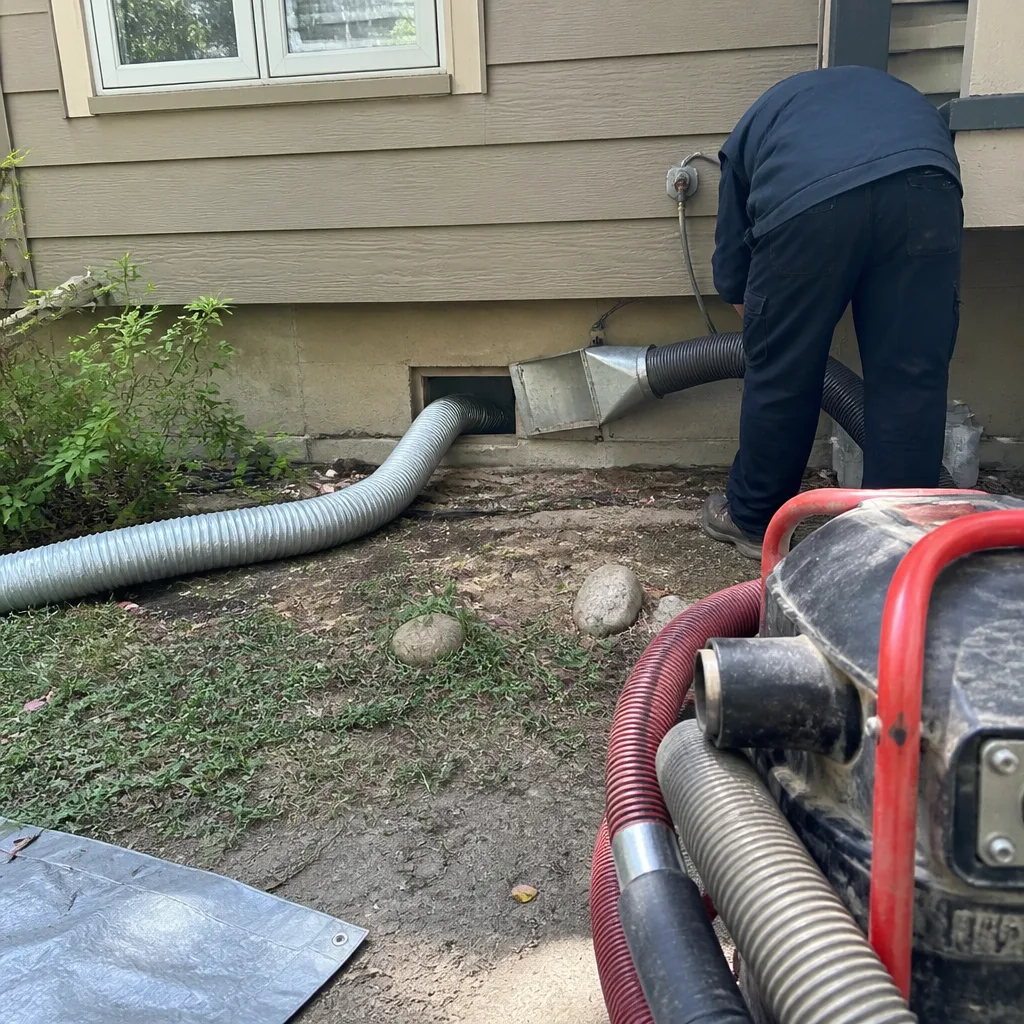 Before
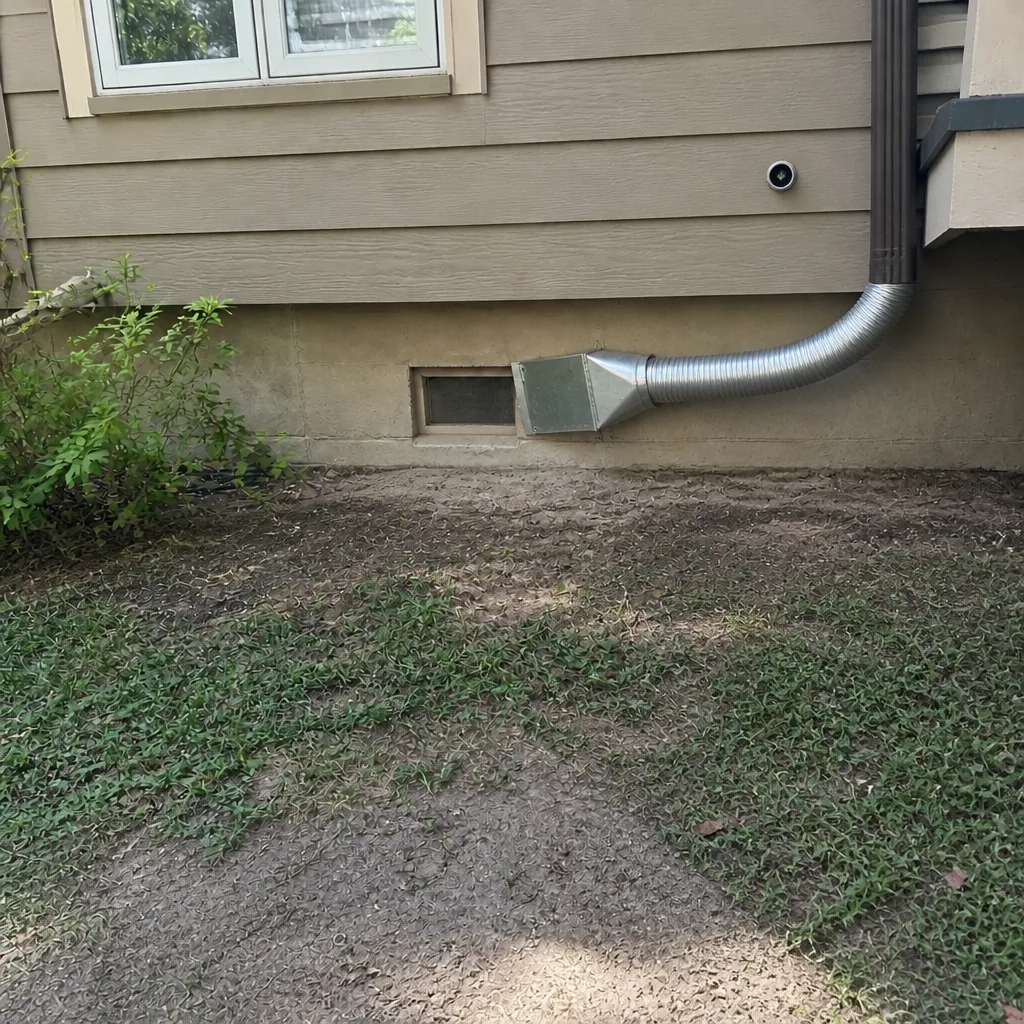 After
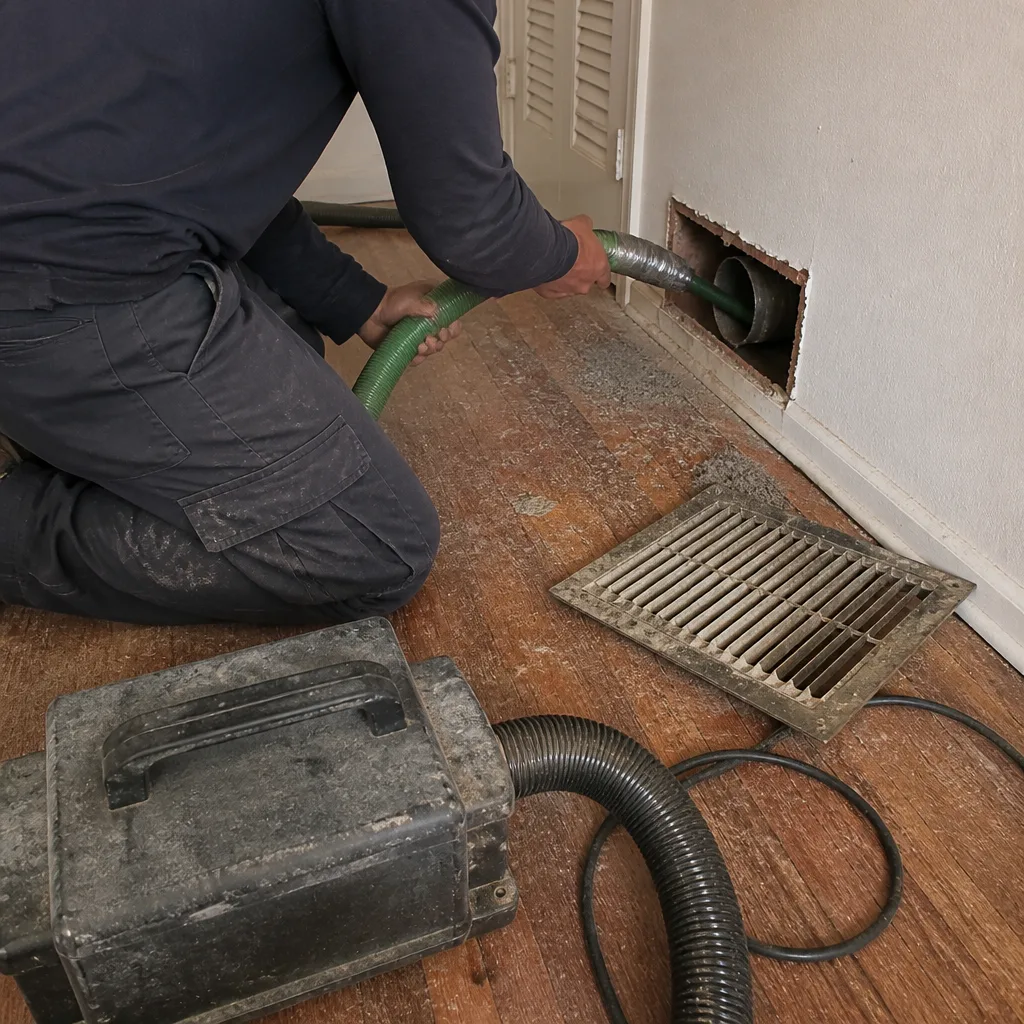 Before
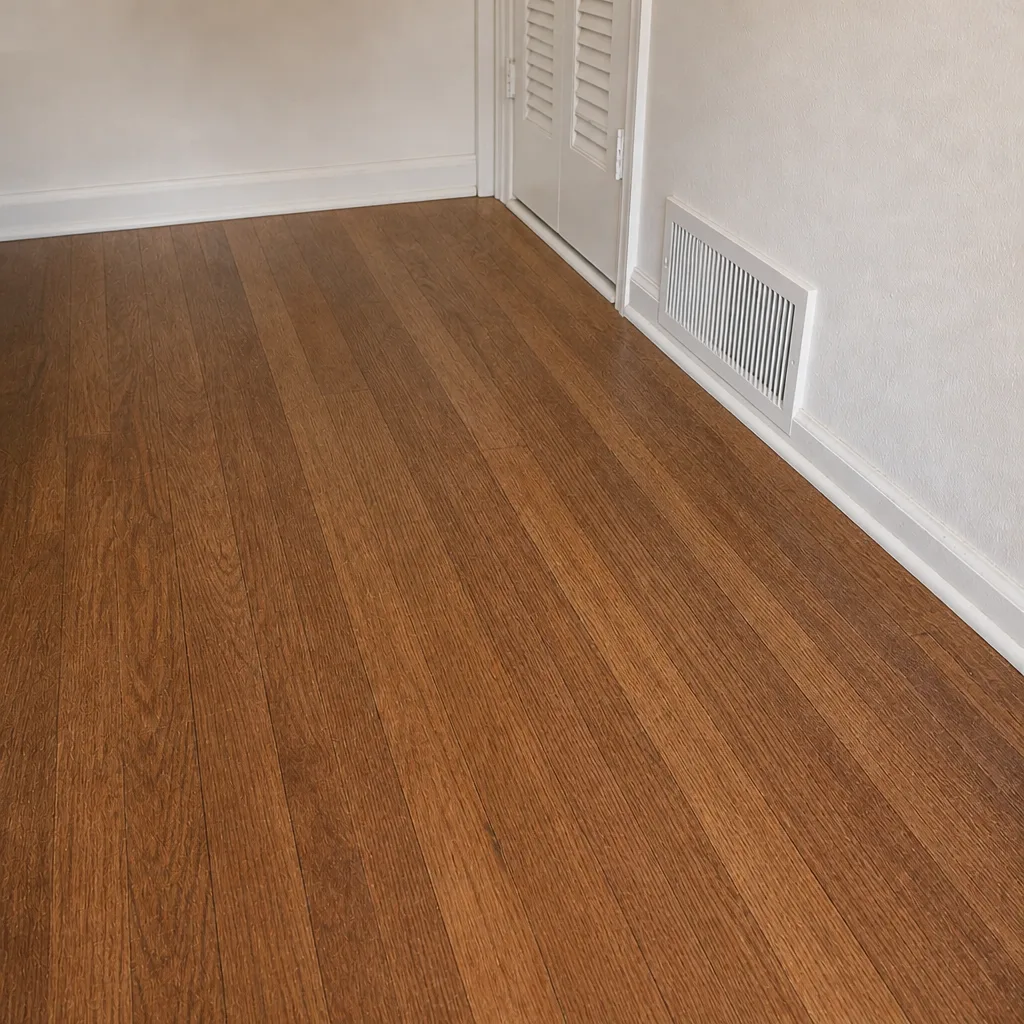 After
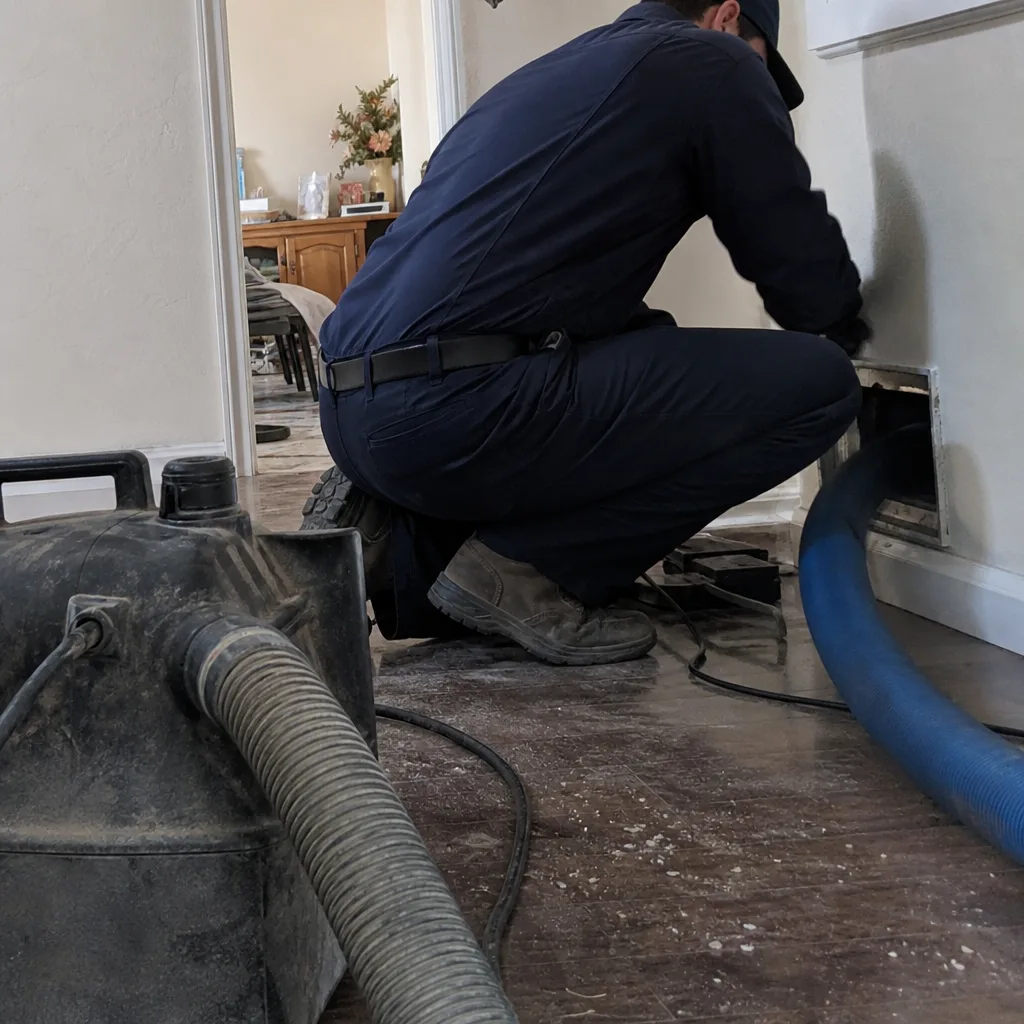 Before
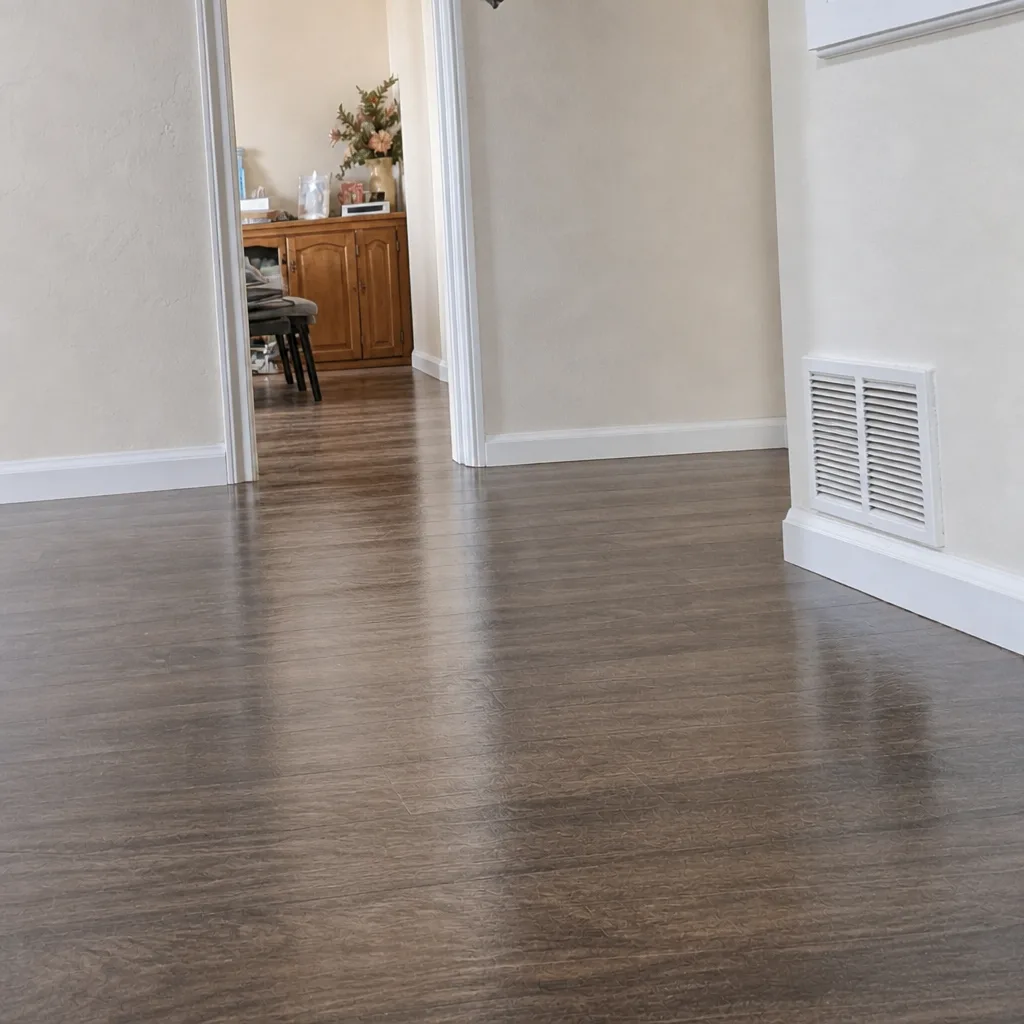 After
When to Call a Professional
Call a professional when the symptoms are persistent re-contamination, weak airflow at one or more registers, a musty odor that returns, or visible flex duct damage in the attic or crawl space – and when you’ve done a walkthrough and have photos ready. These are the cases where a technician’s inspection genuinely finds the cause, and where a sealing or repair job resolves it. They’re also the cases where the wrong move (another round of cleaning, or a stronger sanitizer) wastes money without fixing the problem.
We handle the full system in a single visit, from cleaning to sealing to air quality treatment, so the diagnosis and the fix don’t sit with separate contractors. Our technicians have up to 15 years of experience diagnosing and correcting Westminster duct systems, and Westminster Air Duct Cleaning Pros offers free estimates in Westminster – call (833) 736-5689. We answer 24/7. Fast dispatch from 7am to 7pm, Sunday through Friday. The written estimate sets the price before any work starts.
Frequently Asked Questions
Dust returning after a cleaning almost always comes from an unsealed gap or disconnected joint that’s pulling attic, crawl space, or wall-cavity air into the duct system. Cleaning the interior doesn’t seal the outside, so the same particulate enters every time the system runs. The fix is a register-by-register airflow check and a visual inspection for the breach, usually followed by duct repair and sealing rather than another cleaning. Call (833) 736-5689 to schedule a diagnosis.
You know a cleaning was done properly when the scope included the air handler, coil, blower, registers, and ducts, when the company used containment and HEPA extraction, and when the work was documented with before-and-after photos of your own system. If you weren’t given a written scope or photos, ask for them. A company that can produce both can show you exactly what was done. Call (833) 736-5689 if you’d like us to review what you have.
A musty smell after cleaning usually points to residual microbial growth in a component the vacuum couldn’t reach – most often a wet evaporator coil, a drain pan with standing water, or damp insulation inside the air handler. Sanitizer alone doesn’t fix it, because the moisture source has to be corrected first. Locate and correct the moisture, dry the surfaces, then treat with the right air quality products. Call (833) 736-5689 and describe the smell for a quick read on which case you’re in.
A single cold room after a cleaning almost always means a duct delivery problem – a damper stuck closed, a flex run disconnected from its trunk, or a crushed run serving that room. Cleaning doesn’t change how much air reaches a room; only a duct repair does. A register-to-register airflow comparison locates the run, and the fix is typically a reconnection or a damper reset. Call (833) 736-5689 for a free estimate on the diagnosis.
You need duct sealing when there’s evidence of a breach – visible dust trails at a seam, a weak register, or air movement at a joint that shouldn’t be moving air. Cleaning alone restores the interior surface but doesn’t restore the boundary, so the breach keeps re-contaminating the system. In most re-contamination cases we see in Westminster, sealing is the actual fix, with the cleaning planned around it. Call (833) 736-5689 to schedule a walkthrough.
Most Westminster homes benefit from a duct inspection every few years, a cleaning when the system shows evidence it needs one – visible dust after a recent cleaning, musty odor, recent renovation, or a move into a home with unknown duct history – and a dryer vent check on the same schedule. Homes on expansive clay soil, where joint movement is more likely, benefit from a duct integrity check during any cleaning visit. Call (833) 736-5689 for a free estimate.
The Bottom Line
Persistent dust, uneven temperatures, and recurring odors after a cleaning point at specific, diagnosable duct system failures – most often an unsealed breach, a disconnected run, or a moisture source in the air handler – not at the cleaning itself. The right response is a register-by-register airflow comparison, a visual inspection of the accessible runs, and a measurement of pressure at the air handler, followed by the fix that actually addresses the cause. In Westminster, clay soil movement and wide temperature swings make duct joint failure common, so duct repair and sealing are part of the solution, not a separate concern. When the fix is done properly, the dust stays gone.
Westminster Air Duct Cleaning Pros brings professional-grade equipment to every job – Rotobrush agitation, Nikro HEPA extraction, and Abatement Technologies negative-air filtration – and handles the full system from cleaning to sealing to air quality treatment in one visit. Our technicians have up to 15 years of experience. Estimates are free, the price is set per job by the written estimate before work starts, and we document the work with before-and-after photos. Call (833) 736-5689 for a free estimate. We answer 24/7. Fast dispatch from 7am to 7pm, Sunday through Friday.
Written by the team at Westminster Air Duct Cleaning Pros.