
Last updated November 25, 2026
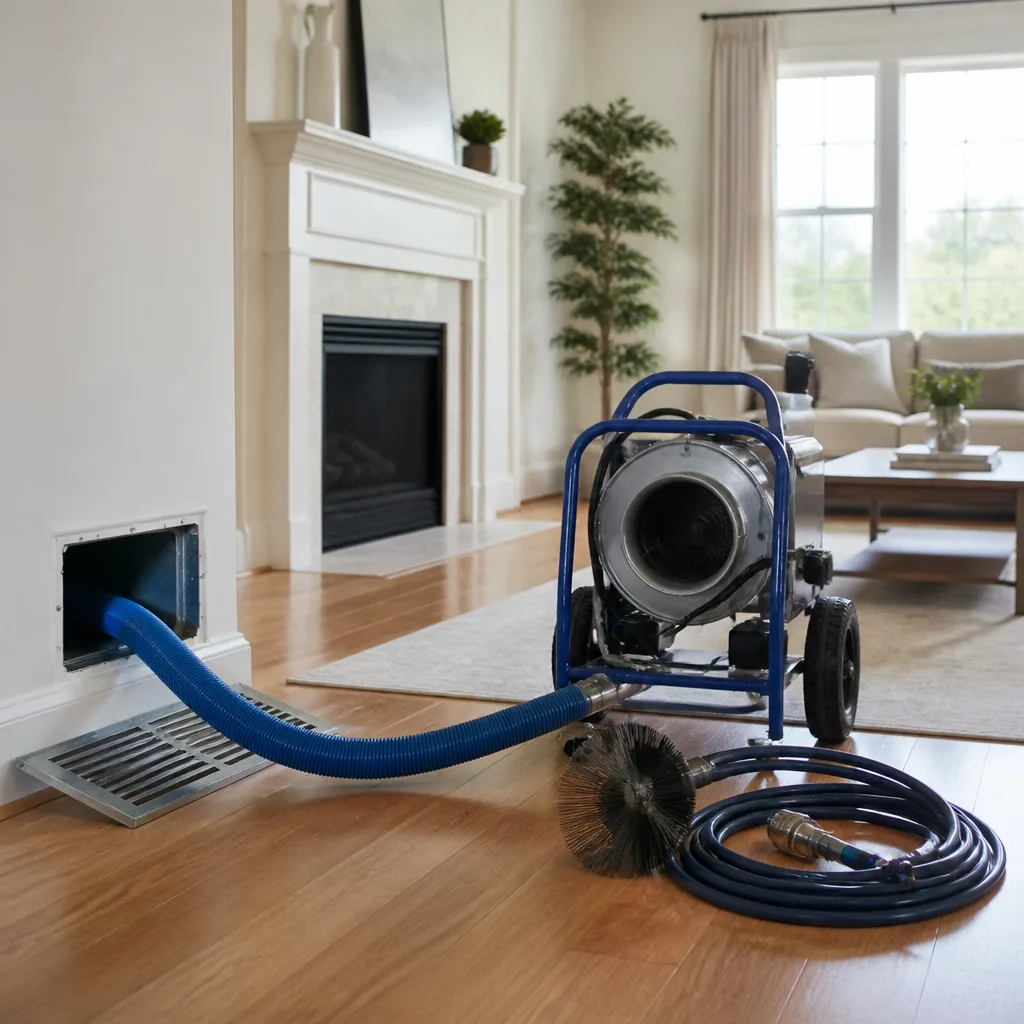 Whole-home duct cleaning
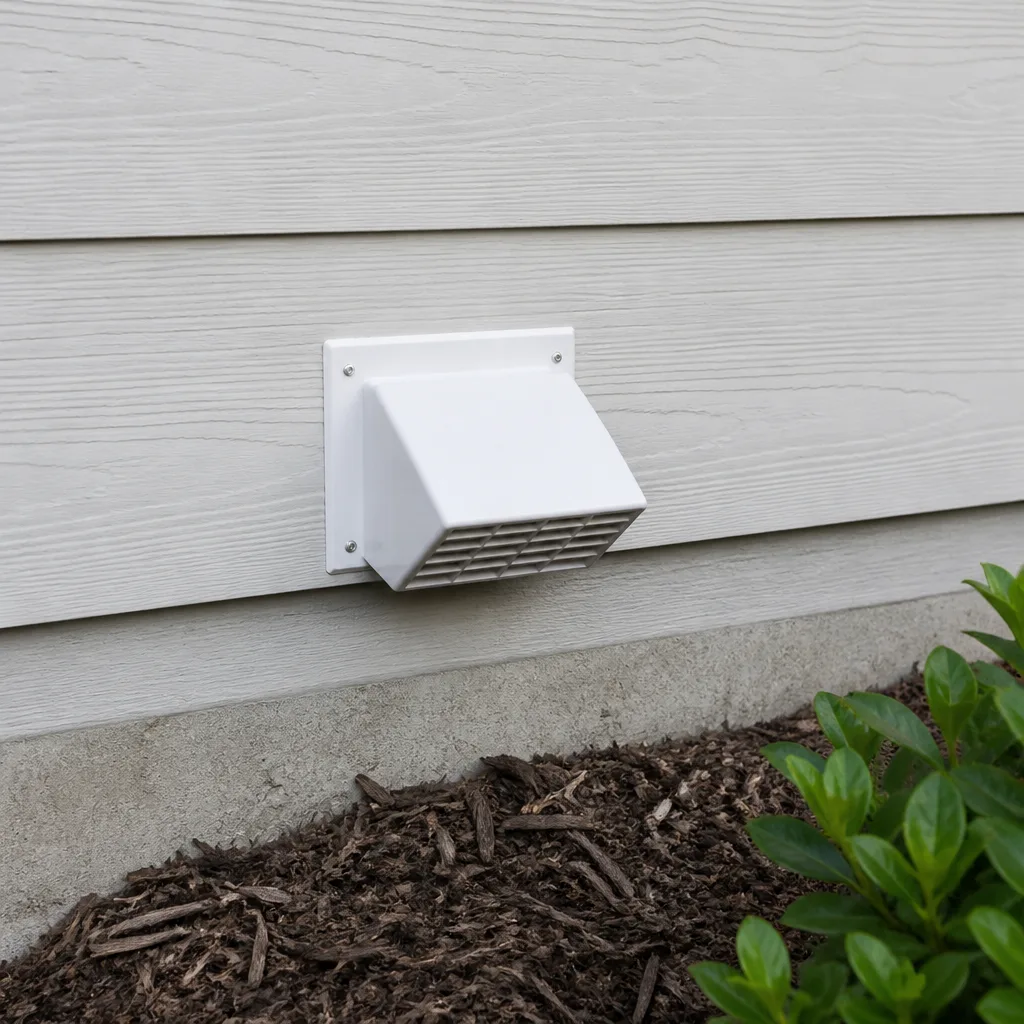 Dryer vent cleaning
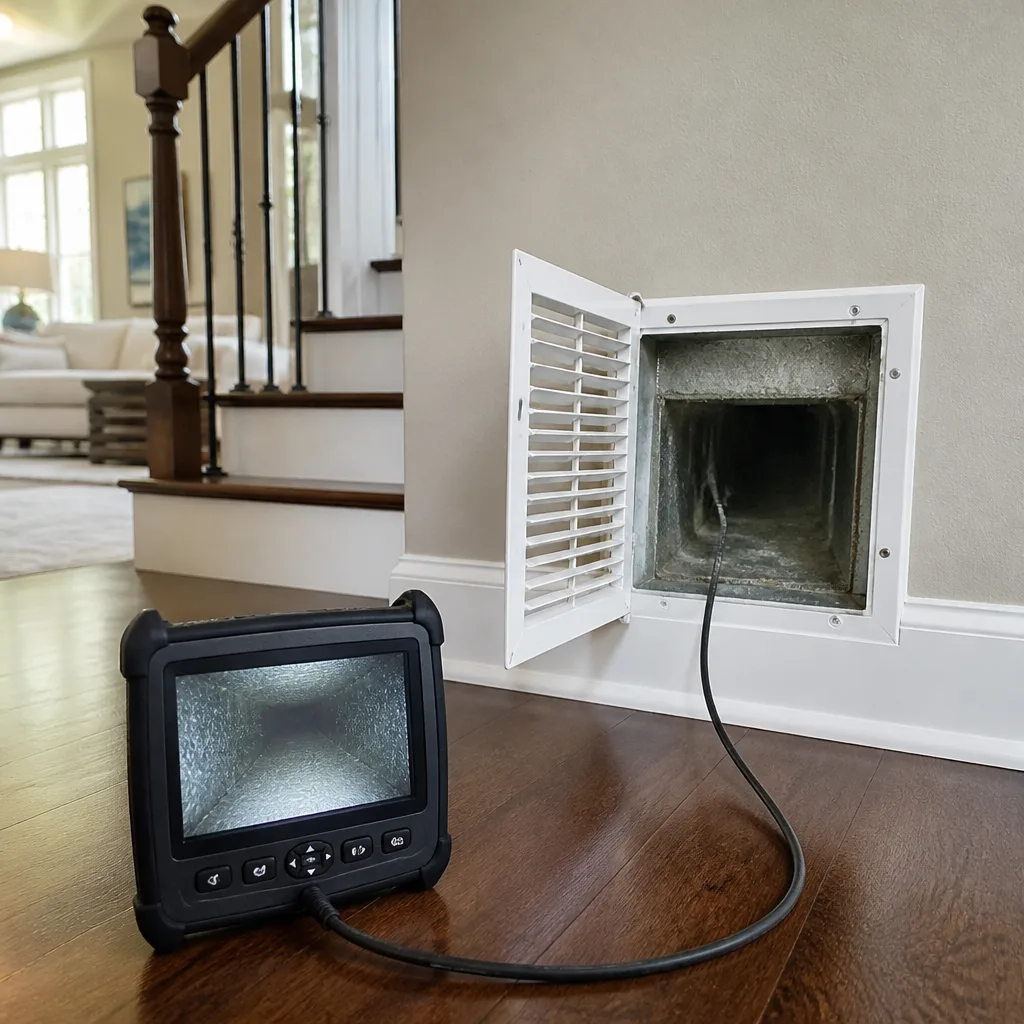 Camera inspection
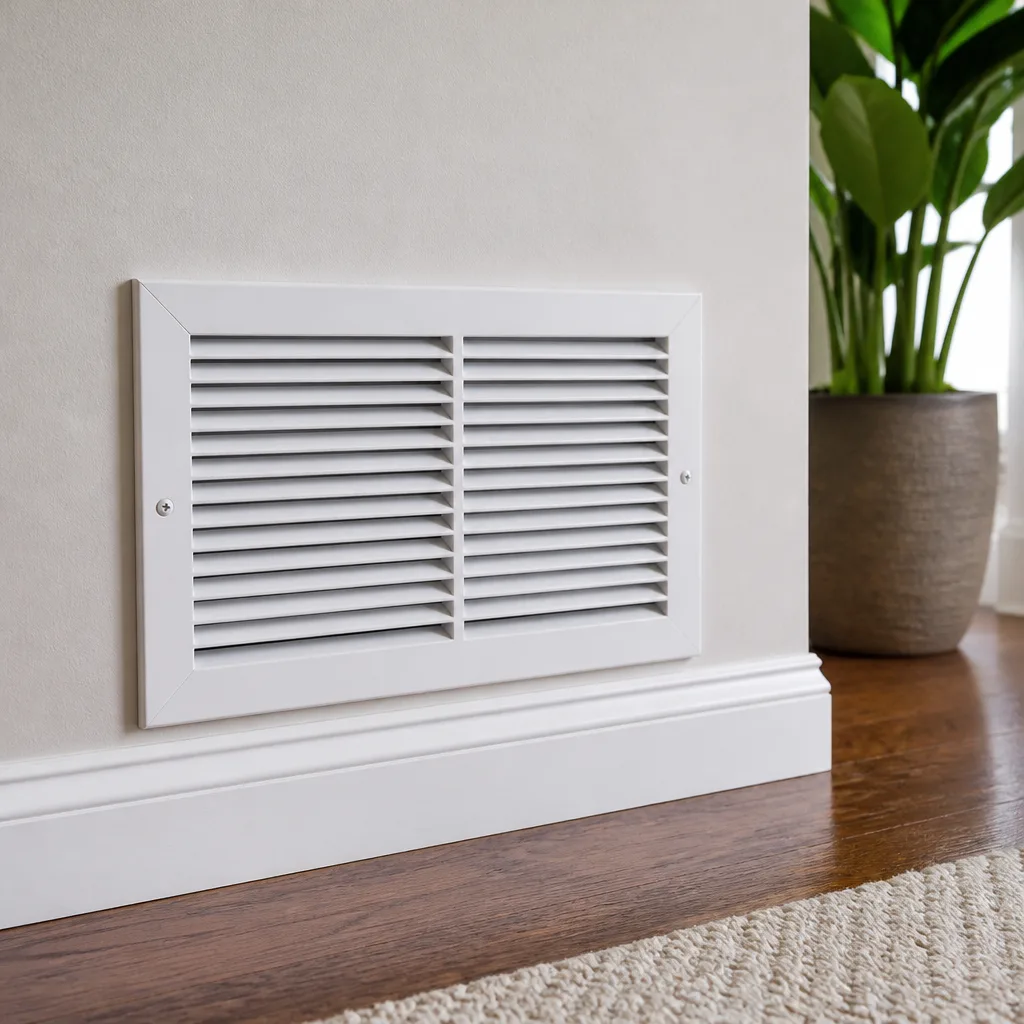 Sanitizing & deodorizing
Whole-system duct and dryer vent check with before-and-after photos - you see exactly what came out of your vents
That "$99 whole-house special" is a bait ad - the real number appears once they are in your hallway, or the "clean" is a shop-vac at the register. We photograph the inside of your ducts before and after instead.
Air Duct Cleaning Permits, Codes & Inspections in Westminster, CO: What You Need to Know
Here’s the part most people don’t expect: routine duct cleaning in Westminster doesn’t require a permit, but the moment a technician starts sealing joints with mastic or foil tape, that repair can cross into regulated mechanical work. Plenty of duct cleaning quotes quietly bundle “sealing” into the visit and never mention a permit. This guide draws the line for you. You’ll learn what Colorado’s adopted mechanical code actually governs, when Westminster’s building department gets involved, who pulls the permit, and why an unpermitted modification can follow a house all the way to closing day. That last point catches more homeowners than any other.
Quick Answer
Cleaning the interior of your air ducts is maintenance and does not require a permit in Westminster. Repairing, sealing, rerouting, or replacing sections of ductwork is mechanical work, and under Colorado’s adoption of the International Mechanical Code it can require a mechanical permit from the City of Westminster before the work begins. Minor maintenance like taping a single accessible joint is usually exempt, but anything that alters the system’s layout, sizing, or airflow generally is not. When in doubt, ask the city’s building department before the truck pulls up.
Styles & brands we work with
- Whole-home duct cleaning
- Dryer vent cleaning
- Camera inspection
- Sanitizing & deodorizing
Table of Contents
- What Colorado’s Mechanical Code Governs Inside Your Ducts
- Where Cleaning Ends and Permit-Ready Repair Begins
- How Westminster’s Permit Process Works
- Why Unpermitted Duct Work Causes Insurance and Resale Problems
- When Remediation-Level Work Adds Regulatory Requirements
- What an Inspection Actually Checks
- How Westminster’s Climate and Housing Shape Duct Problems
- How to Choose a Duct Contractor Who Handles the Paperwork Honestly
What Colorado’s Mechanical Code Governs Inside Your Ducts
Colorado adopts the International Mechanical Code at the state level, and local jurisdictions like Westminster enforce it through their own building departments. The IMC is the model code that governs how mechanical systems are designed, installed, altered, and maintained. For ductwork specifically, it covers how ducts are sized, supported, sealed, insulated, and connected to the air handler. It also sets requirements for fire and smoke dampers, clearances to combustibles, and the return-air pathways that keep a system balanced.
What does that mean for a homeowner in Westminster? It means your ductwork isn’t just sheet metal in the ceiling – it’s a regulated system. When the code is enforced properly, it protects you from three common shortcuts:
- Undersized or crushed flex runs that starve a room of airflow and force the blower to work harder
- Disconnected joints that leak conditioned air into crawlspaces or attics, wasting energy and pulling in dust
- Unsealed or backdrafted connections that can pull combustion byproducts into living space instead of venting them safely
The IMC also governs the transition between ducts and the furnace or air handler – the “plenum” area that carries the highest static pressure in the whole system. A sloppy plenum connection is exactly the kind of thing a permit inspection catches. Routine maintenance cleaning of duct interiors, by contrast, is not “alteration,” which is why it sits outside the permit requirement. The code is aimed at changes to the system, not at the dirt inside it.
Where Cleaning Ends and Permit-Ready Repair Begins
This is the line most companies blur, and it’s the reason we wrote this guide. Here’s a simple way to think about it: if a tool is touching the inside of the duct to remove debris, that’s cleaning. If a tool or material is changing the duct itself, that’s mechanical work.
The table below lays out the threshold clearly. Ranges below come from common practice in the trade, not from a published price book – the written estimate is what sets the final number.
| Task | Usually Permit-Required? | Typical Cost Range |
|---|---|---|
| Cleaning duct interiors | No | Whole-system estimate, per job |
| Sanitizing with an approved product | No | Whole-system estimate, per job |
| Sealing a few accessible joints | No – minor maintenance | Included in estimate |
| Sealing a major run of leaking duct | Often yes | Per estimate |
| Replacing a section of rigid or flex duct | Yes | Per estimate |
| Rerouting ductwork or adding a new branch | Yes | Per estimate |
| Rebuilding a plenum connection | Yes | Per estimate |
Two things tend to trip people up. First, “sealing” is a word that covers a lot of ground. Taping one accessible elbow is minor maintenance. Running sealant along an inaccessible run of duct across an attic or crawlspace is a modification. Second, adding a duct to serve a newly finished basement room isn’t just ductwork – it changes the load on the system, and the permit is what makes sure the change doesn’t leave other rooms unbalanced.
If you’re not sure which side of the line your job sits on, the safest move is a quick call to the city’s building department before work begins. Five minutes on the phone is cheaper than a correction notice. To have the cleaning portion handled first, you can schedule air duct cleaning on its own and let the repair conversation follow.
How Westminster’s Permit Process Works
Westminster’s building department issues mechanical permits through a standard process: application, plan review where needed, permit issuance, then inspection at agreed stages. Who pulls the permit depends on the scope of work. For most mechanical work performed by a contractor, the contractor of record pulls the permit – that’s the licensed professional whose name appears on the inspection record. A homeowner can pull certain permits directly as an owner-builder, but mechanical work has to be performed in accordance with the code, and the owner takes on responsibility for compliance when they do it that way.
Here’s a numbered walk-through of how a permit-required duct job actually goes in Westminster:
- Determine scope. The contractor documents exactly what’s being sealed, replaced, or rerouted.
- Apply with the city. The contractor files the mechanical permit application, usually with a simple drawing of the affected ductwork.
- Plan review, if needed. Small repairs often skip formal plan review; larger alterations get looked at by a plans examiner.
- Permit issued. Work can begin once the permit is in hand, not before.
- Rough-in inspection. The city inspector checks the installation before it’s closed up or connected.
- Final inspection. Once the work is complete, the inspector signs off and the permit record closes.
In practice, the hardest part isn’t the paperwork – it’s getting a contractor to slow down long enough to file it. When a company offers to “just seal it up while we’re there,” ask whether a permit will be pulled. A straight answer that addresses it directly is a good sign. Fumbling the question is your cue to keep shopping. Westminster Air Duct Cleaning Pros can tell you upfront whether the repair scope you’re describing is a permitted job – call (833) 736-5689. We answer 24/7. Fast dispatch from 7am to 7pm, Sunday through Friday.
Why Unpermitted Duct Work Causes Insurance and Resale Problems
An unpermitted duct modification is a paperwork problem that can become a claims problem. Most homeowner insurance policies ask you to disclose material alterations to the home’s systems. If a duct change was done without a permit and later contributes to a loss – say, an improperly sealed plenum that pulls exhaust gas back into the return – a claims adjuster may look closely at whether the work was documented. That’s the worst moment to discover the work wasn’t inspected.
On the resale side, the problem is more common and more concrete. Here’s what routinely comes up during a Westminster home sale:
- Appraisal notes. An appraiser who spots an obvious duct alteration may flag it as needing documentation.
- Home inspection findings. Inspectors note unpermitted mechanical work and recommend a licensed tradesperson review it before closing.
- Title and disclosure issues. Colorado requires sellers to disclose known defects and work done without permits in many forms.
- Buyer renegotiation. A flagged modification often becomes a request for a credit at the closing table.
The fix is almost always simpler than the fear: pull the permit, do the work, get the inspection. It costs less than a renegotiated sale. If you’re preparing to sell a home in Westminster and you inherited ductwork you’re unsure about, the building department can pull the permit history for the address – that’s the fastest way to know whether you have a problem or not.
When Remediation-Level Work Adds Regulatory Requirements
Duct cleaning is routine when the ducts are merely dirty. It’s remediation when there’s contamination that has to be assessed, contained, and disposed of properly. The categories that matter most in a Westminster home are:
- Mold growth inside ducts. Finding visible mold changes the scope. Assessment, containment, and post-remediation verification become part of the job, and the work needs to be more carefully documented than a standard cleaning.
- Smoke or fire residue. Post-fire duct cleaning is remediation because the residue is corrosive and travels through the whole system. This work is usually part of a larger insurance claim.
- Asbestos-adjacent materials. Some older duct systems have wrapped or insulated ducts containing materials that could contain asbestos. We do not disturb suspected asbestos materials; a qualified abatement professional evaluates and handles them first.
- Water intrusion or sewage backup. Ductwork affected by contaminated water is not just dirty – it requires remediation-grade handling of the contaminated material.
The additional requirements in these scenarios aren’t permits from the building department in the way a mechanical permit is. They’re about documentation, containment, and disposal. Remediation-grade work needs to show what was found, what was done, and what was verified afterward – a paper trail that matters for insurance and for future buyers. The tools matter too. Abatement Technologies negative-air filtration and Nikro HEPA vacuum systems are what allow contaminants to be captured instead of redistributed into the living space, and an HVAC cleaning visit handles the contamination that has settled into the air handler itself.
If you suspect any of the above in your ducts, call us before anyone cleans anything. (833) 736-5689. We answer 24/7. Fast dispatch from 7am to 7pm, Sunday through Friday.
What an Inspection Actually Checks
If your Westminster ductwork gets a permit inspection, or if a home inspector is evaluating it during a sale, the checklist is fairly consistent. Here’s what gets looked at:
- Support and connections. Duct sections are connected and supported so they don’t sag or separate over time.
- Sealing at joints and seams. The inspector verifies that joints are sealed rather than relying on tape alone.
- Clearance from combustibles. Ductwork near water heaters, furnaces, and flue pipes must maintain code clearances.
- Dampers and registers. Fire and smoke dampers, if present, must be functional and accessible.
- Return-air path. The return is checked for adequacy – a starved return is a common cause of poor airflow and premature blower wear.
- Airflow and static pressure. On larger alterations, the inspector may verify that the installation matches the submitted plans.
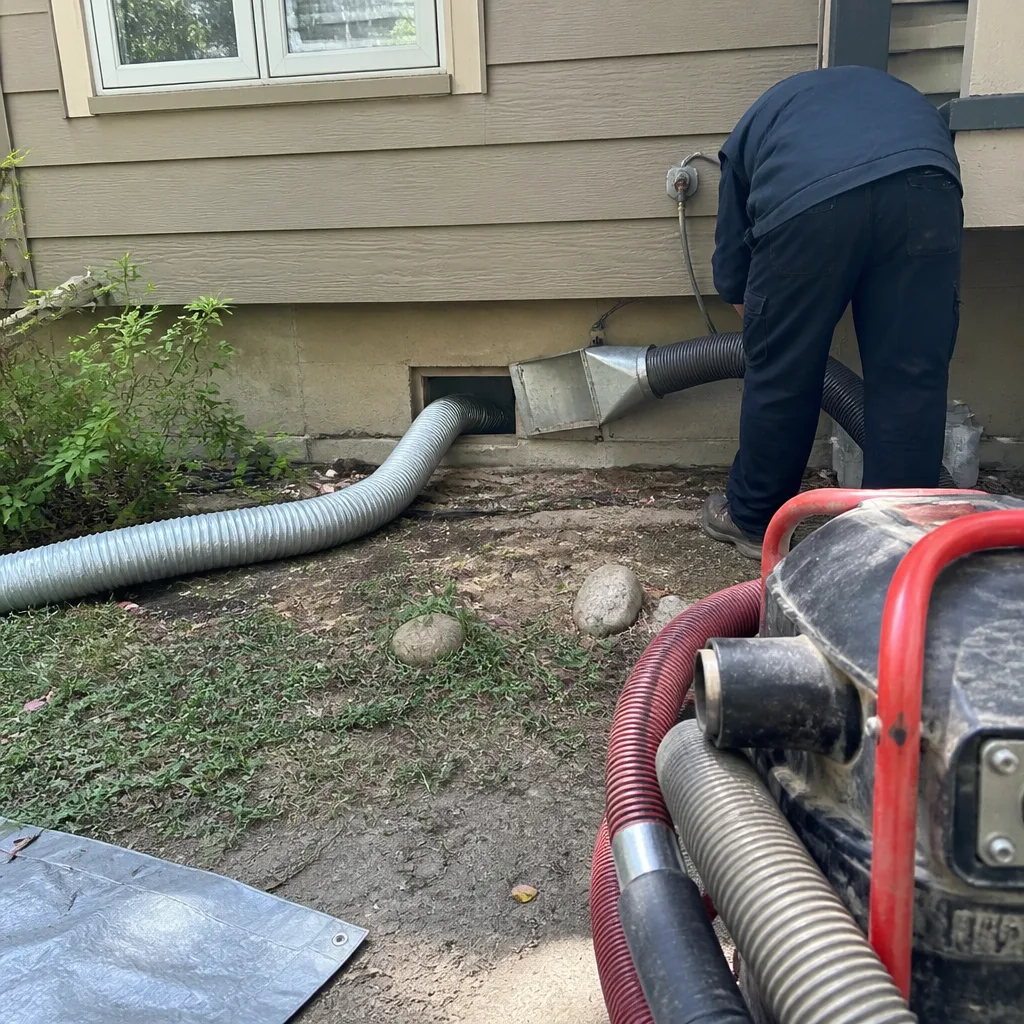
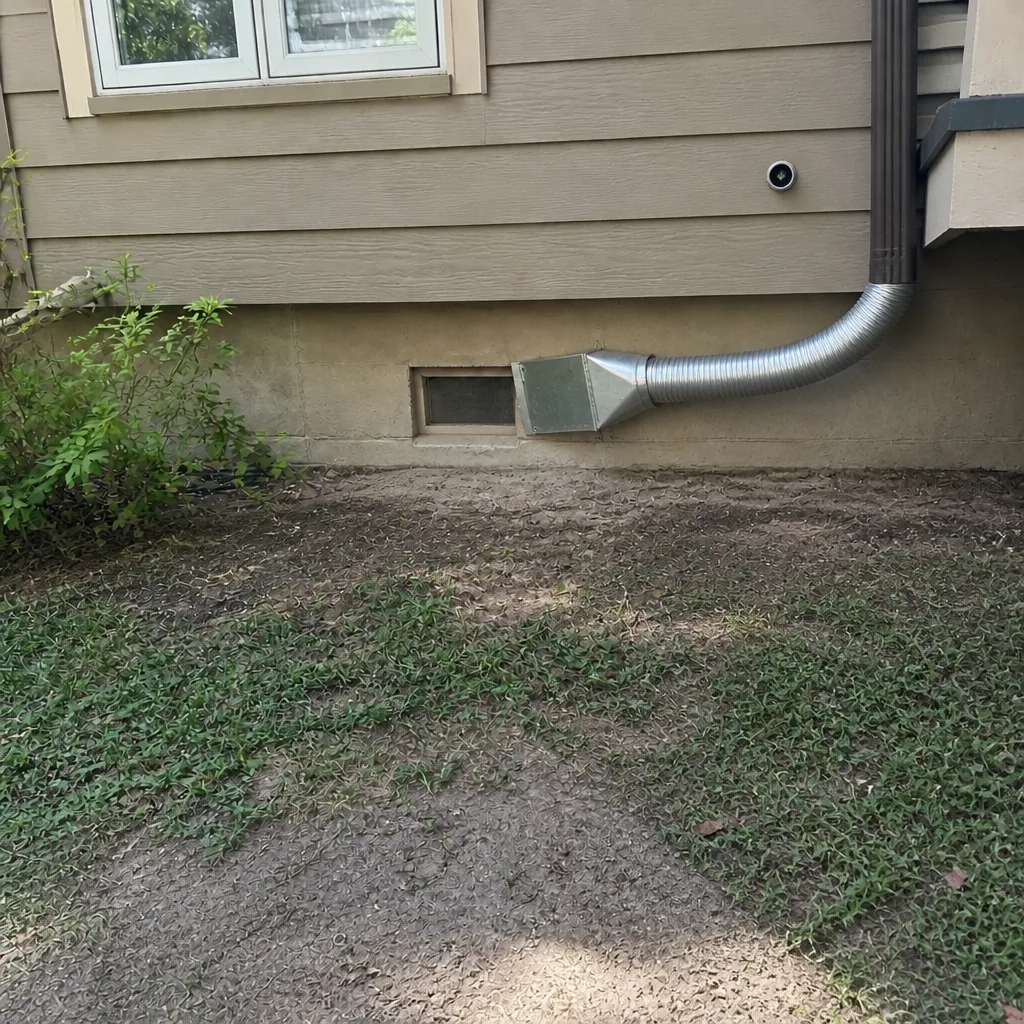
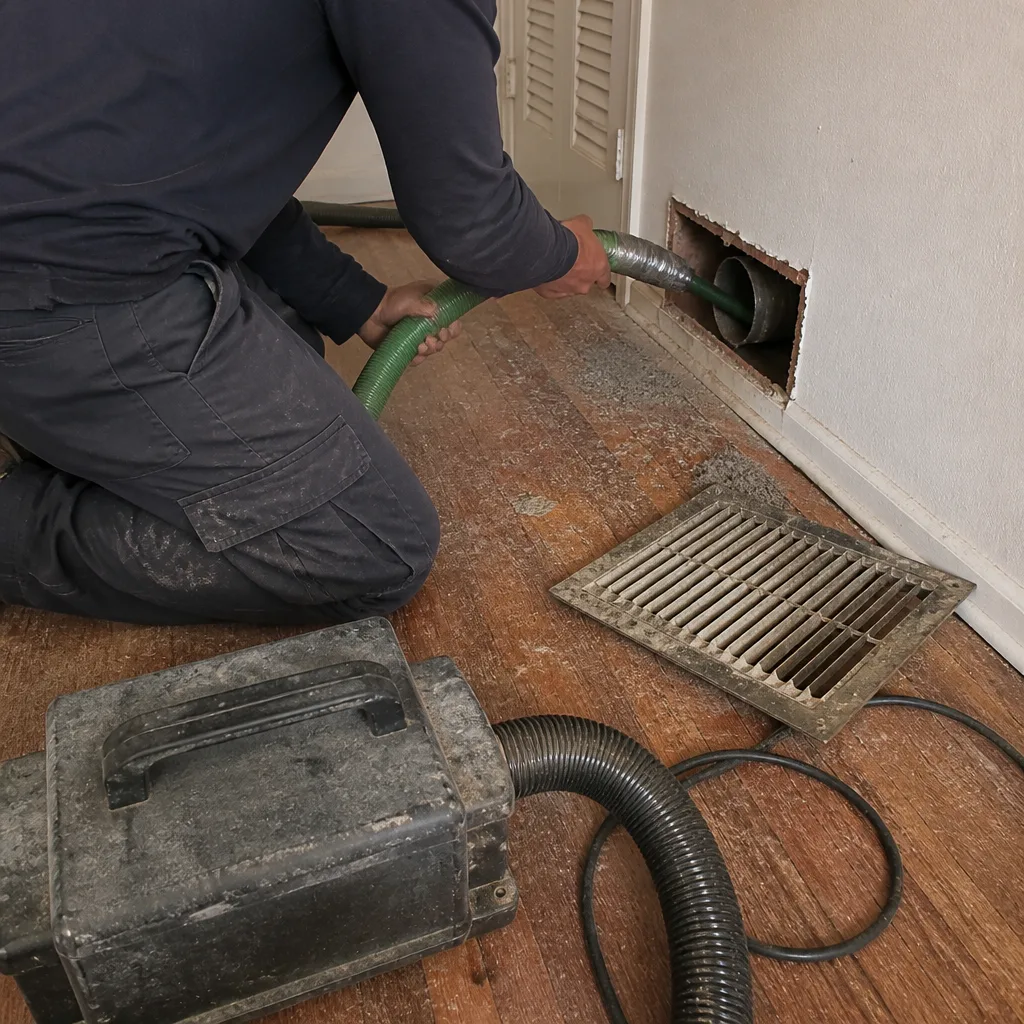
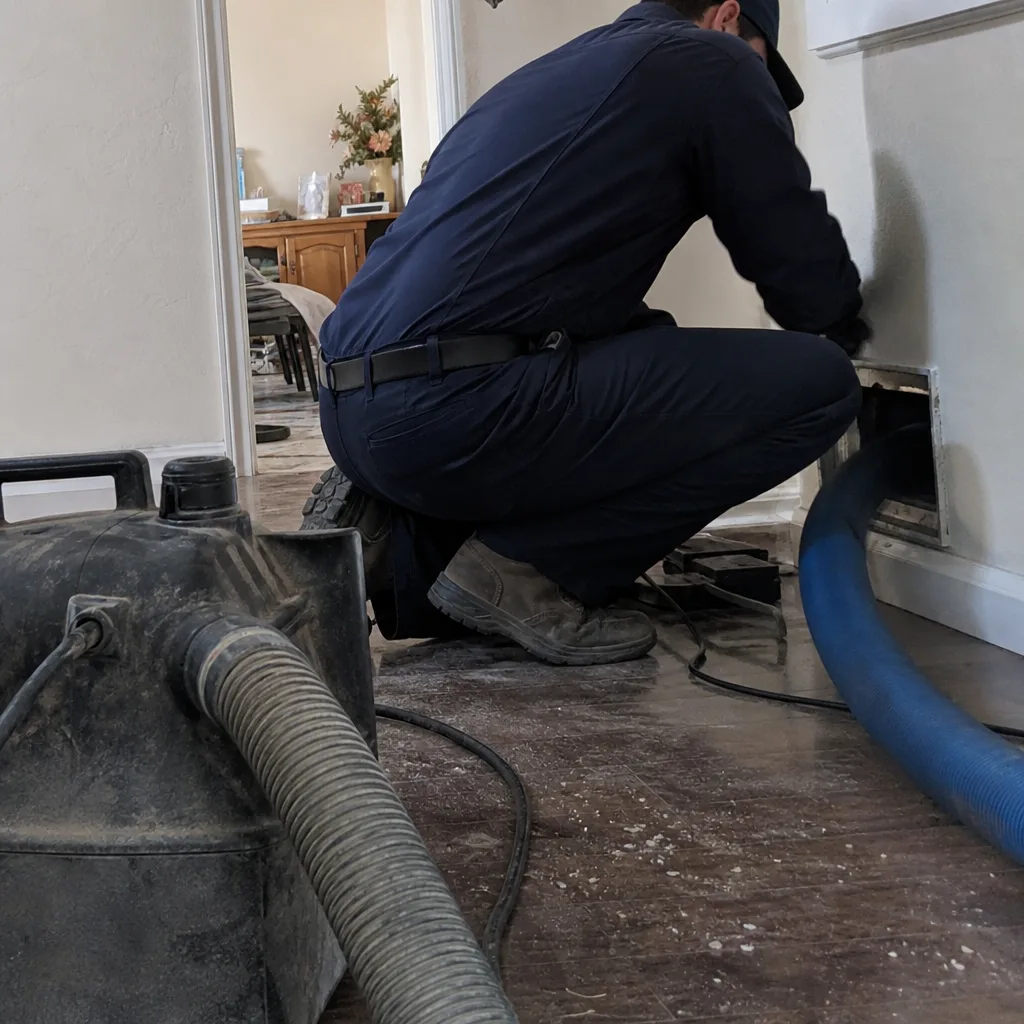
Good duct contractors will show you a similar checklist even when no permit is required. When we finish a cleaning, we show you before-and-after photos of your own ductwork so you can see what changed. That’s not a formality – it’s how you know the work was actually done and not just described.
Inspections are also your chance to catch something that isn’t strictly code-related but does affect comfort: leaks around access panels, dirty insulation around the air handler, or a dryer vent that runs upward and traps lint. That last one is the reason dryer vent cleaning is a service in its own right, separate from duct cleaning. Lint accumulation is a fire-safety concern, and a vent that’s partially blocked needs to be cleared regardless of what the ducts look like.
How Westminster’s Climate and Housing Shape Duct Problems
Westminster sits on the northern edge of the Denver metro, between the foothills and the plains, and the climate leaves its mark on ductwork. The swing between dry summer heat and hard winter cold means the furnace runs hard for months. The region’s high-altitude dry air pulls moisture out of building materials, and older ductwork with insulation that has started to break down accelerates airborne dust. Homes on the western side of Westminster, closer to the foothills, catch more wind-driven dust through attic and crawlspace duct runs that were never sealed properly.
The housing stock matters too. Westminster has a deep base of mid-century ranch and split-level homes, many with original duct systems that have never been sealed or upgraded. Newer construction along the Highway 36 corridor and the Church Ranch area typically has tighter building envelopes, which is good for energy use but makes duct leakage and stale return air more noticeable – because there’s less natural infiltration to dilute it. Finished basements in these neighborhoods, added decades after the original build, sometimes have ducts run in ways that were never designed for the system’s balance.
None of that requires a permit to clean up, but it does mean a Westminster home is a good candidate for a duct integrity check alongside the cleaning. If we find a problem during cleaning, you’ll hear about it in plain terms, with options and a written estimate – not a pitch.
How to Choose a Duct Contractor Who Handles the Paperwork Honestly
The best defense against an unpermitted repair is a contractor who volunteers the answer. Here’s what to look for and what to ask before you book:
- Ask about permits in the first conversation. If the answer is “we’ll see when we get there,” that’s a red flag.
- Ask what equipment they’re bringing. Professional-grade tools like a Rotobrush agitation system and Nikro HEPA vacuum are the baseline for a job that’s done right. A shop vac and a brush isn’t.
- Ask about containment. Every cleaning we do uses Abatement Technologies negative-air filtration so dislodged debris is captured, not redistributed. If your contractor can’t explain how they keep the dirt contained, ask why.
- Ask for a flat, whole-system price. We quote one flat price per system, agreed before work starts. No per-vent pricing, no coupons that balloon once the technician is on site.
- Ask whether they offer repair. A company that only cleans can’t fix the leaks it finds. Full-system work – cleaning, sealing, and air quality treatment – is one call.
- Ask about the post-cleaning report. You should receive before-and-after photos of your own ducts. Period.
Westminster Air Duct Cleaning Pros exists to be the answer to all six of those questions. Our technicians have up to 15 years of experience, and the equipment we bring – Rotobrush, Nikro, Abatement Technologies – is the same grade used on remediation-level projects, not a hardware-store kit. When the scope of a repair crosses into permit-ready territory, we’ll tell you so up front. Have a look at Westminster Air Duct Cleaning Pros to see the full service range, then call. (833) 736-5689. We answer 24/7. Fast dispatch from 7am to 7pm, Sunday through Friday.
Common Mistakes to Avoid
- Letting a cleaner seal ducts without asking about a permit. A “we’ll just tape it while we’re here” offer can create a code violation that surfaces at resale. Ask first, in writing.
- Assuming cleaning equals remediation. Visible mold, smoke residue, or contaminated water changes the job entirely. A standard cleaning is not a substitute for remediation.
- Pulling the permit yourself when a contractor should. In most mechanical work, the contractor of record pulls the permit. Owner-builder permits are possible but shift responsibility onto you.
- Not keeping documentation. Save the permit number, inspection sign-off, and before-and-after photos. Westminster home inspectors will ask for them, and so will buyers.
- Buying on the lowest coupon price. In this industry, a teaser price usually means the invoice grows once the technician is on site. Insist on one flat price per system, agreed before work starts.
- Ignoring the dryer vent. Lint accumulation is a fire-safety matter, not a decorative upgrade. A blocked dryer vent is worth handling on its own schedule.
- Skipping the return-air path check. Most homeowners only look at supply registers. A starved return is a common and fixable cause of poor airflow in Westminster homes.
See the difference
 Before
 After
 Before
 After
 Before
 After
When to Call a Professional
Some jobs are safe to inspect yourself and some are not. Call a professional when you notice visible mold inside ducts, unexplained musty odors that worsen when the HVAC runs, a puff of dust from every register on startup, a dryer that takes longer than usual to dry clothes, or ductwork you can see sagging or disconnected in an attic or crawlspace. Also call when a renovation is finishing or after a water intrusion – both leave fine dust and moisture in places a household vacuum can’t reach. Westminster Air Duct Cleaning Pros offers free estimates in Westminster – call (833) 736-5689. We’ll tell you upfront whether the job is maintenance or repair, and whether it needs a permit before anyone touches your ducts.
Frequently Asked Questions
No. Routine cleaning of duct interiors is maintenance and does not require a mechanical permit in Westminster. Repair, sealing of significant duct runs, rerouting, and replacement of duct sections typically do require a permit under Colorado’s adopted mechanical code. If you’re unsure which side of the line a specific task falls on, call the City of Westminster building department before work begins. Call (833) 736-5689 for an exact quote – estimates are free.
For work performed by a contractor, the contractor of record usually pulls the mechanical permit and is the party on the inspection record. A homeowner can sometimes pull a permit as an owner-builder, but then takes on full responsibility for code compliance. In almost every case it’s simpler and safer to let the contractor pull it. Call (833) 736-5689 for an exact quote – estimates are free.
Duct cleaning in Westminster is priced per system, not per vent. A whole-home estimate depends on system size, duct length, and whether the job needs sanitizing or includes a dryer vent. We quote one flat price agreed before work starts, backed by before-and-after photos of your ducts. Call (833) 736-5689 for an exact quote – estimates are free.
Ask for before-and-after photos of your own ductwork and a written summary of what was cleaned and what was found. A contractor using professional equipment like the Rotobrush and Nikro HEPA systems can show the before and after plainly because the work is genuinely done. Containment tools like Abatement Technologies negative-air filtration also mean the dislodged debris is captured rather than blown back into your living space. Call (833) 736-5689 for an exact quote – estimates are free.
It depends on the scope. Taping a single accessible joint is minor maintenance and doesn’t require a permit. Sealing a long run of leaking duct, sealing ductwork that’s difficult to access, or any sealant that changes the system’s airflow characteristics typically crosses into permit-required mechanical work. Ask before the work begins, and get the answer in writing. Call (833) 736-5689 for an exact quote – estimates are free.
Most homes in Westminster benefit from duct cleaning every few years, but the honest answer is that it depends on the house – pets, recent renovations, allergies, and whether the ducts have ever been sealed all shift the schedule. There’s no fixed rule that fits every home. A thorough inspection during the first visit tells you what your system actually needs and when it’ll need attention again. Call (833) 736-5689 for an exact quote – estimates are free.
The Bottom Line
Routine duct cleaning in Westminster doesn’t need a permit. Duct repair, sealing a significant run, and system modifications do – and the threshold between the two is crossed more often than most quotes admit. Pulling a permit protects you from an insurance claim hiccup, a surprise at resale, and an inspection that turns up shortcuts. Ask the permit question first, ask about equipment second, and hold out for a flat price per system agreed before the truck arrives. When you’re ready, we’re a phone call away: (833) 736-5689. We answer 24/7. Fast dispatch from 7am to 7pm, Sunday through Friday.
Written by the team at Westminster Air Duct Cleaning Pros.