
Last updated November 25, 2026
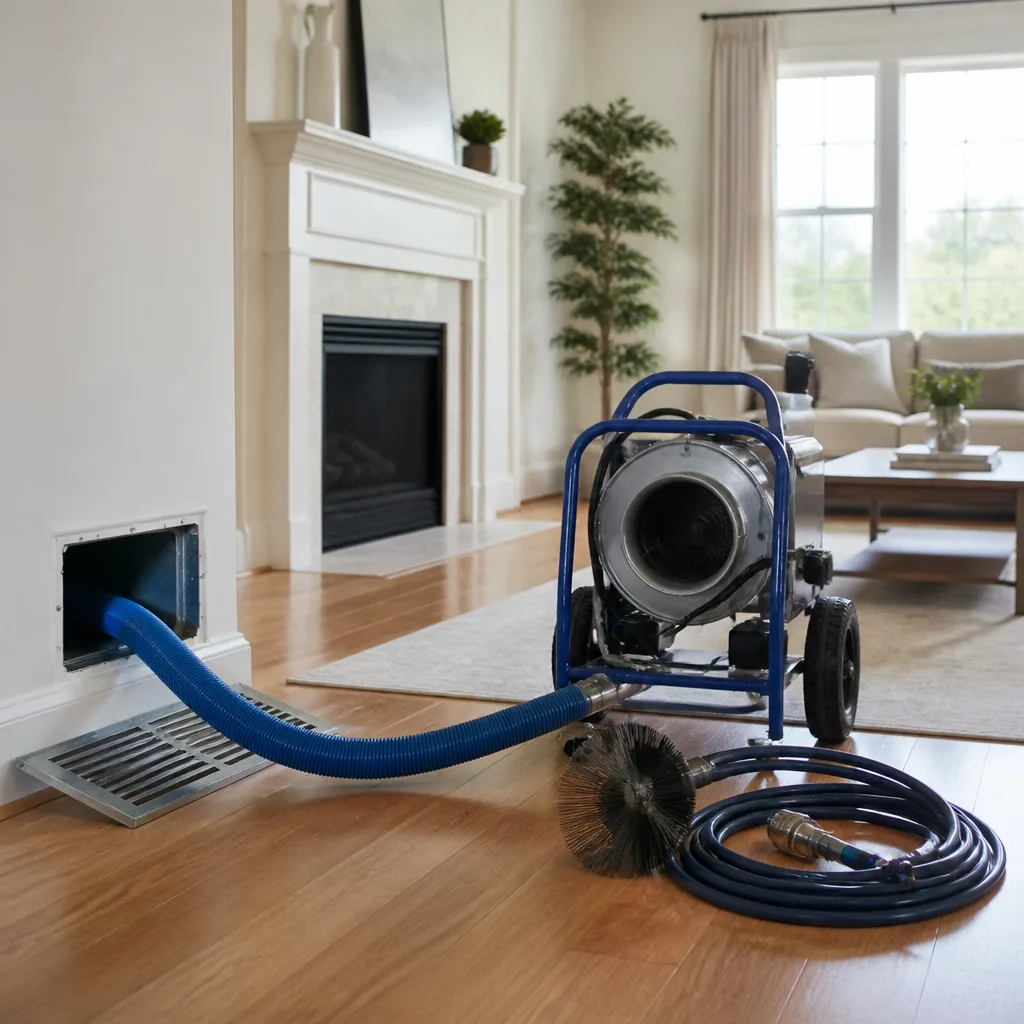 Whole-home duct cleaning
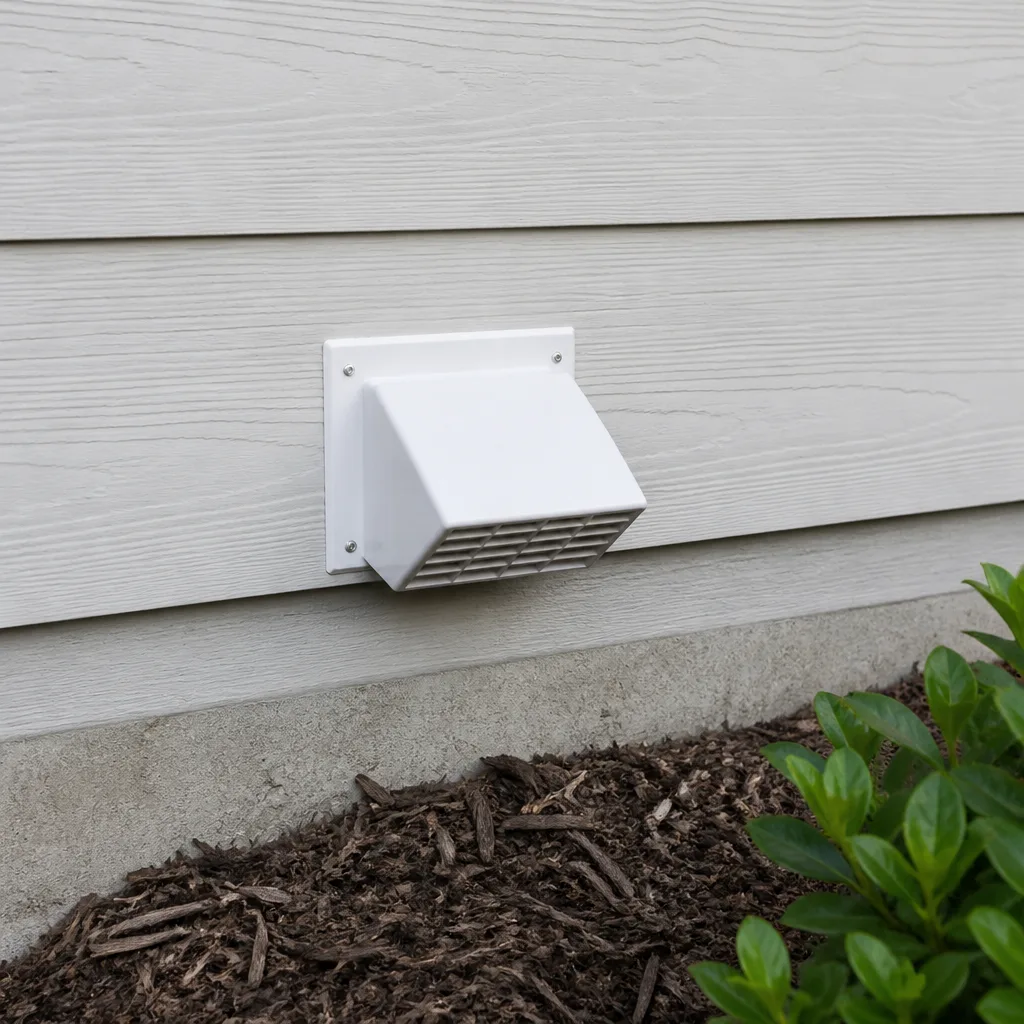 Dryer vent cleaning
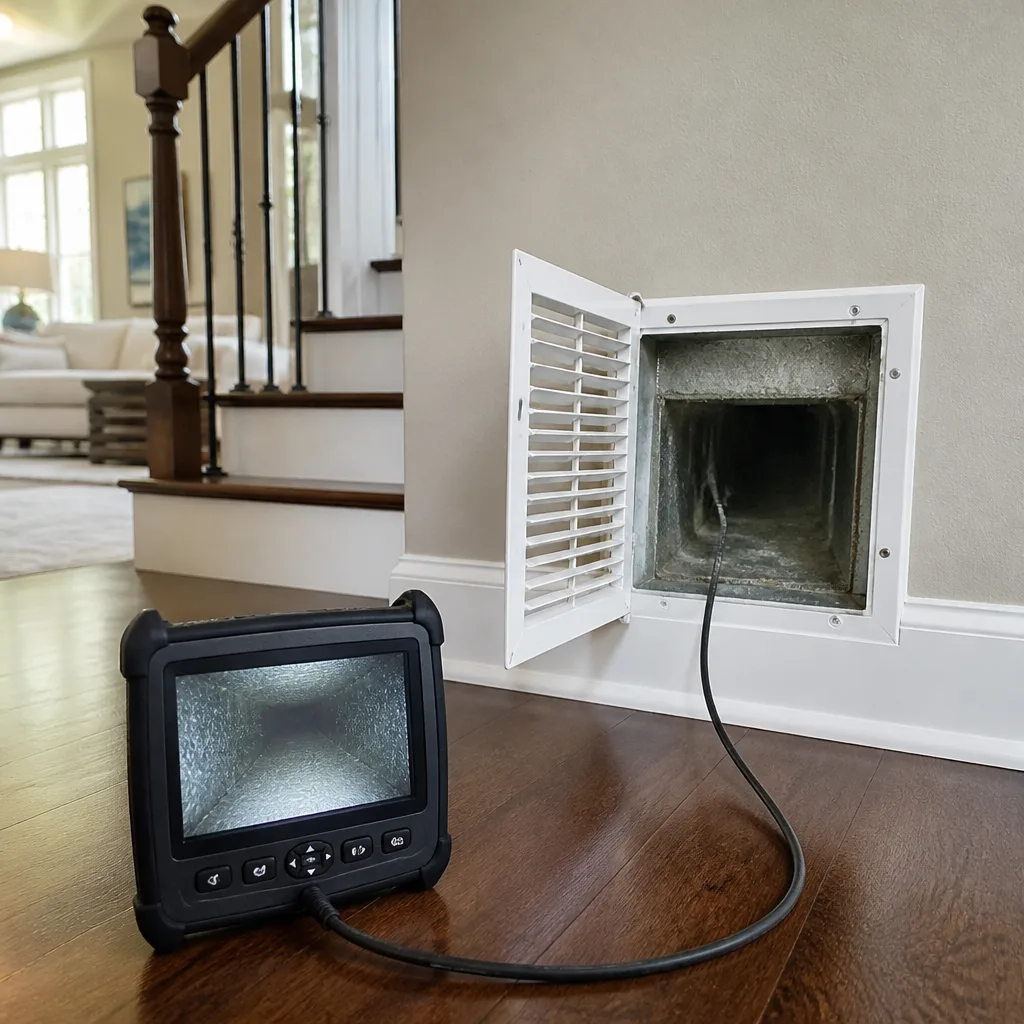 Camera inspection
 Sanitizing & deodorizing
Whole-system duct and dryer vent check with before-and-after photos - you see exactly what came out of your vents
That "$99 whole-house special" is a bait ad - the real number appears once they are in your hallway, or the "clean" is a shop-vac at the register. We photograph the inside of your ducts before and after instead.
Air Duct Cleaning Maintenance Checklist for Westminster Homeowners
Most duct care advice you’ll read says to change the filter and book a cleaning every few years. That advice is backwards. The filter is the last line of defense, not the first. By the time a filter looks visibly loaded, the return plenum and trunk lines behind it have been trapping debris for months, and a calendar date tells you nothing about what’s actually building up inside your system. What does tell you something is what you can see and feel at the registers, hear from the blower, and notice room to room. This guide is built around those inspection points, the ones you can check yourself with a flashlight and a phone, so you can time professional service around real signals instead of a guess. We’ll walk through a room-by-room register protocol, static pressure symptoms, checklist items specific to Westminster homes, and what to document before anyone shows up.
Westminster sits in a stretch of the Front Range where seasonal pollen, wildfire smoke drifting down from the mountains, and steady new construction all feed the same ductwork. That mix makes a generic checklist useless. What follows is specific to how homes here actually collect dust.
Quick Answer
A practical duct maintenance checklist for a Westminster home means inspecting every register twice a year, watching for static pressure symptoms like rooms that won’t heat or cool evenly, swapping filters on a seasonal schedule tied to pollen and smoke season rather than a fixed month count, and documenting what you find before booking professional service. You don’t need to clean your own ducts. You need to know when they need cleaning, and be able to tell the difference between a real scope of work and an upsell.
Styles & brands we work with
- Whole-home duct cleaning
- Dryer vent cleaning
- Camera inspection
- Sanitizing & deodorizing
Table of Contents
- The Room-by-Room Register Inspection Protocol
- Reading Static Pressure Symptoms: When Rooms Won’t Heat or Cool
- Seasonal Filter Timing for Westminster’s Pollen, Smoke, and Construction Dust
- Checklist Items for Homes With Pets, Renovations, and Attached Garages
- What to Document Before a Professional Visit
- Why Contained Cleaning Matters More Than Equipment Lists
- The Dryer Vent Belongs on Your Checklist Too
- Sealing and Repair: The Step Most Checklists Skip
The Room-by-Room Register Inspection Protocol
A register inspection takes about twenty minutes in a typical Westminster home and tells you more about your duct system’s condition than any single filter glance ever will. You need a flashlight and your phone camera. That’s it. The goal isn’t to diagnose anything. It’s to build a baseline you can compare against six months from now.
Work through the house one room at a time. Don’t skip closets, hallways, or the laundry room; supply registers hide in places people forget. Here’s the sequence:
- Photograph each register before touching it. A straight-on shot of the grille, plus a close-up of the louver edges, gives you a reference point for buildup patterns. Date the photos in your phone.
- Shine the flashlight into the supply boot. Look at the first few inches of duct past the grille. A light film of dust is normal. A visible mat of gray fuzz, or debris you can see clinging to the sides, means the run has been collecting for a while.
- Check the return grille separately. Returns pull far more air and far more debris than supplies. A return that’s noticeably darker or dustier than the supplies in the same room is doing its job, not failing.
- Feel the airflow with the back of your hand. Compare across rooms. Strong at the register nearest the air handler and weak at the far end of the house is a pattern worth writing down.
- Look for streaks on the ceiling or wall around the grille. Dark halos around a register usually mean air is escaping past a poorly sealed boot rather than traveling through the duct.
- Note any musty or stale smell at a specific register. If one room smells different from the rest, that’s a location clue worth documenting.
Repeat this twice a year, ideally once in spring before cooling season and once in fall before the furnace runs hard. Keep the photos in one album on your phone. When you eventually call for service, that album is the difference between a technician who has to guess at your system’s history and one who can see it.
Reading Static Pressure Symptoms: When Rooms Won’t Heat or Cool
Rooms that never quite reach the thermostat setting are often read as an HVAC problem. Sometimes they are. But in a lot of Westminster homes, the real issue is duct restriction: the system is moving enough air, but the pathways are undersized, leaking, or partially blocked, so the air never arrives where it’s needed. That’s static pressure, and it shows up as symptoms you can observe without instruments.
Here’s what to watch for:
- One or two rooms run hot in summer and cold in winter while the rest of the house is fine. This is the classic restriction signature.
- The blower sounds strained or louder than it used to. A system fighting restricted airflow works harder.
- Dust collects faster in some rooms than others. Uneven airflow moves uneven amounts of debris.
- The air handler short-cycles or the system runs longer than it should to hit the set temperature.
- Registers whistle or rattle. That’s air moving through a gap that’s too tight for the volume.
What causes it? Undersized return ducts are common in older homes, and so is crushed or disconnected flex duct in attics and crawlspaces. Loose joints at the plenum and disconnected boots behind drywall both leak conditioned air into unconditioned space before it reaches a room. A register that feels weak at the far end of a long run may simply be losing air to leaks along the way.
This is where professional inspection earns its keep. A static pressure reading taken at the air handler tells a trained technician whether the system is restricted and roughly where. If the answer is dirty ductwork and open joints, cleaning restores airflow and sealing keeps it restored. If the ductwork is undersized from the start, sealing won’t fix it, but knowing that saves you from paying for cleaning that can’t solve the problem. Either way, the symptoms above are the reason to call, not a calendar.
In our experience, homeowners who track room-by-room airflow for a season usually spot the failing run before it becomes a comfort complaint. That’s a much cheaper conversation to have.
Seasonal Filter Timing for Westminster’s Pollen, Smoke, and Construction Dust
The “change it every 90 days” rule assumes a uniform year. Westminster’s doesn’t work that way. This stretch of the Front Range has a distinct pollen calendar, a wildfire smoke season, and construction dust that shows up in waves as neighborhoods build out. A filter schedule that ignores those three things will be wrong for most of the year.
Here’s how we’d time it:
- Late winter into spring: tree pollen arrives first in this region, and it’s fine enough to ride straight through a return. Check your filter monthly through the spring rather than waiting for the calendar to tell you.
- Summer: this is when wildfire smoke becomes the variable. Smoke particles load a filter fast, and if your system is running constantly for cooling, so does ordinary dust. Look at the filter itself; if it’s gray and matted, it’s done.
- Fall: furnace season starts, and the system begins moving air through ducts that sat mostly idle through cooling season. Change the filter before the first cold snap, not after.
- Winter: heating runs hardest, and indoor air is driest. Filter load climbs steadily. Check monthly.
Construction dust deserves its own note. New builds and renovations going up around Westminster kick fine gypsum and silica dust into the air, and that dust finds its way into return grilles and settles inside ductwork. If there’s active construction within a few blocks, your filter is under more load than the calendar suggests. Same goes for a renovation inside your own home; that’s covered in the next section.
One more thing: a higher-MERV filter isn’t automatically better. A filter dense enough to catch very fine particles also creates more restriction, and a system not designed for it will lose airflow. Match the filter rating to what your air handler was built for, and change it more often rather than buying the most restrictive one on the shelf.
Checklist Items for Homes With Pets, Renovations, and Attached Garages
Standard checklists assume a standard house. Some Westminster homes need extra inspection points, and they’re worth calling out because the signs are easy to miss until the buildup is significant.
Homes with pets
Pet hair and dander behave differently than ordinary dust. Hair clumps and mats rather than staying loose, so it collects on the return grille surface, in the boot, and along the first stretch of the return run. On the inspection protocol above, look specifically at the return grilles in the rooms your pets use most. If you can see matted hair through the grille, the return is loaded, and the ductwork behind it probably is too. Pet odor lingering in one room after cleaning the room itself is another signal worth writing down.
Recently renovated homes
Renovation dust is the reason a lot of people call a duct cleaner in the first place, and they’re right to. Drywall dust, sawdust, and insulation fibers all migrate into the returns while work is going on, even with plastic sheeting up. Here’s the checklist version:
- Check every return grille for visible dust accumulation the week after the work ends.
- Look at the air handler filter, not just the grilles; renovation dust often reaches it first.
- Inspect supply registers in rooms that were worked on, since drywall dust settles downward into open boots.
- Walk the house and note any rooms still holding a construction smell a week after final cleanup.
If the renovation involved moving walls or adding rooms, the duct layout itself may have changed. That’s worth knowing before anyone quotes a cleaning scope.
Homes with attached garages
An attached garage shares a wall, and often a ceiling or floor system, with the conditioned house. That means exhaust fumes, road dust, and whatever else lives in the garage can migrate toward return ducts if the wall between them isn’t well sealed. In Westminster homes built with attached garages, look for return grilles or duct runs that back up against the garage wall. If you can smell the garage inside the house, the air barrier is failing somewhere. Duct sealing addresses one piece of that puzzle; the rest is weatherization work.
What to Document Before a Professional Visit
The single best defense against upsell pressure is arriving at the estimate with a written record of what you’ve already seen. A technician who knows you’ve photographed every register and tracked airflow room to room can’t sell you a scope that contradicts your own evidence.
Here’s what to have ready:
- Your register photo album, dated. Spring and fall sets if you have them.
- A simple floor plan sketch marking supply registers, returns, and the air handler location. Hand-drawn is fine.
- Notes on uneven rooms. Which rooms run hot or cold, and when.
- Filter size and rating for the air handler, plus how often you’ve been changing it.
- Renovation and move-in dates. If the ducts haven’t been serviced since you bought the house, say so.
- Pet count and type. It genuinely changes what the technician expects to find.
- Any smells, streaks, or whistles tied to a specific room or register.
When a professional arrives with that information, the conversation shifts from “here’s what we recommend” to “here’s what your evidence shows and here’s the work that addresses it.” Ask for a written estimate with a defined scope: which ducts, which components, what equipment. A legitimate provider will give you one. Contained cleaning with professional-grade equipment should be explained in plain terms, not sold as a package.
One more thing worth knowing: ask whether the work will include negative air pressure and HEPA filtration during cleaning. That’s the difference between capturing dislodged debris and blowing it through the house. More on that below.
Why Contained Cleaning Matters More Than Equipment Lists
Any duct cleaner can show up with a vacuum. Whether that vacuum traps what it loosens, or just moves it around the house, is the question that separates a real cleaning from a cosmetic one. Contained cleaning means negative air pressure: the work area is put under slight vacuum, with HEPA filtration pulling air out and filtering it, so debris knocked loose inside the ducts gets captured rather than redistributed into living spaces.
We use Abatement Technologies negative-air and filtration equipment on every job for exactly that reason. Rotary agitation tools like the Rotobrush system loosen debris from duct walls, and HEPA vacuum units pull it out under containment. It’s the same approach used in remediation and commercial work, and it’s the standard residential duct cleaning should be measured against. If a provider can’t tell you how they’ll contain the dust during cleaning, that’s your answer.
Containment matters more in a home where someone has allergies, asthma, or a young child, but it matters in every home. A cleaning that redistributes debris defeats its own purpose. When you’re comparing estimates, the containment question is more useful than the brand names on the truck. Ask it.
We’d also say this: 20 minutes of explaining the containment setup before the work begins is time well spent. You should know what’s happening in your house.
The Dryer Vent Belongs on Your Checklist Too
Dryer vents get treated as an afterthought on most duct checklists. They shouldn’t be, and we say that as a company that treats dryer vent cleaning as its own service rather than an add-on. A clogged dryer vent is a fire risk, and lint buildup happens faster than most homeowners expect.
Here’s the homeowner checklist for the dryer vent:
- Time a load. If clothes that used to dry in 45 minutes now take 70, the vent is restricted.
- Feel the exterior vent flap while the dryer runs. It should open easily and push out warm, moist air. Weak airflow or no airflow is a red flag.
- Look behind the dryer. A crushed or kinked transition hose cuts airflow and collects lint at the pinch point.
- Check the outdoor termination for lint visible at the flap, and make sure the flap isn’t stuck open or jammed shut.
- Notice extra heat in the laundry room during a cycle. That’s a symptom, not a quirk.
These checks take five minutes and catch the most common restriction points. If any of them fail, it’s time for a professional cleaning. That’s a safety item, not a comfort one, and it doesn’t belong in the “maybe later” pile.
Sealing and Repair: The Step Most Checklists Skip
Cleaning removes what’s inside the ducts. It doesn’t fix ducts that leak. In a lot of Westminster homes, the bigger efficiency and air-quality gain comes from sealing the joints, boots, and plenum connections where conditioned air escapes into attics and crawlspaces before it ever reaches a room.
How do you know if your ducts leak? Look for these signs during your inspection:
- Dust streaks or dark marks at the seams where duct sections meet.
- Registers that feel weak despite a clean filter and a healthy blower.
- Attic insulation disturbed or discolored near duct runs. That’s escaping air carrying debris.
- Seasonal energy bills climbing without an obvious cause.
Duct repair and sealing addresses the root cause rather than the symptom. A sealed system holds pressure, delivers air where it’s supposed to go, and stops pulling attic or crawlspace air into the return side, which is one of the more overlooked indoor air quality issues in any home. It’s the “from cleaning to sealing” part of the work most checklists leave out entirely, and it’s why we treat HVAC cleaning and duct sealing as parts of the same conversation about system integrity.
If your inspection turns up leaks, the sequence is straightforward: clean first, seal after. Cleaning a leaking system without sealing it just means you’ll be cleaning it again sooner.
Common Mistakes to Avoid
- Treating the filter as a calendar item. A filter’s condition tells you more than the date on the packaging. Westminster’s pollen and smoke seasons don’t align with a 90-day rule, so check the filter itself and change it based on what you see.
- Cleaning ducts and skipping the returns. Returns handle the heaviest debris load in the system. A cleaning scope that covers only supply registers is incomplete, and it’s worth asking about before the work starts.
- Ignoring the register photos between visits. A photo album you don’t revisit is just clutter. Compare each spring set against the previous fall set. That’s where the real signal lives.
- Buying the most restrictive filter available. A high-MERV filter on a system not designed for it restricts airflow and can make static pressure problems worse. Match the filter to the air handler’s design.
- Assuming a wall register means a clear duct. Supply boots in Westminster homes are sometimes disconnected or crushed behind drywall during renovations. A register that’s open doesn’t guarantee air is arriving.
- Forgetting the dryer vent entirely. Of all the components on this checklist, the dryer vent is the one with a genuine fire-safety consequence. Treat it as a separate item from the HVAC ducts.
- Skipping documentation before an estimate. Arriving with no photos and no notes makes it harder to evaluate a scope of work. Bring the file. It’s the single best defense against upsell pressure.
See the difference
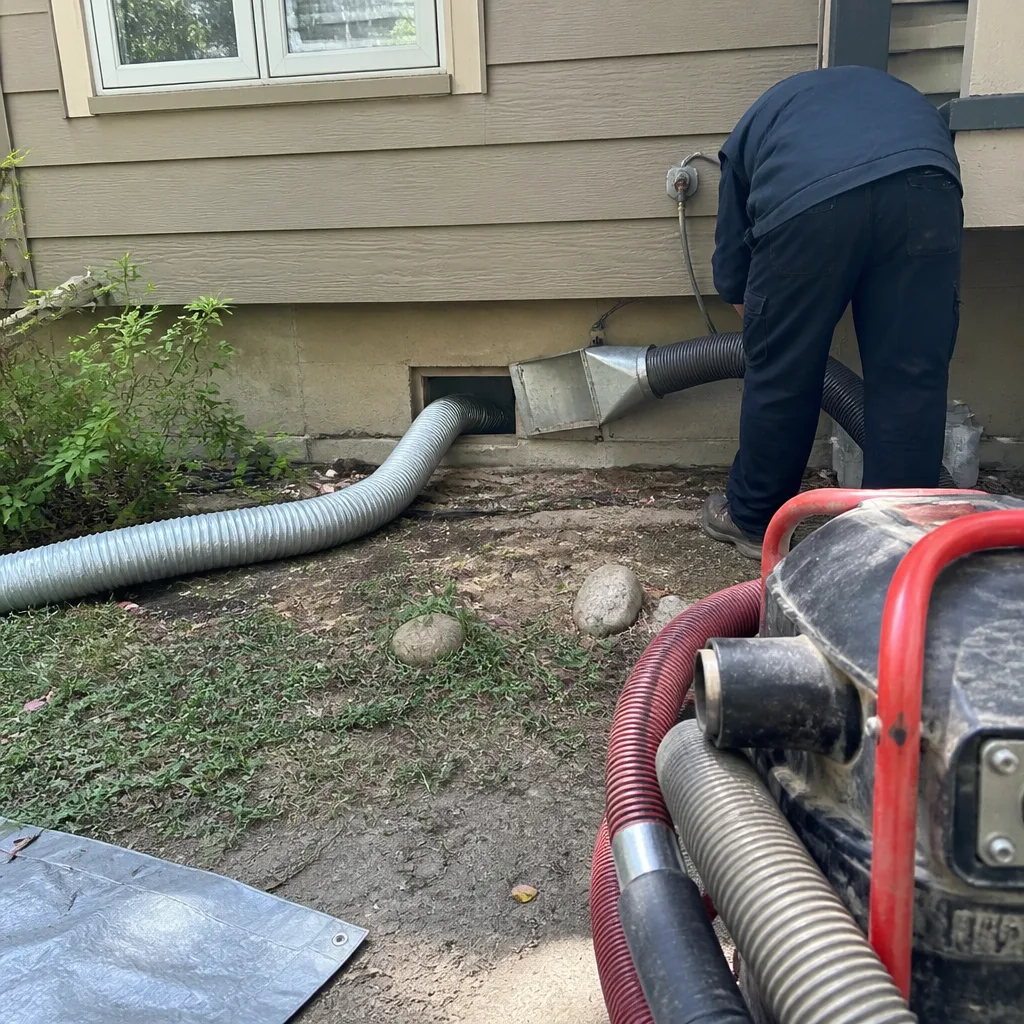 Before
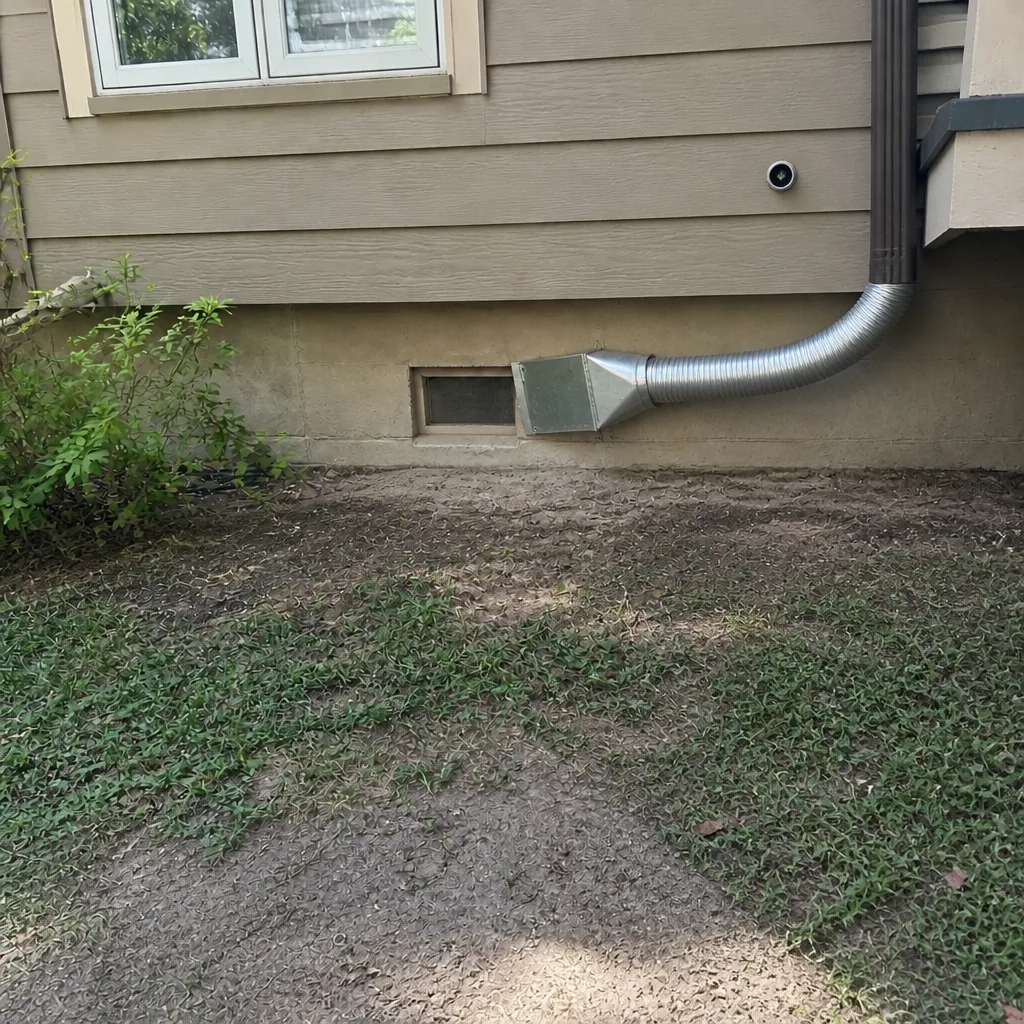 After
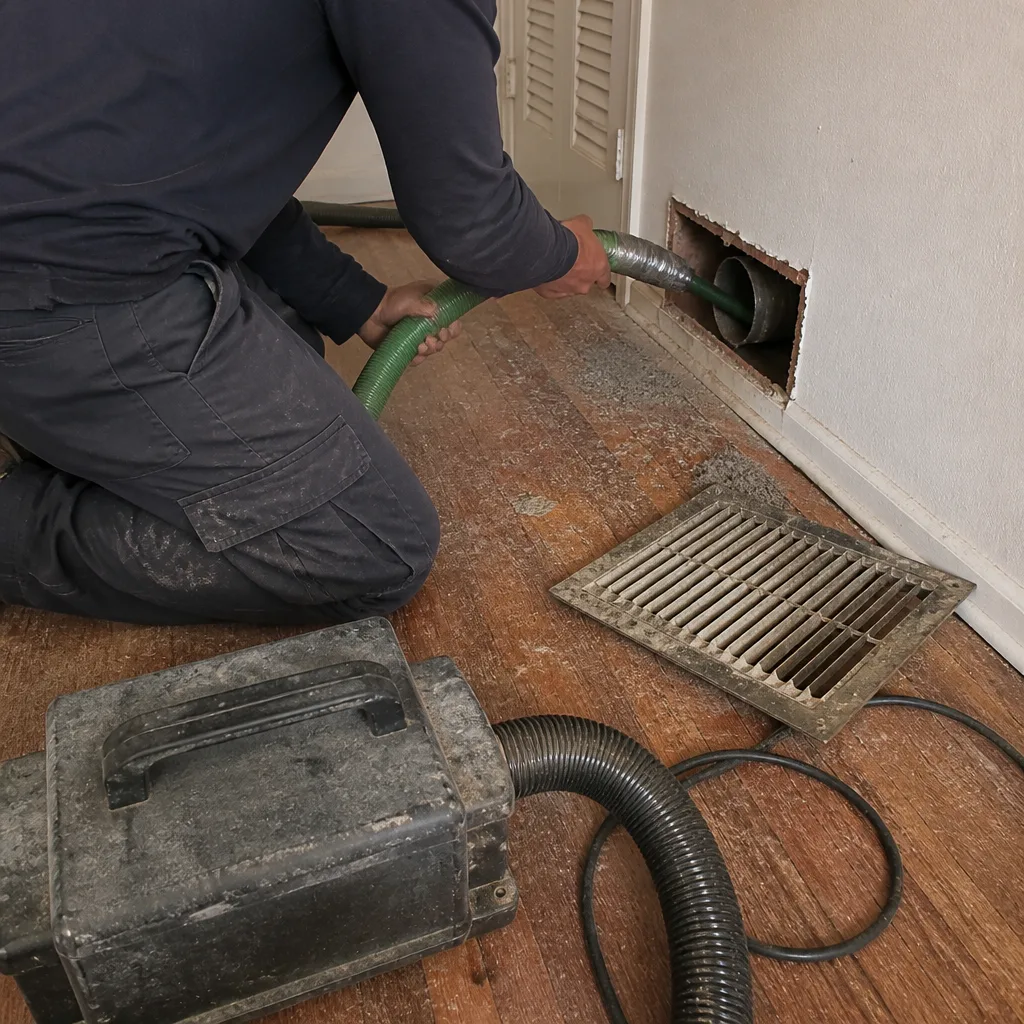 Before
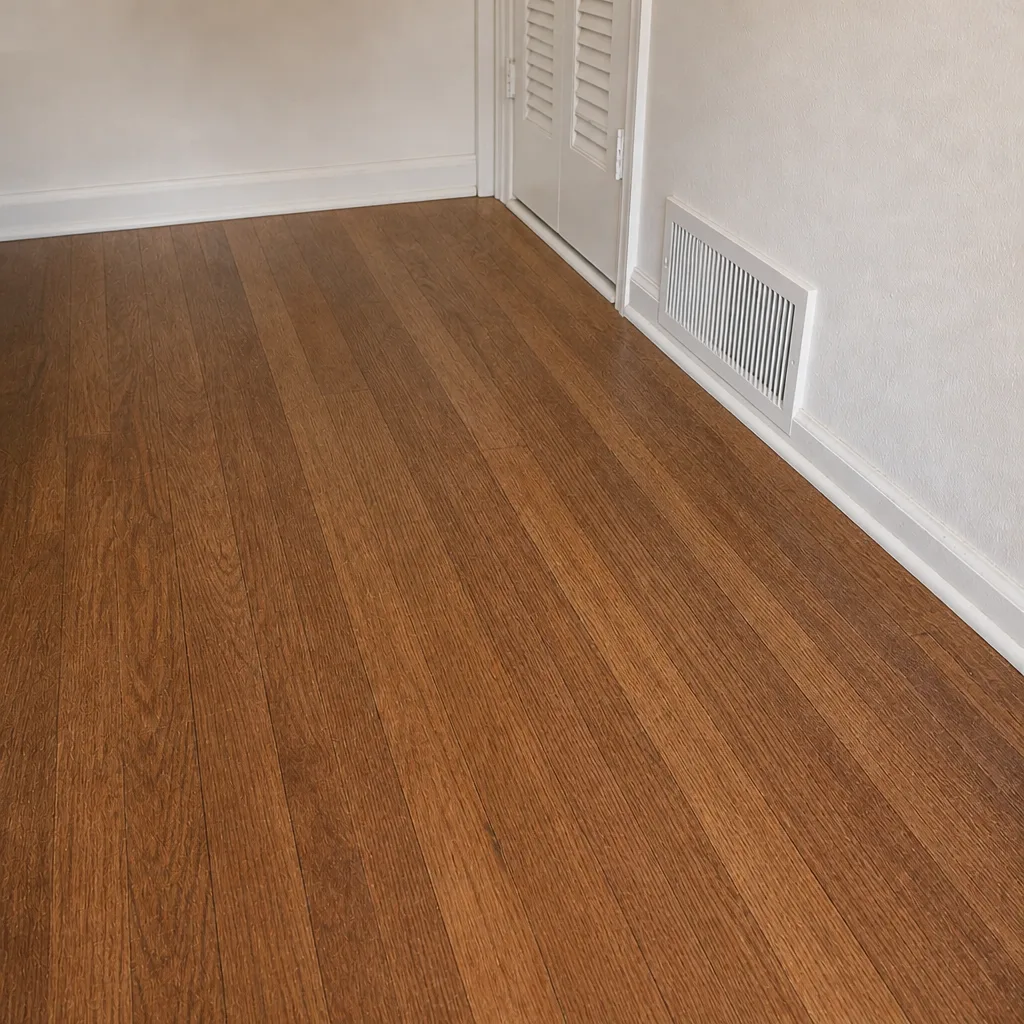 After
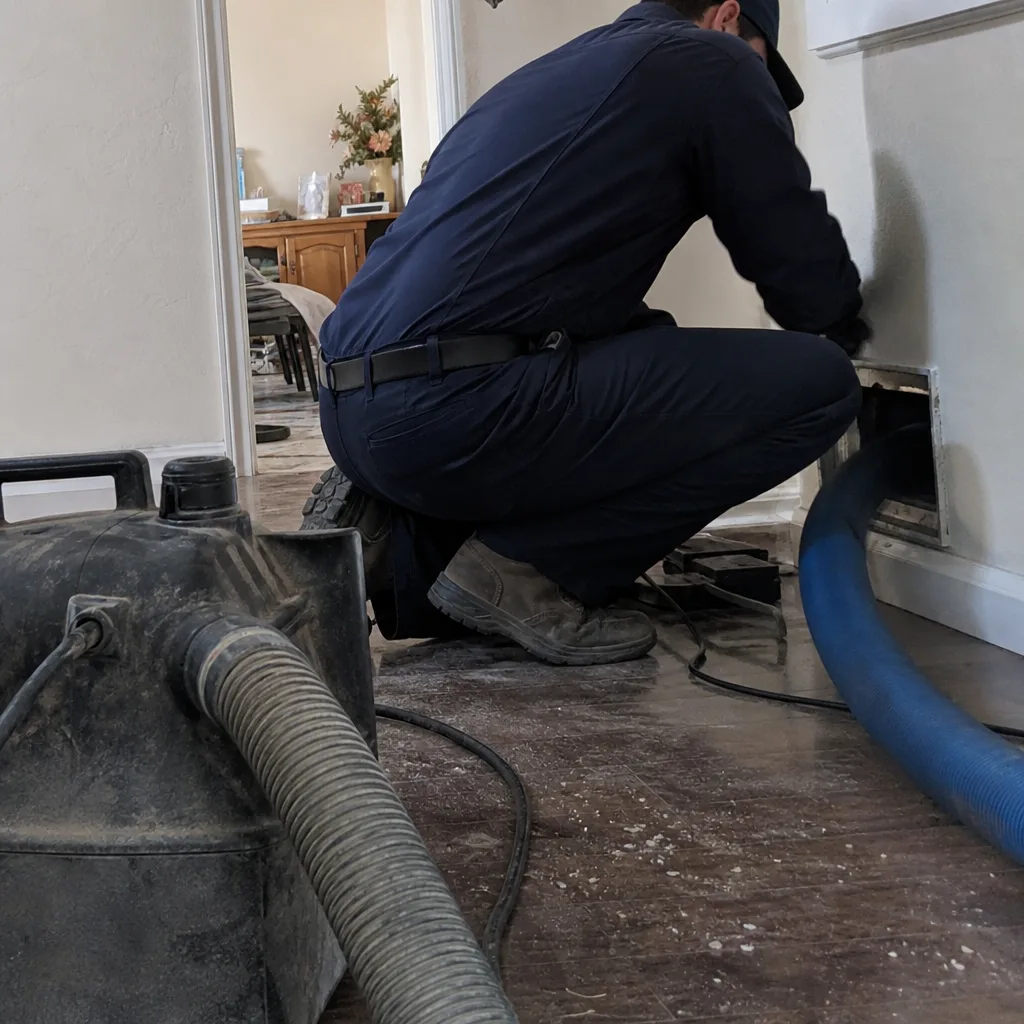 Before
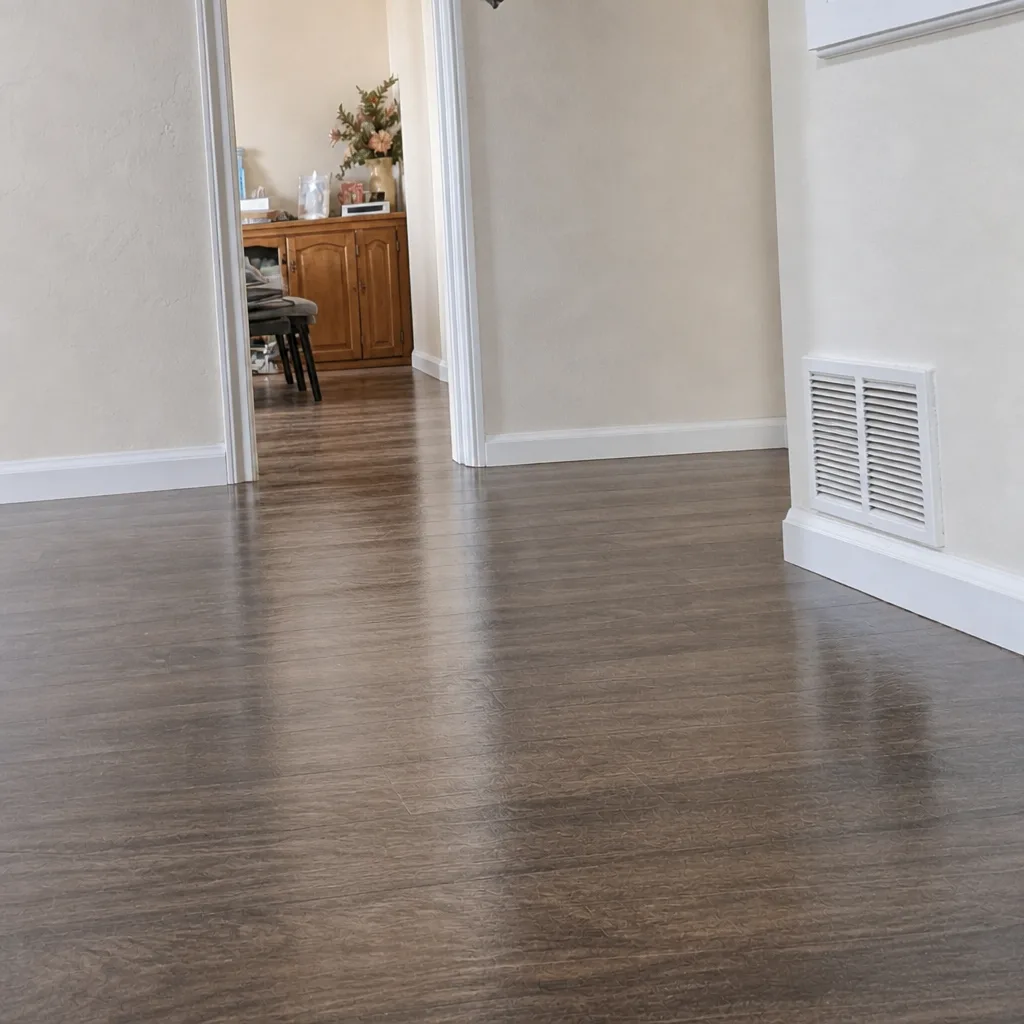 After
When to Call a Professional
Call a professional when your inspection turns up more than surface dust. Specifically: visible matted debris in a supply boot, musty odors tied to a specific room, static pressure symptoms that persist after a fresh filter, an active renovation that ended recently, a return grille you can’t see through, or a dryer vent that fails the load-time and airflow checks. Those are concrete signals rather than a calendar guess, and they’re what a real scope of work should be built around.
We bring a full picture to the job: air duct cleaning with rotary agitation and HEPA vacuums, contained with negative air technology, plus sealing and air quality treatment from Westminster Air Duct Cleaning Pros when the ducts need more than a vacuum. Our technicians have up to 15 years of experience. Estimates in Westminster are free.
Call (833) 736-5689. We answer 24/7. Fast dispatch from 7am to 7pm, Sunday through Friday.
Frequently Asked Questions
Most Westminster homes need professional duct cleaning every three to five years, but the number that matters more is what your own inspection shows. Visible debris in supply boots, musty odors, persistent static pressure symptoms, recent renovation, or a heavily loaded return grille are stronger indicators than a calendar. A home with pets or an attached garage may need it on the shorter end of that range, and a home with a freshly sealed and maintained system may stretch the interval. Call (833) 736-5689 for an exact quote; estimates are free.
Yes. Renovation dust from drywall, sawdust, and insulation migrates into return ducts during the work, even with plastic sheeting in place. In Westminster, where construction activity is steady, that dust can settle deep into the return plenum and trunk lines rather than just on the grille. Cleaning after the work ends is the right call, especially if the renovation involved moving walls or adding rooms. Call (833) 736-5689 for an exact quote; estimates are free.
Cheap quotes usually skip containment, skip the returns, or skip the equipment that makes the work meaningful. A provider with no negative air setup and no HEPA vacuum is essentially loosening debris without capturing it. The low headline figure often becomes a larger invoice once the technician is on site and starts discussing add-ons. We price the job as one flat cost for the system, agreed in writing before work starts, with before-and-after photos of your own ducts. Call (833) 736-5689 for an exact quote; estimates are free.
Ask for before-and-after photos of your ducts, not a general description. Look for photos of the returns and the air handler, not just a supply register. If your system has a specific problem area identified during the estimate, that area should appear in both the “before” and “after” set. And if a provider can’t explain how they contain dust during cleaning, that lack of detail tells you something about how thorough the work will be. Call (833) 736-5689 for an exact quote; estimates are free.
Cleaning removes debris from inside the ducts. Sealing addresses leaks at the joints, boots, and plenum connections where conditioned air escapes into unattached space. Cleaning a leaking system without sealing it means the ducts will collect debris and lose air again much sooner. In Westminster homes, duct leaks are a common reason for rooms that never quite reach temperature even after cleaning. The right sequence is clean first, seal after. Call (833) 736-5689 for an exact quote; estimates are free.
Yes, if either one is due. Dryer vents are a fire-safety item and they accumulate lint faster than most homeowners expect. They’re a separate system from your HVAC ducts, so a cleaning scope should explicitly include the dryer vent if you want it addressed. The five-minute homeowner check (load time, exterior flap airflow, transition hose behind the dryer) tells you whether a professional cleaning is due. Call (833) 736-5689 for an exact quote; estimates are free.
The Bottom Line
A useful duct maintenance checklist is built on observation, not a calendar. Inspect registers twice a year with a flashlight and phone. Track airflow room to room and watch for static pressure symptoms. Time filter changes to Westminster’s pollen, smoke, and construction dust cycles rather than a fixed month count. Document what you find so professional estimates are built on evidence. Include the dryer vent as its own line item. And when you’re ready for professional work, ask about containment, equipment, and whether sealing is part of the scope. That’s the full picture: cleaning, integrity, and air quality addressed together. Call (833) 736-5689 for a free estimate. We answer 24/7. Fast dispatch from 7am to 7pm, Sunday through Friday.
Written by the team at Westminster Air Duct Cleaning Pros.