
Last updated November 25, 2026
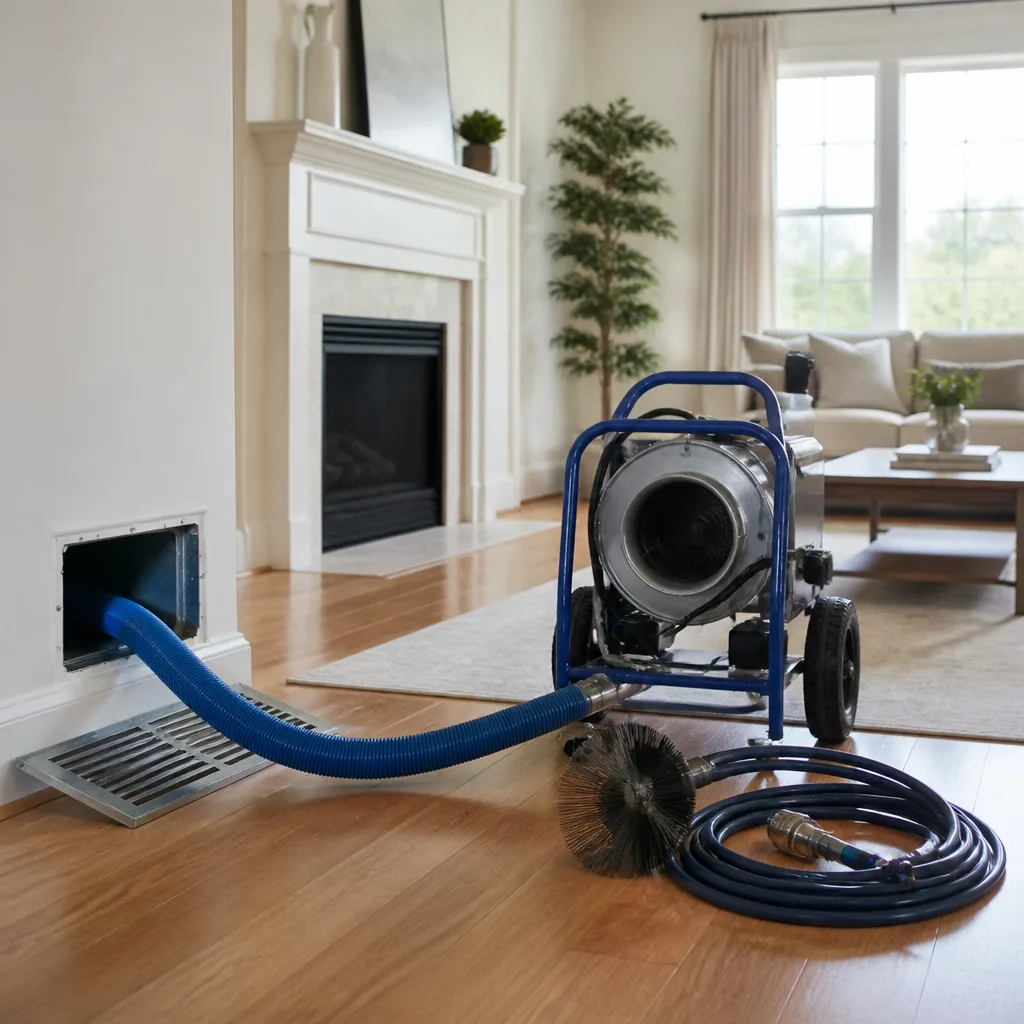 Whole-home duct cleaning
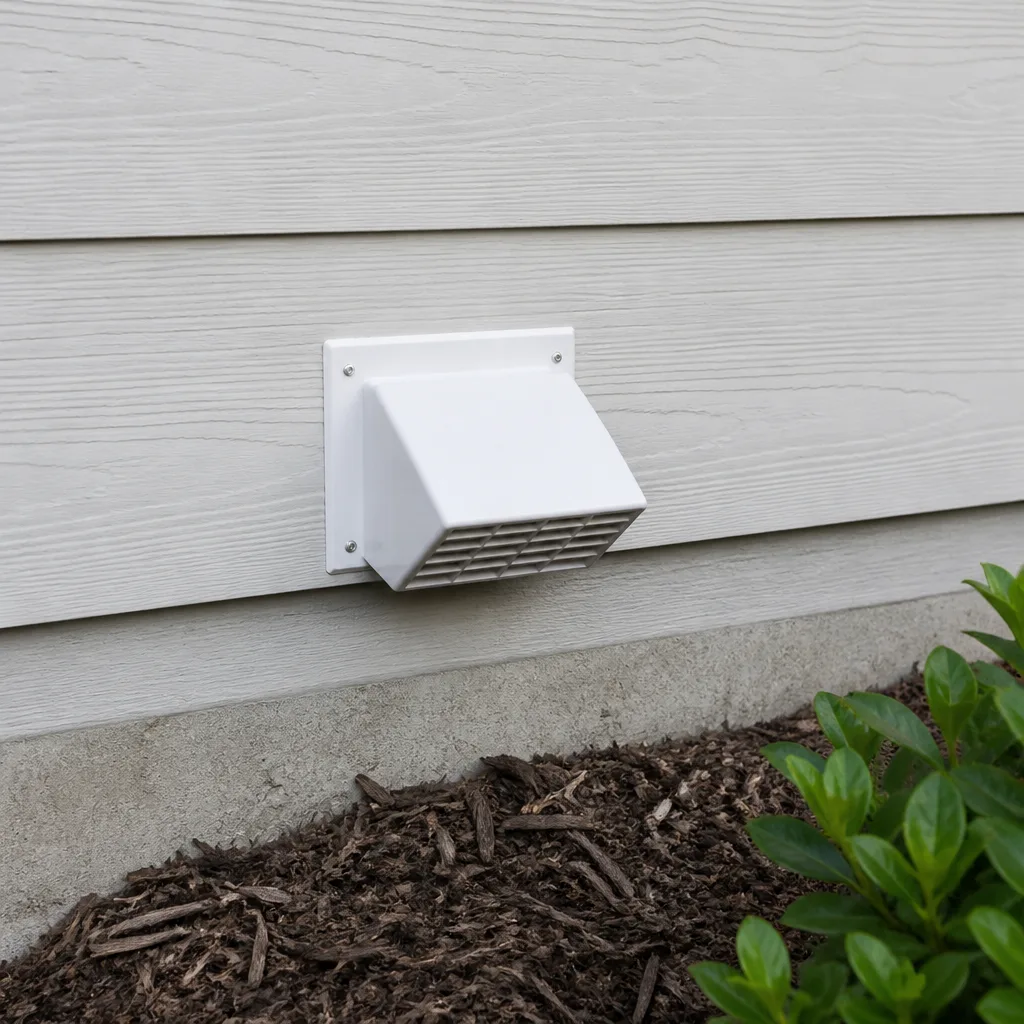 Dryer vent cleaning
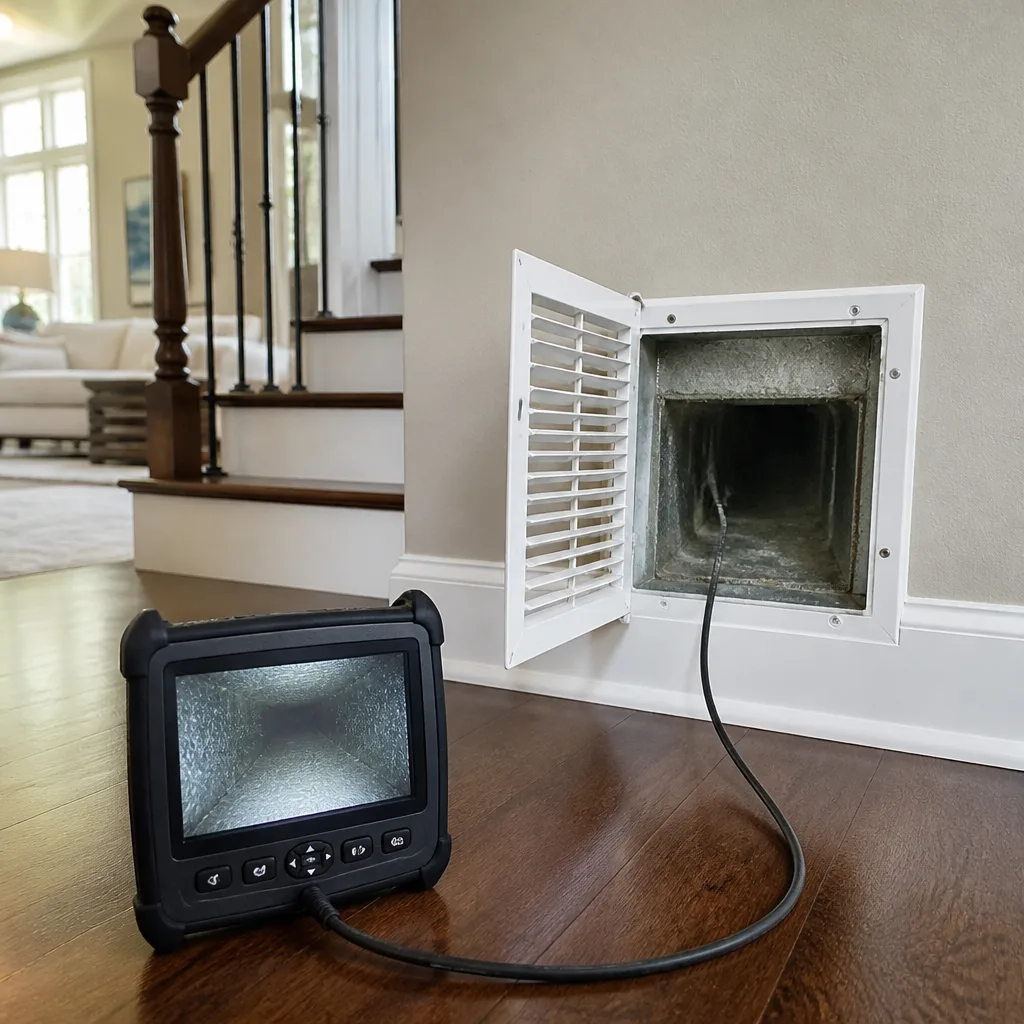 Camera inspection
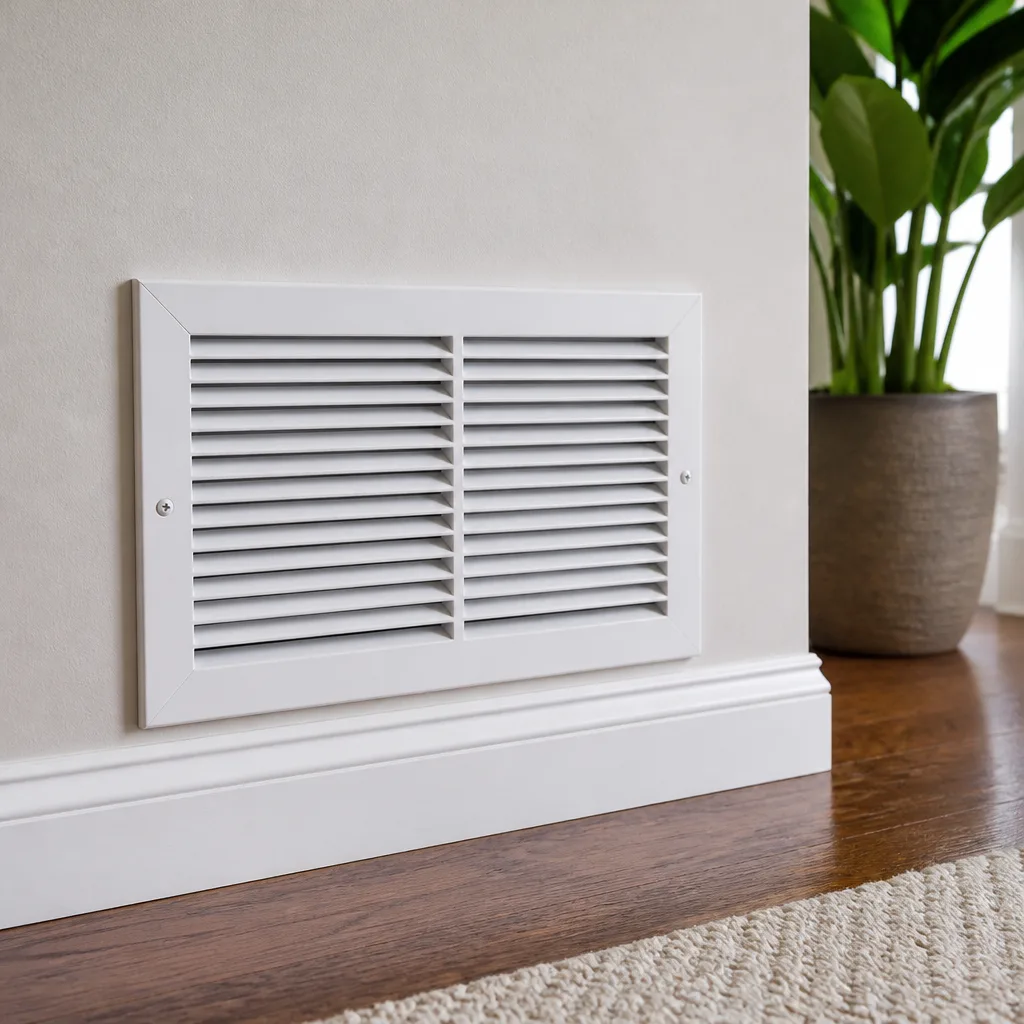 Sanitizing & deodorizing
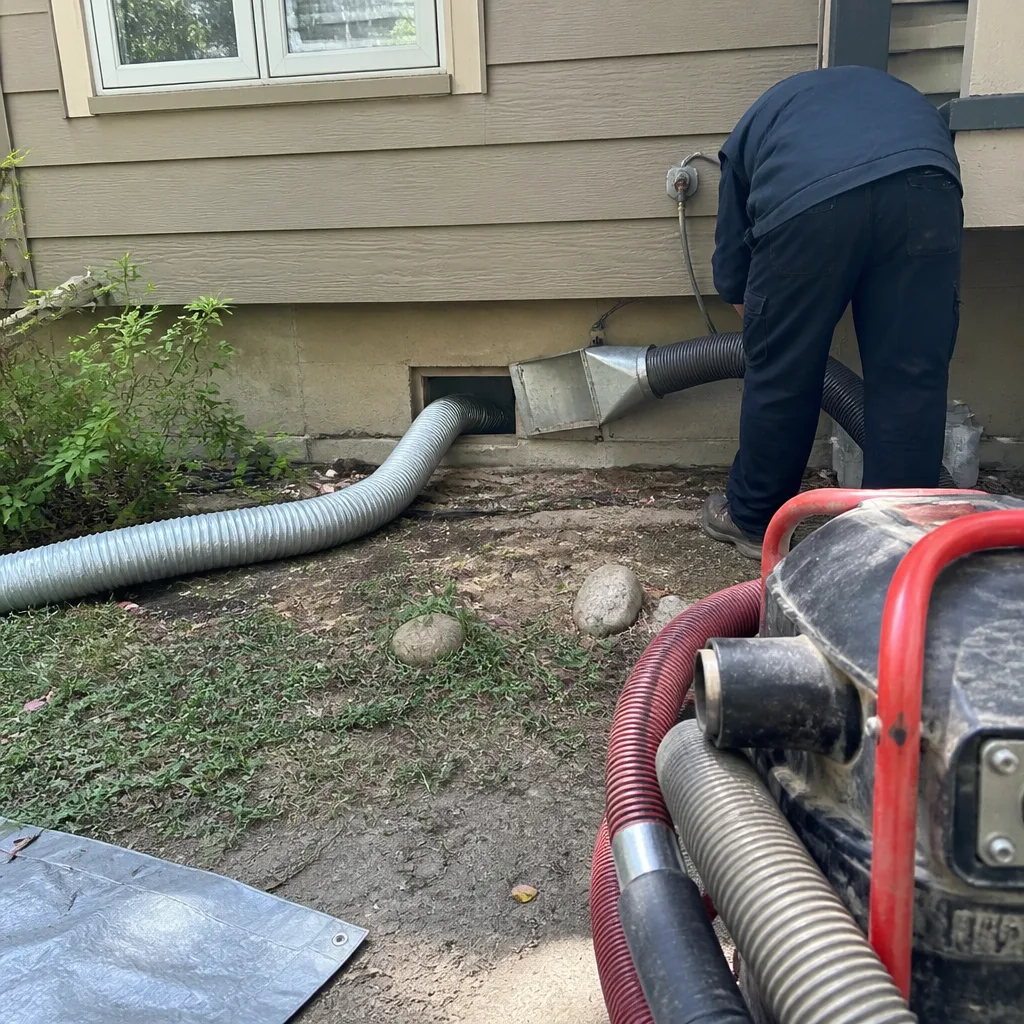
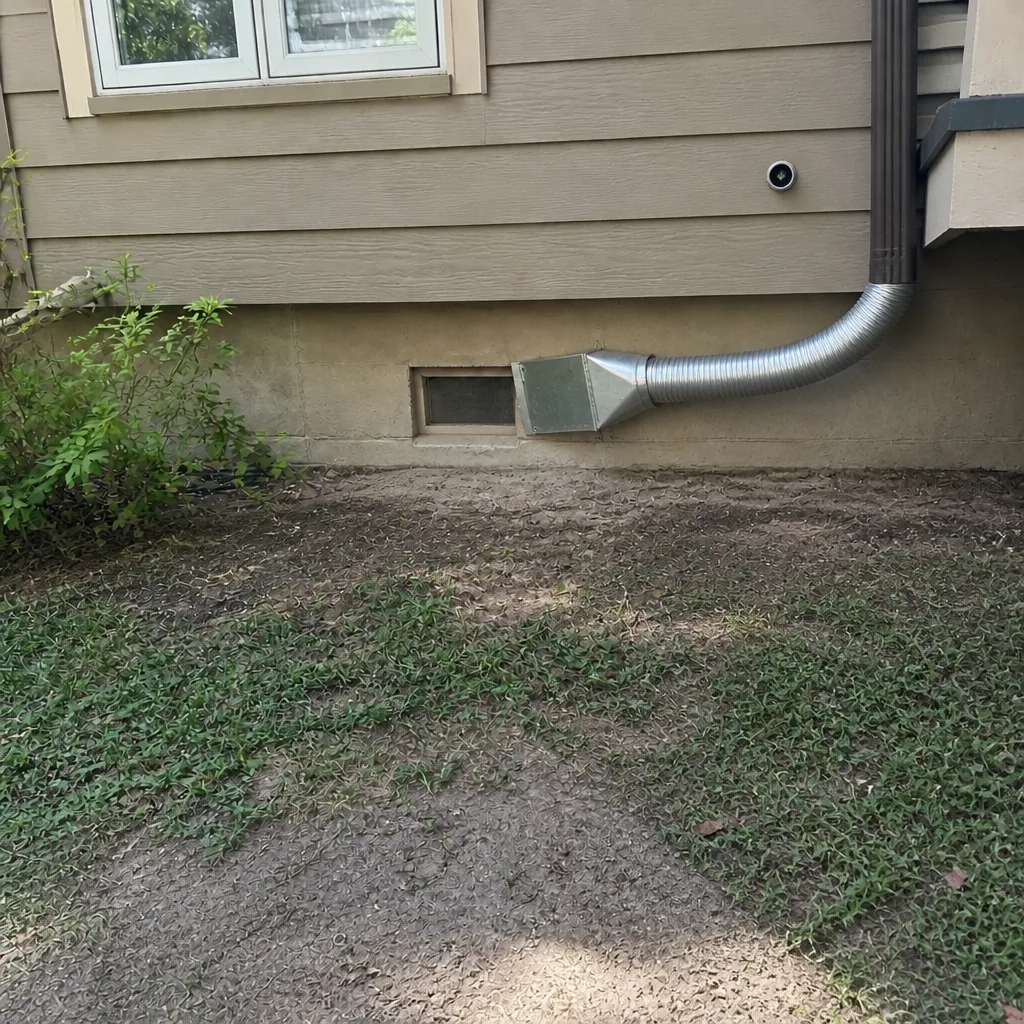
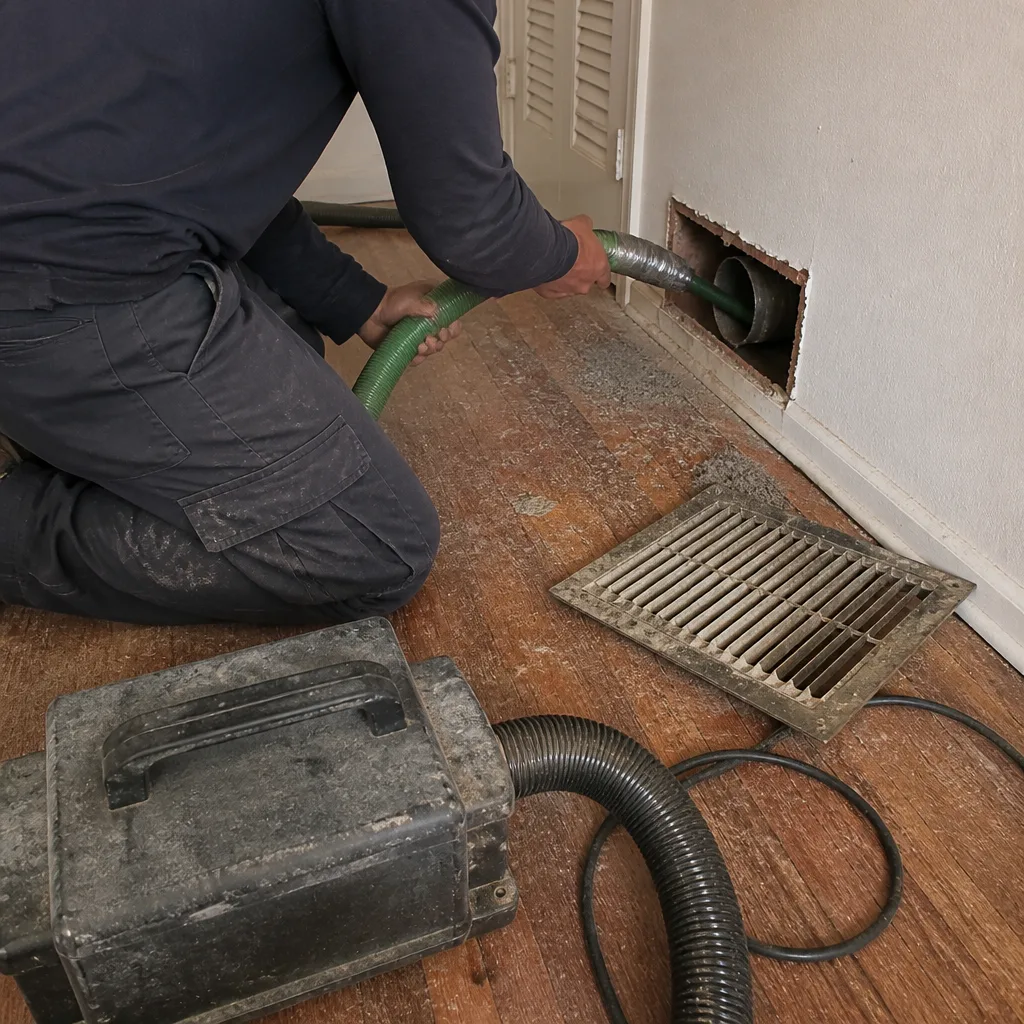
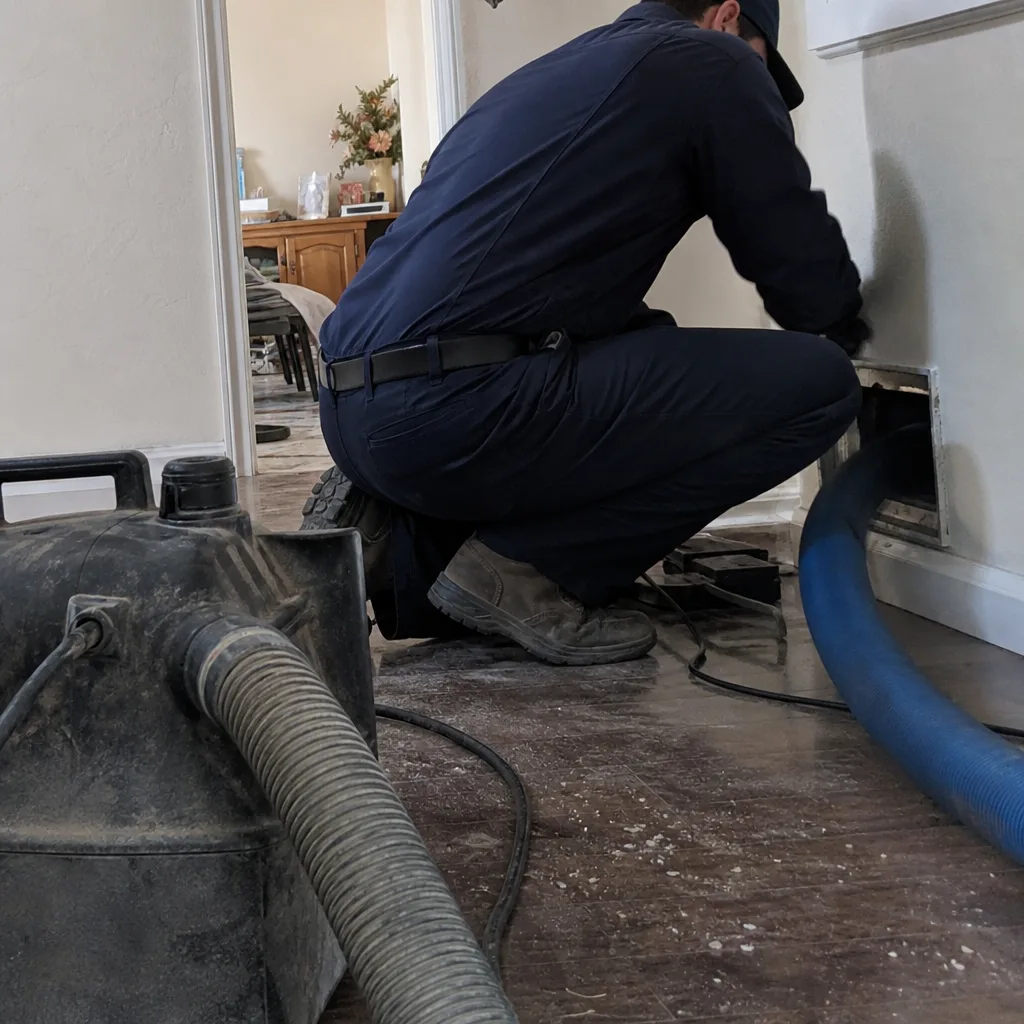
Whole-system duct and dryer vent check with before-and-after photos - you see exactly what came out of your vents
That "$99 whole-house special" is a bait ad - the real number appears once they are in your hallway, or the "clean" is a shop-vac at the register. We photograph the inside of your ducts before and after instead.
Seasonal Air Duct Cleaning Care for Westminster: Year-Round Homeowner’s Guide
The worst time to find out your ducts are loaded with debris is the first cold night in October, when the furnace kicks on and that burning-dust smell rolls through every room. By then, whatever settled in the system over the summer has already been pushed into the air your family breathes. The fix was available months earlier, during the mild weeks of spring, when a cleaning and an inspection could be scheduled without anyone shivering in the living room. That’s the counterintuitive part about air duct care: the season you clean matters as much as the cleaning itself. Westminster sits where the plains meet the foothills, and each of its four seasons loads a duct system in a different way. This guide walks through what each season does to your ducts and how to build a rolling 12-month plan around it.
Quick Answer
Air ducts in Westminster should be cleaned based on seasonal triggers rather than a fixed calendar interval: spring for cottonwood and pollen, early summer for wildfire smoke events, September for furnace-startup debris, and winter for concentrated recirculated particulate. A rolling 12-month calendar tied to those events keeps a duct system cleaner than cleaning once a year on a random date. The right interval for a specific home depends on pets, allergies, recent renovations, and how much the furnace and AC run.
Styles & brands we work with
- Whole-home duct cleaning
- Dryer vent cleaning
- Camera inspection
- Sanitizing & deodorizing
Table of Contents
- Why Westminster’s Climate Loads Ducts Differently
- Spring: Cottonwood, Pollen, and the Heat-to-Cooling Switch
- Wildfire Smoke Season: A Different Cleaning Protocol
- September: The Pre-Heating-Season Inspection
- Winter: A Tighter Envelope Concentrates What’s Inside
- Building Your 12-Month Duct Care Calendar
- What a Professional-Grade Cleaning Actually Involves
- Why Dryer Vent Cleaning Belongs in the Seasonal Plan
Why Westminster’s Climate Loads Ducts Differently
Duct systems everywhere collect dust. What makes Westminster different is the sequence of what arrives, and when. The city sits in a transition zone where dry plains air meets cooler air rolling down off the foothills, and that combination produces a specific annual rhythm: a windy, pollen-heavy spring; a summer that can turn smoky fast when fires start west of the Front Range; a short, sharp fall; and a winter cold enough that houses stay sealed for months.
For a duct system, that rhythm creates four distinct loading events a year, not one slow accumulation. A house in Westminster doesn’t just get dusty ducts; it gets ducts that take on a particular load in April, a different one in July, and a third in October. Cleaning on a fixed annual date means at least one of those loads sits in the system for months.
Housing stock matters too. A lot of the Westminster neighborhoods built out through the 1970s and 1980s have rigid metal trunk-and-branch duct systems with plenty of joints and seams where fine particulate settles. Newer construction east of Federal Boulevard tends toward flexible duct runs where dust can cling to the corrugated interior. Both need physical agitation, not just suction, to come clean, which is why we bring Westminster Air Duct Cleaning Pros-grade equipment that agitates the duct wall while it vacuums.
The practical takeaway: think of your ducts as having a seasonal load profile. Once you know what each season adds, you can clean at the point where the load peaks, not after it’s already been circulated through the house.
Spring: Cottonwood, Pollen, and the Heat-to-Cooling Switch
Spring is the single most important season for duct care in Westminster, and most homeowners treat it as the least urgent. The weather turns mild, the heat runs less, and the AC hasn’t started yet. It feels like nothing is happening. In reality, two things are stacking up.
The first is cottonwood and pollen. Cottonwood fluff drifts through Westminster neighborhoods in late spring and finds every gap in a return-air intake, a filter slot, or an outdoor unit. Pollen from the surrounding plains does the same. The return side of a duct system, which pulls air back through the furnace, catches a disproportionate share of this fine material. When the pollen load is heavy, a standard filter catches some of it but lets the finest fraction through, and that fraction settles in the trunk line.
The second is the mechanical switch from heating to cooling. When a system runs heat for months and then sits idle before AC season, the ducts themselves get a lot of use right up until the day the thermostat flips. And when cooling mode starts, air moves through the same ductwork at different velocities and temperatures.
Here’s a step-by-step spring checklist that protects duct integrity during that transition:
- Replace the furnace filter at the changeover, not on an arbitrary date. A filter loaded with spring pollen restricts airflow when AC season begins.
- Look at the return-air grilles before the AC starts. Visible fuzz or fluff on the grille is a sign the filter isn’t stopping everything.
- Check that all supply registers are fully open and unobstructed by furniture, rugs, or pet beds pushed against them.
- Walk the basement or crawlspace and look for disconnected flex runs, tape peeling at joints, or sagging sections. A disconnected return pulls air from a dirty space instead of the living area.
- Schedule a spring cleaning if the last one was more than a year prior, or if the home has pets or recent renovations.
If you’re going to clean once this year, cleaning before cooling season is the highest-value timing in Westminster. The air duct cleaning work removes the winter and pollen load before it gets pushed around all summer.
Wildfire Smoke Season: A Different Cleaning Protocol
Wildfire smoke in the June through September window is the second major seasonal event for Westminster ducts, and it deserves its own protocol. Smoke isn’t ordinary dust. It’s a mix of fine particulate and combustion residue that behaves differently inside a duct system. Whereas dust settles in low spots and along seams, smoke particulate deposits more evenly across duct surfaces and clings to the interior walls. It also leaves an odor signature that clings to the system.
When smoke events happen, the standard tendency is to close the windows and run the AC or the furnace fan. That’s a reasonable instinct, but it means the system is pulling smoke-laden outdoor air through the return side and filtering it. Some of the fine smoke fraction passes through, and the duct walls accumulate it over the course of the event.
What a post-event cleaning needs to do differently:
- Contained negative-air setup. Smoke particulate is fine and easily disturbed, so a cleaning that doesn’t create negative air pressure in the duct system just puts the smoke odor back into the house. We use Abatement Technologies negative-air units to hold that pressure and capture dislodged particles at the source.
- Full-surface agitation, not just vacuuming the visible runs. A Rotobrush-style agitation tool scrubs the duct walls while the vacuum captures the loosened material. That’s the difference between removing smoke residue and just moving it around.
- Sanitizing treatment after cleaning. Smoke odor lingers in the duct walls even after the particulate is gone. A sanitizing step using Aprilaire or Honeywell-grade products addresses the odor at the source rather than masking it.
- Filter check and replacement. After a smoke event, the filter has done real work. Replace it at the same time as the cleaning.
If a severe smoke event has rolled through Westminster and the house still smells of it weeks later, the ducts are usually the reason. Cleaning the ducts resolves the smell; running air fresheners does not.
September: The Pre-Heating-Season Inspection
September is the highest-return month on the Westminster duct calendar, and it’s routinely skipped. Homeowners default to cleaning in spring or summer. But the first cold night in October is where a loaded duct system announces itself, and September is the last window to prevent that.
What makes September important is that heating season in Westminster is long and the system runs constantly. A furnace that runs a lot pulls air through the ducts continuously, so any debris sitting in the system at the start of heating season gets circulated repeatedly for months. Conversely, a clean system at the start of heating season stays reasonably clean because the filter catches most of what enters afterward.
The pre-heating-season inspection covers more than cleaning. It’s a chance to look at the whole duct system while the heating system is quiet, then clean and seal before it wakes up. Here’s what the inspection should address:
- Inspect the trunk and branch runs visually for tears, disconnected joints, or sagging sections in flexible duct.
- Check the furnace filter slot and the indoor coil for accumulated dust, which is often the source of the burning-dust smell at startup.
- Assess the return-air ductwork, which sees the heaviest fine-particulate load and is often the most-neglected part of the system.
- Identify gaps at seams and register boots so they can be sealed before heating season, not after.
- Schedule cleaning if any of the above turns up significant accumulation, then seal after the cleaning.
The September inspection is also the right time for HVAC cleaning, because the furnace and the duct system share the same air path. Cleaning the ducts but leaving a dusty evaporator coil and blower is a partial job.
Winter: A Tighter Envelope Concentrates What’s Inside
Winter in Westminster changes the math on duct cleanliness in a way that’s easy to miss. As outdoor temperatures drop, windows stay shut. Doors close and stay closed. The house becomes a sealed box, and the only air moving through it is what the HVAC system circulates.
That has a direct effect on particulate concentration. When a house is ventilated, indoor particulate gets diluted by outdoor air. When it’s sealed, whatever is in the ducts stays in the air, getting recirculated over and over through the furnace and back into the living space. Twenty cycles of the furnace means twenty passes of the same dust through the duct system, with the filter catching some of it each time.
The practical result: a duct system that seemed fine in September becomes noticeably problematic by January if it was already loaded with debris. The burning-dust smell at the first heat cycle is the obvious signal, but the slower effect is what collects on horizontal surfaces, what settles on the return grilles, and what’s being stirred up every time the system runs.
What to watch for through the heating season:
- Repeated dust on furniture and horizontal surfaces shortly after the system runs.
- Visible debris on return-air grilles, especially on low return intakes near the floor.
- Persistent musty or dusty odor when the furnace cycles on.
- Allergy or asthma symptoms that worsen as the heating season progresses, in a household where the duct system hasn’t been cleaned recently.
- Increased dust visible when the sun comes through a window, catching the airstream from a register.
The most effective winter move is to have cleaned before winter started. But if the season is already underway and the symptoms are there, cleaning mid-heating-season is still better than waiting until spring. A clean system through the second half of winter is worth more than one cleaned at the start of spring.
Building Your 12-Month Duct Care Calendar
The most reliable way to keep a Westminster duct system clean is to stop treating it as an annual event and start treating it as a rolling 12-month plan built around trigger events. The triggers are specific to Westminster’s climate, not arbitrary numbers of months.
Here’s how the calendar works:
- Early spring (April): Replace the furnace filter at the heat-to-cooling switch. Inspect the return side for visible fluff or debris. Schedule cleaning if the last one was more than a year ago or if there are pets or allergy sufferers in the home.
- Late spring (May – June): Watch for cottonwood events. If the filter loads fast during cottonwood season, replace it once the season ends, not just at the changeover.
- Wildfire season (June – September): Keep windows closed during smoke events and run the system fan to filter indoor air. After a significant event, schedule a post-smoke cleaning with a sanitizing step if the house still smells smoky weeks later.
- September: Schedule the pre-heating inspection. Check the filter slot, the indoor coil, and duct seams. Clean and seal before the furnace runs.
- Early winter (November – December): Replace the filter again after the first four to six weeks of heavy heating use. Check registers for visible debris.
- Mid-winter (January – February): Watch for the symptom list above. If the home feels dustier than usual, the ducts are a likely contributor.
- Annually, independent of the season: Schedule a dedicated dryer vent cleaning if the vent line has never been checked. Dryer vent lint is a fire hazard and is unrelated to the heating and cooling seasons.
The calendar isn’t rigid. A home with three dogs and a recent renovation may need two duct cleanings a year; a home with no pets, no allergies, and a well-maintained filter may go longer. But the calendar gives you the specific months to look at the system instead of hoping you’ll remember.
What a Professional-Grade Cleaning Actually Involves
Not every service that calls itself air duct cleaning delivers the same thing. The difference between a proper cleaning and a superficial one is largely in the equipment, and homeowners who understand that difference are the ones who avoid the bait-and-switch problem endemic to this industry.
A professional-grade cleaning involves four things: physical agitation of the duct surface, containment of the dislodged material under negative air pressure, HEPA-grade capture of fine particulate, and a post-cleaning inspection with photographic documentation so you can see the result. The tools behind those four elements are what separate real work from a technician with a shop vac and a brush.
Our equipment set reflects that:
- Rotobrush agitation systems for physically scrubbing the duct walls inside the run, so the vacuum isn’t just removing what’s loose.
- Nikro HEPA vacuum units for capturing fine particulate at HEPA grade rather than recirculating it into the house.
- Abatement Technologies negative-air filtration to hold the duct system under negative pressure during cleaning, so dislodged material is contained and captured at the source.
- Aprilaire and Honeywell-grade sanitizing products for addressing odor and microbial concerns after the cleaning, where the homeowner wants that step.
Beyond cleaning, the full picture of a duct system includes its integrity. Ducts that have tears, disconnected joints, or gaps at register boots leak air, and a leaky system pulls dust from unconditioned spaces into the air the family breathes. That’s why duct repair and sealing belong in the same visit as a cleaning. Cleaning without sealing addresses the symptom; sealing addresses one of the root causes of ongoing dust.
If you’re evaluating a quote from another service, ask what equipment they bring and whether they photograph the ducts before and after. The answers tell you a lot.
Why Dryer Vent Cleaning Belongs in the Seasonal Plan
Dryer vent cleaning is a separate system from the air ducts, but it belongs on the same seasonal calendar for a simple reason: it’s a fire-safety concern that gets worse with every load of laundry and doesn’t announce itself until it’s serious. Lint builds up inside the vent line and around the dryer exhaust, and once enough accumulates, the dryer’s heat has a fuel source. A clogged vent also wastes energy because the dryer has to run longer to move moisture out.
The best time to schedule a dryer vent cleaning in Westminster is once a year, ideally alongside the pre-heating-season duct inspection or the spring clean. Households that dry heavy loads, have pets, or notice clothing taking longer to dry should check the vent line more often.
What to look for as a sign the vent needs cleaning:
- Clothes take noticeably longer to dry than they used to.
- The dryer or the room feels unusually warm or humid during a cycle.
- The exterior vent flap doesn’t open freely when the dryer runs.
- Visible lint around the vent line or behind the dryer.
Homeowners often treat this as an optional add-on. It’s not. It’s a fire-safety service, and it’s worth scheduling on its own regardless of what the duct system is doing.
Common Mistakes to Avoid
- Cleaning on a fixed annual date instead of a Westminster trigger month. A calendar anniversary ignores the actual seasonal loads of cottonwood, smoke, furnace startup, and winter sealing. Cleaning in September is worth more than cleaning in March if the goal is to protect heating season.
- Skipping the pre-heating inspection because “the ducts were cleaned last year.” Cleaning last year doesn’t mean the seams, joints, and coil were inspected. The first cold night of October is where an uninspected system shows its faults.
- Assuming a vacuum-only service is a cleaning. A machine that pulls suction without physically agitating the duct wall removes only the loose fraction. The dust that’s clinging to the interior stays where it is.
- Cleaning but not sealing. Ducts with gaps or disconnected runs will re-accumulate debris from unconditioned spaces faster than a sealed system. If a quote doesn’t include an integrity check, the cleaning is partial.
- Postponing a post-smoke cleaning because the smell fades. Smoke odor that lingers in the ducts for weeks after a fire event is a sign the residue is still in the system. Fading doesn’t mean it’s gone.
- Forgetting the winter filter change. The filter at the changeover in spring and the filter after the first month of heavy heating are two separate replacements. Many homes only do one.
- Treating the dryer vent as an unrelated system. Dryer vent lint is a fire risk that builds every week regardless of what the duct system is doing. It deserves a place on the calendar.
See the difference
 Before
 After
 Before
 After
 Before
 After
When to Call a Professional
Some duct issues are simply inspection-worthy, and some are clear calls for professional equipment. Call a professional if the house has visible dust on furniture that returns within a day of cleaning, if anyone in the household has allergies or asthma that worsen with the heating or AC season, if the home recently completed a renovation, if the dryer is taking noticeably longer to dry clothing, or if a wildfire smoke event has left a smoky smell in the house. Those situations need physical agitation, HEPA capture, and possibly sanitizing, and the seasonal context determines when to schedule the work. Westminster Air Duct Cleaning Pros offers free estimates in Westminster. Call (833) 736-5689. We answer 24/7. Fast dispatch from 7am to 7pm, Sunday through Friday.
Frequently Asked Questions
Most Westminster homes do best with a cleaning roughly once a year, timed to the late-spring or September window when the load peaks and the cleaning prevents the next heating season from circulating debris. Homes with pets, allergy sufferers, or a recent renovation may benefit from cleaning twice a year, while a home with no pets and regular filter changes can sometimes stretch the interval. The specific timing should follow the trigger events in this guide, not an arbitrary calendar date. Call (833) 736-5689 for a free estimate.
Yes. Cottonwood fluff and spring pollen drift into return-air intakes and filter slots and settle in the return ductwork. The filter catches some of the material, but the finest fraction passes through and accumulates inside the trunk line. Cleaning before cooling season begins is the highest-value timing in Westminster because it removes that load before the AC runs it through the house all summer.
Schedule a cleaning once the smoke event has passed and the outdoor air is clear. Smoke particulate deposits more evenly across duct surfaces than ordinary dust and leaves an odor signature that lingers in the walls of the duct. A proper post-smoke cleaning involves negative air pressure to contain dislodged particles, physical agitation of the duct surfaces, and often a sanitizing step. If the house still smells smoky weeks after the event, the ducts are usually the source. Call (833) 736-5689 for an estimate.
That smell is standing dust and debris in the duct system being heated and pushed into the living space when the furnace starts up for the first time that season. What many homeowners don’t realize is that it’s preventable: a September cleaning and inspection removes the debris before the furnace runs. If September has already passed, cleaning mid-heating-season is still far better than waiting for spring. Call (833) 736-5689 for a free estimate.
No, it’s not a bad time. Winter cleaning is common because heating season makes existing dust more noticeable and because sealed houses concentrate the particulate that’s already in the system. The best window is the pre-heating months, but if the winter season is already underway and the house feels persistently dusty, cleaning through the season still delivers real improvement. Call (833) 736-5689 and we’ll schedule around your home.
Prices depend on the size of the home, the number of systems, the condition of the ducts, and whether repair, sealing, or sanitizing is included. The honest approach is a written estimate after an inspection, with a single price agreed before any work begins, no per-vent pricing, and before-and-after photos so you can verify the work happened. Call (833) 736-5689 for a free estimate.
The Bottom Line
Air duct care in Westminster is a seasonal practice, not an annual one-off. The four seasons each add a specific load to a duct system: cottonwood and pollen in spring, wildfire smoke in summer, furnace-startup debris in September, and concentrated recirculation through a sealed house in winter. A rolling 12-month calendar built around those trigger events keeps the system cleaner than any single annual cleaning on a random date. The best month for most Westminster homes is September, followed closely by late spring. Both windows prevent a problem rather than correct it after the season has started.
Ready to Schedule Your Seasonal Cleaning?
If it’s time to look at your duct system, our team brings Rotobrush agitation, Nikro HEPA vacuum, and Abatement Technologies negative-air containment to every visit, plus duct repair and sealing when the integrity of the system needs attention. Our technicians have up to 15 years of experience working on residential and light-commercial duct systems, and every estimate is free. Call (833) 736-5689. We answer 24/7. Fast dispatch from 7am to 7pm, Sunday through Friday.
Written by the team at Westminster Air Duct Cleaning Pros.