
Last updated November 25, 2026
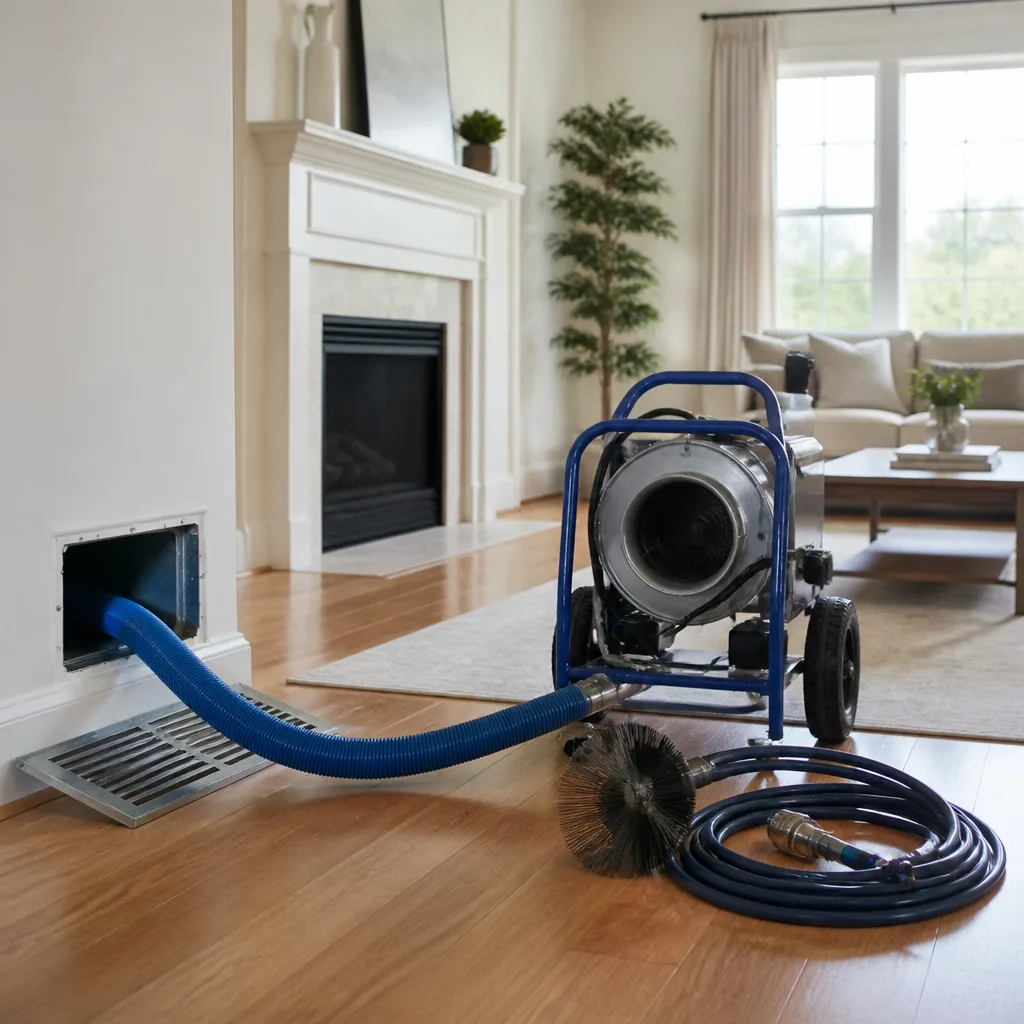 Whole-home duct cleaning
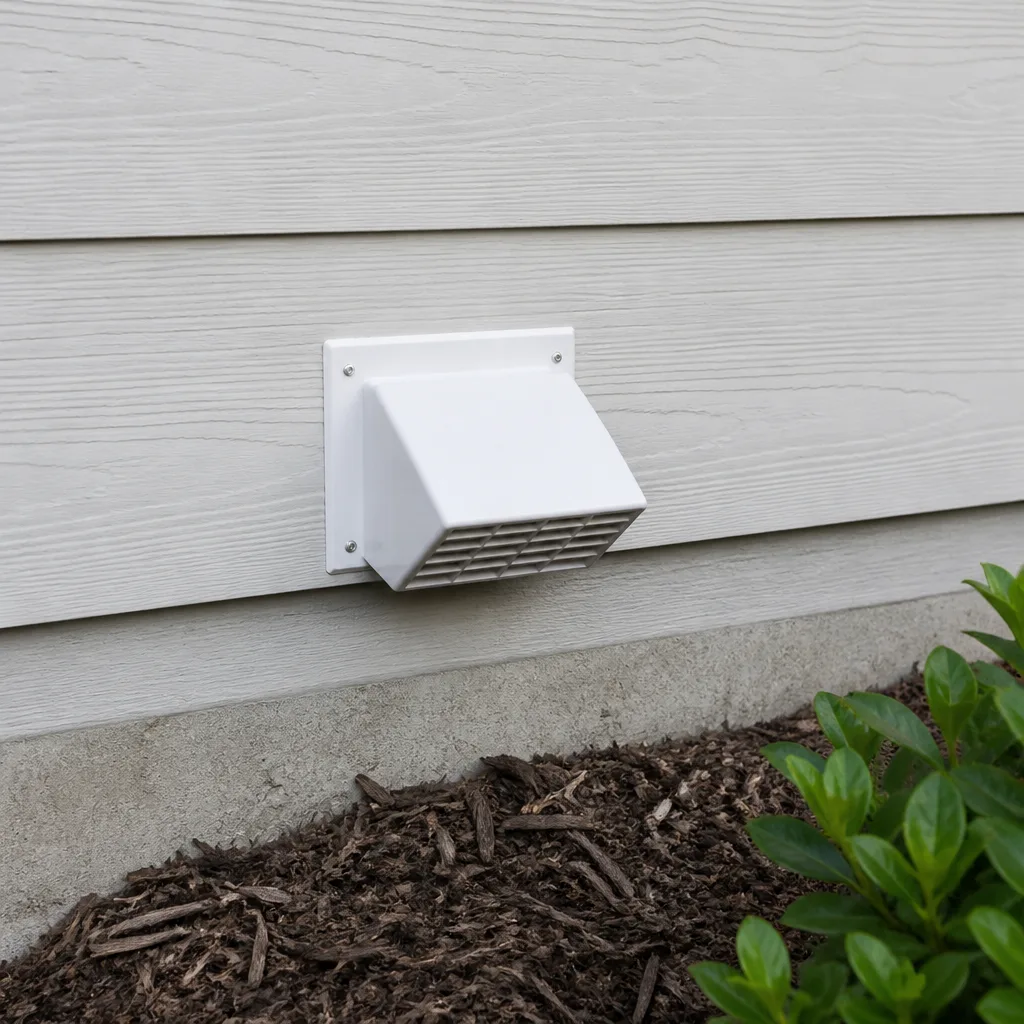 Dryer vent cleaning
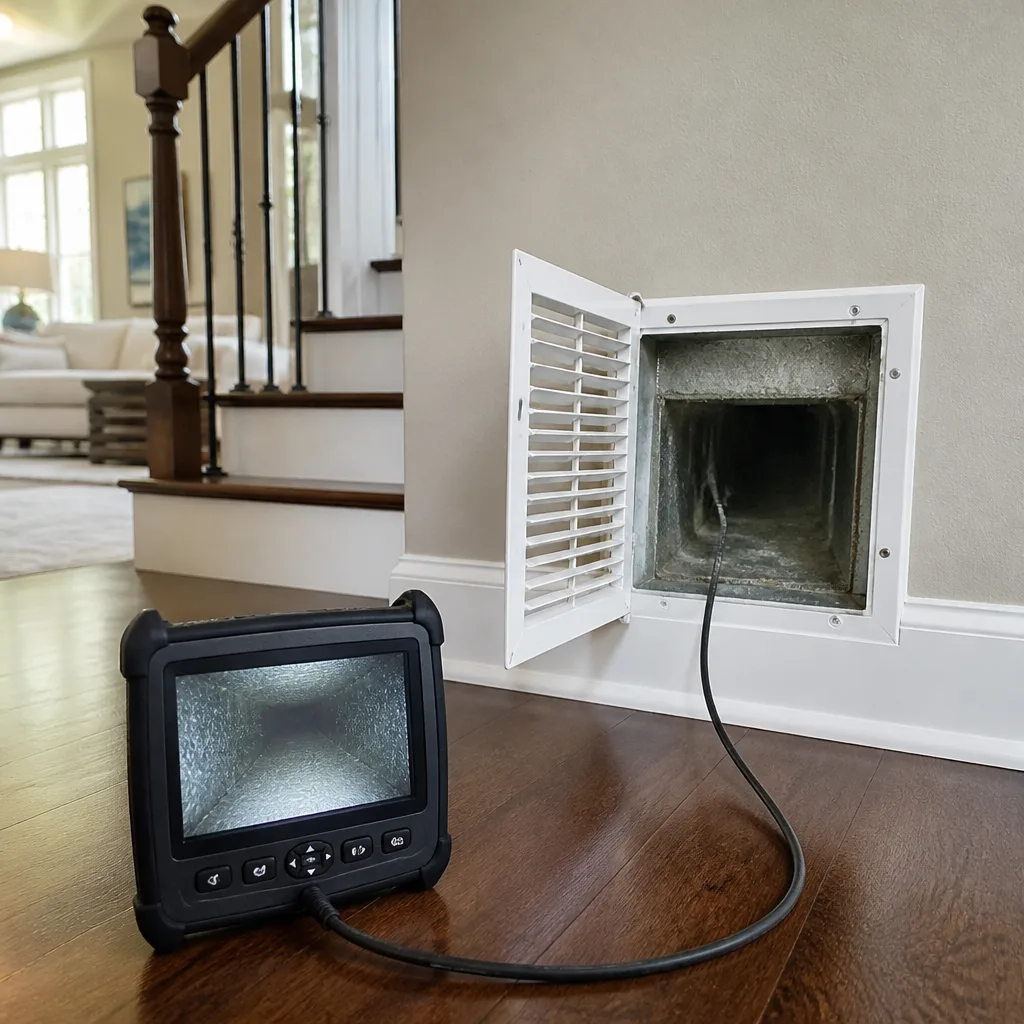 Camera inspection
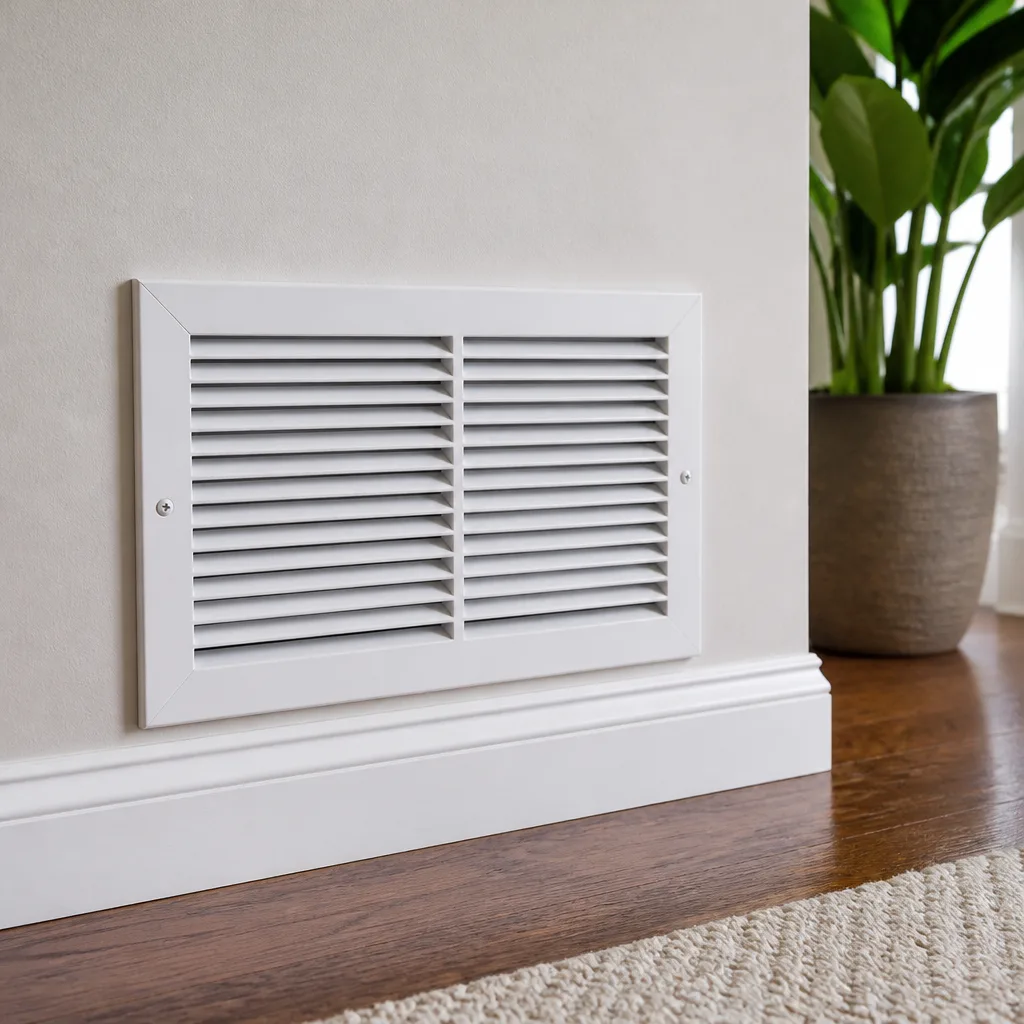 Sanitizing & deodorizing
Whole-system duct and dryer vent check with before-and-after photos - you see exactly what came out of your vents
That "$99 whole-house special" is a bait ad - the real number appears once they are in your hallway, or the "clean" is a shop-vac at the register. We photograph the inside of your ducts before and after instead.
Choosing the Right Air Duct Cleaning Brand: A Buyer’s Guide for Westminster
The largest national duct cleaning franchises train to a franchise standard, not a remediation standard. Those two things are not the same, especially when a system is carrying years of accumulated debris and needs actual source removal rather than a surface pass with a spinning brush. Brand recognition tells you the company follows a playbook. It doesn’t tell you what equipment shows up, how the work is contained, or whether anyone on site can recognize a compromised duct run when they see one. This guide is about evaluating capability instead of logos. By the end, you’ll know what separates a specialist from a marketing operation, and how to judge the air duct cleaning companies working in Westminster on evidence you can verify yourself.
Quick Answer
Choose an air duct cleaning company in Westminster by capability, not brand name. That means confirming the equipment is professional-grade (HEPA vacuum units, agitation tools, negative-air containment), checking that technicians are trained to a recognized credential like NADCA’s, and reading reviews for signs of real technical work rather than friendly service alone. A franchise with a familiar logo and a specialist with remediation-level tools are not interchangeable, and the difference shows up in what comes out of your ducts.
Styles & brands we work with
- Whole-home duct cleaning
- Dryer vent cleaning
- Camera inspection
- Sanitizing & deodorizing
Table of Contents
- Why “brand” is the wrong question in Westminster
- Franchise consistency vs. specialist depth
- Reading a company’s equipment like a technician
- NADCA certification: the credential that crosses brands
- How to read reviews for duct cleaning specifically
- Containment and negative air: the process most people never see
- Why a locally-rooted Westminster specialist answers for its work
- A step-by-step callback checklist
Why “brand” is the wrong question in Westminster
Homeowners in Westminster search for the “best air duct cleaning company” and end up comparing names and logos. That’s understandable, but it’s the least useful filter available. A familiar logo tells you how well a company markets. It tells you almost nothing about the vacuum it uses, the filter it runs, or whether the technician can tell a crushed flex run from a properly hung one.
Westminster’s housing stock makes this matter more than it would in a newer metro. Much of the city was built out across the 1970s through the 1990s, with a mix of older ranch homes, mid-century subdivisions, and newer infill near the US 36 corridor and the neighborhoods around the Westminster Station area and Legacy Ridge. Those decades matter to ductwork. Systems from the 1970s and 1980s often use rigid galvanized trunk-and-branch designs with flex connections at the registers, and that flex is where debris collects and where connections loosen over time. By the time a homeowner in Westminster suspects their ducts need attention, the problem is usually more than dust on the walls of the duct. It’s accumulated material at the joints, the return plenum, and the transition points.
A company that runs a truck-mounted vacuum and a spinning brush for an hour can make a duct look cleaner. A company equipped and trained to do actual source removal will clean the system, inspect it, and tell you what the ducts look like on the inside. Those are different levels of work. The brand question won’t get you there. The capability question will.
Our own answer to the brand question is simple. We’re a Westminster specialty operation built around professional equipment and process, and we think every homeowner deserves a way to measure any company that way. What follows is the framework we’d want a skeptical neighbor to use on us.
Franchise consistency vs. specialist depth
National franchises sell consistency. Walk into a franchise duct cleaning company anywhere and you get a similar van, similar uniforms, similar paperwork, and a similar standard pitch. That’s a real benefit for a homeowner who wants predictability and no surprises.
The catch is that a franchise standard is a floor, not a ceiling. Franchise training is designed so that every operator can deliver the same reliable baseline. That baseline is often a decent cleaning of a lightly soiled system. It is not typically designed for the contaminated case – the post-renovation home full of drywall dust, the house where pets lived for a decade, the HVAC system that’s been pulling in construction debris from an unfinished basement.
- Franchise advantages: predictable experience, standardized pricing structure, national customer service escalation, and a recognizable name if you move to another city.
- Franchise limits: training is often designed for the average job, and technicians rotate. The person who cleans your ducts may be brand new this week.
- Specialist advantages: deeper tooling, more flexibility on difficult or contaminated jobs, and more likely to have the diagnosis skill to tell you why your ducts got dirty in the first place.
- Specialist limits: quality varies widely between independents, so you have to actually verify the equipment and credentialing.
For a Westminster homeowner with a lightly used system and a modest dust concern, either model can do the job. For a homeowner who just finished a kitchen remodel, adopted two dogs, or has a family member with allergies and asthma, the specialty model wins on nearly every measure. The right question isn’t “which brand,” it’s “which standard does this company actually work to.” Our answer is that our work is anchored in Westminster Air Duct Cleaning Pros equipment and process, which on any job includes Rotobrush agitation systems, Nikro HEPA vacuum units, and Abatement Technologies negative-air filtration. That is remediation-grade tooling, and it’s the difference makers in the category.
Reading a company’s equipment like a technician
You don’t have to become a duct technician to judge equipment. You just need to know what each category of tool actually does and whether a company has it. When you call for a quote, ask the technician directly: “What equipment comes into my home?” The answer will tell you most of what you need.
- Source vacuum (HEPA-rated). A true HEPA vacuum captures fine particulate as it’s pulled from the system. A shop-style vacuum with a bag, or a “hi-power” vacuum with no rating, does not. In our work we run Nikro HEPA units because on a typical Westminster home the fine dust fraction is what causes the most airborne allergen problems after cleaning.
- Agitation tools. Vacuuming alone doesn’t fully dislodge caked debris from duct walls. You need a mechanical agitation head – the Rotobrush is the standard example – to pull material free while the vacuum is capturing it. Ask specifically whether agitation is used on every run or only on the trunk line.
- Contact vacuuming for plenums and boots. The return plenum and the boot connections at each register hold the most debris and are where a truck-and-vac-only crew can miss the worst of it. A company equipped for hands-on contact vacuuming will clean those areas properly.
- Negative-air containment. This is the tool category most homeowners don’t know to ask about. A negative-air machine, like an Abatement Technologies unit, creates low pressure in the work zone so dislodged dust is pulled into a filter instead of puffing into the living space. If a company says “we bring a vacuum and we clean your ducts” but doesn’t mention containment, ask directly how they prevent redistribution.
- Camera inspection. A technician with a borescope or inspection camera can show you the interior of the duct before and after. That’s how you verify the work actually happened.
A crew with a shop vac and a brush can technically inflate and wipe. A crew with these tools can clean. For a Westminster homeowner, that’s the distinction that matters most in the whole buying decision. It’s also the one that’s hardest to fake. Our air duct cleaning process is built around this full equipment set on every job, which is why a customer with a difficult system gets a real cleaning rather than a polite one.
NADCA certification: the credential that crosses brands
The one credential that matters more than any brand name is NADCA – the National Air Duct Cleaners Association. NADCA publishes the accepted standard for how residential duct cleaning should be done, and its certification program requires training on that standard. The credential is brand-agnostic: it says nothing about which franchise or independent a company works for and everything about whether the technician understands the standard.
When you’re evaluating a Westminster duct cleaning company, ask whether technicians are NADCA-certified. It’s not a magic guarantee, but it does filter out the largest category of operators: the crews trained only on their own company’s sales pitch. Certified technicians learn to inspect before cleaning, use negative air, and evaluate the system for damage rather than only pushing a spinning brush through it.
If a company is not NADCA-certified but can describe a rigorous, standards-aligned process (containment, HEPA vacuum, agitation, camera inspection, before-and-after documentation), that’s still a serious operator. What you should avoid is a company that has no credential, no process description, and a low headline price. That combination is where the bait-and-switch pattern lives.
Quick note on estimates: A fair written estimate covers the scope of the work – how many runs will be cleaned, whether plenums and boots are included, what containment is used, and what documentation you receive. If the estimate is one number with no scope, you don’t have an estimate. You have a price, and prices change once the technician is on site.
How to read reviews for duct cleaning specifically
Reviews for plumbers and electricians are useful because the work leaves a visible result: water runs, lights turn on. Duct cleaning is different. The result is invisible to most homeowners afterward, so reviews have to be read for specific clues that real technical work happened. Pattern-match for these signals rather than scanning for star ratings.
- Mentions of before-and-after photos or a camera inspection. Real customers remember being shown the inside of their ducts. Generic “they were nice and on time” reviews often don’t.
- Descriptions of containment and cleanup. A review that mentions the crew laid floor protection, used plastic, and left the home cleaner than they found it suggests a disciplined process. Reviews that mention dust settling on furniture after the job are a warning sign.
- Specific airflow or allergy improvements. “My son’s asthma improved” is a harder claim to fake than “great service.” Look for reviews where the customer describes a change, not just a pleasant interaction.
- Honest scope-setting. Reviews mentioning “they told me I didn’t actually need X” are strong trust signals. A company willing to talk a customer out of work is a better bet than one that finds something new to add on every visit.
- Detail about equipment. When a customer mentions the “HEPA vac” or “the camera” or that the crew discussed containment, that’s a technical reviewer, and their review carries more weight.
- Response to complaints. Real companies get complaints. How a company responds – directly, respectfully, with follow-through – tells you more than any five-star string.
What to discount: reviews written the same week as a promotional price campaign, reviews that are only one sentence long, and reviews complaining about a much larger final bill than the quoted price. Those price surprise reviews are the industry’s chronic problem, and a serious specialist should be able to point to a written estimate standard that prevents it. We address the price surprise directly with a fixed scope agreed before any work begins, and by showing customers before-and-after photos of their own system, not stock pictures.
Containment and negative air: the process most people never see
When a duct cleaning crew removes debris from inside your ducts, that debris has to go somewhere. If your HVAC system is running during the cleaning, or the crew isn’t controlling airflow, dislodged dust can blow back into registers and into the living space. Homeowners who hire a low-cost service and later complain their home feels dustier than before are often victims of this exact failure.
Negative-air containment solves it. Technicians set up a machine that pulls air through a HEPA filter, creating slight negative pressure in the room and at the register openings. Dislodged dust gets captured at the source. Combined with blocking off the HVAC air handler so the fan doesn’t circulate, the result is a controlled cleaning environment rather than a redistribution event.
- Block the air handler. The system should be isolated so return and supply air aren’t circulating during the cleaning.
- Set containment at each register. A HEPA-rated negative air machine is placed to create a pressure differential so air flows into the machine, not out of the ducts.
- Agitate and vacuum simultaneously. The brush runs while the vacuum pulls, so dislodged material is captured as it separates from the duct wall.
- Contact-clean plenums and boots. The areas a rotating brush can’t reach get hand-cleaned with a HEPA vacuum and a contact tool.
- Inspect and photograph. Before-and-after inspection closes the loop and gives the homeowner proof.
This five-step process is what “contained cleaning” means. On a Westminster job in a finished basement, where dust in the living area would be immediately obvious, containment isn’t optional. Nor is it optional in any home with allergies, infants, or a family member who’s just had a respiratory illness. When you call a company, ask them to describe the containment step. If they can’t, that’s your answer.
Why a locally-rooted Westminster specialist answers for its work
National chains have a structural problem that a local Westminster specialist doesn’t. The corporate brand carries the risk, but the local operator delivers the work, and when those two interests diverge, the customer pays. A franchisee under pressure to hit a monthly target has a different set of incentives than a specialist whose business depends on the next-door neighbor of a satisfied customer.
Westminster’s housing variety rewards local familiarity. A specialist working regularly in the city learns how the ducts behave in the older ranch neighborhoods near 80th Avenue and Federal, how the 1990s subdivisions around Legacy Ridge are laid out, and how the newer builds near the Westminster Station redevelopment are configured. That’s not marketing language, it’s working knowledge. A rotating national crew has no such history.
Accountability is the bigger issue. When a Westminster homeowner calls back six weeks after a cleaning because a return grille is still rattling or the airflow in an upstairs bedroom hasn’t improved, the local specialist is the one who answers. National brands have corporate support and a customer service queue. The owner of an independent local shop has a phone number and a reputation in a small market. That’s a real difference in who shows up when something needs to be made right.
A local specialist is also more likely to carry the full range of related services without subcontracting. Our work covers the full system – cleaning, dryer vent cleaning, HVAC cleaning, duct repair and sealing, and air quality sanitizing with Aprilaire or Honeywell products when a microbial concern or odor makes it appropriate. Not every job needs all five. But a customer who needs two of them shouldn’t have to coordinate two or three companies for it.
A step-by-step callback checklist
Here’s how to run the actual evaluation. This is the script we’d want a skeptical homeowner to use on us and on every other Westminster duct cleaning quote they get. It’s short, and it separates serious operators from the rest inside of ten minutes.
- Ask: “What equipment comes into my home?” Listen for HEPA vacuum, agitation head, and negative-air machine. If the answer is only “a big truck vacuum and a brush,” ask how they contain dust.
- Ask: “Do your technicians hold NADCA credentials?” Then verify by asking about their process. A certified company will describe the standard naturally.
- Ask: “What’s included in the quote?” The answer should specify number of runs, plenum and boot cleaning, and whether camera inspection is included. A one-line price is not an estimate.
- Ask: “Do you provide before-and-after photos of my own system?” A yes means the company intends to show you. A no means you’ll have to take their word for it.
- Ask: “Will you check for duct damage while you’re inside?” Ducts develop leaks at joints and flex connections. A company that inspects for this and can quote duct sealing gets to the root problem.
- Ask: “Do you also do dryer vent cleaning?” Dryer vents are the fire-safety end of the same trade. If the answer is “we can add it on,” ask whether that’s a dedicated service with proper tooling or an afterthought.
- Check the estimate in writing. Confirm the scope, price, and process before you book. Our flat price for the job is set in the written estimate, and the customer sees the number before any work begins.
Run these seven questions with anyone you’re considering. The pattern of answers tells you whether you’re hiring a specialty operator or a sales visit.
Common Mistakes to Avoid
- Choosing on price alone. The lowest quote in Westminster usually means the least equipment on site. A price that seems comfortable before the visit often grows once the technician is inside, and a written estimate should prevent that.
- Not asking about containment. If the crew doesn’t set up negative air and block the air handler, the debris that comes loose can end up in the living space. Ask the question directly, and listen for a specific process answer.
- Believing “we’ll show you a video” without confirming the inspection happens. Some companies show generic stock footage. Ask for photos of your own system.
- Cleaning without addressing duct leaks. Cleaning a leaky duct system is only a partial fix. If joints and flex connections are compromised, air loss continues after the cleaning. Duct repair and sealing is the service that closes that loop.
- Treating dryer vent cleaning as an afterthought. Dryer vents accumulate lint, and lint is what ignites. A dedicated dryer vent service with the right brush and vacuum is not the same as a technician with a leaf blower and good intentions.
- Skipping the sanitizing question entirely. If pets lived in the home, if there’s been water intrusion, or if the ducts have an odor, a sanitizing treatment after cleaning can help. Aprilaire and Honeywell products are made for this, and a serious company will offer them as part of a full-service visit, not as a random upsell.
- Hiring whoever answers the phone first. Ductwork has real systems in it – the plenums, transitions, boots, and the air handler. Whoever handles yours should have the tooling to work on the full system. It’s worth the two extra phone calls to confirm that.
See the difference
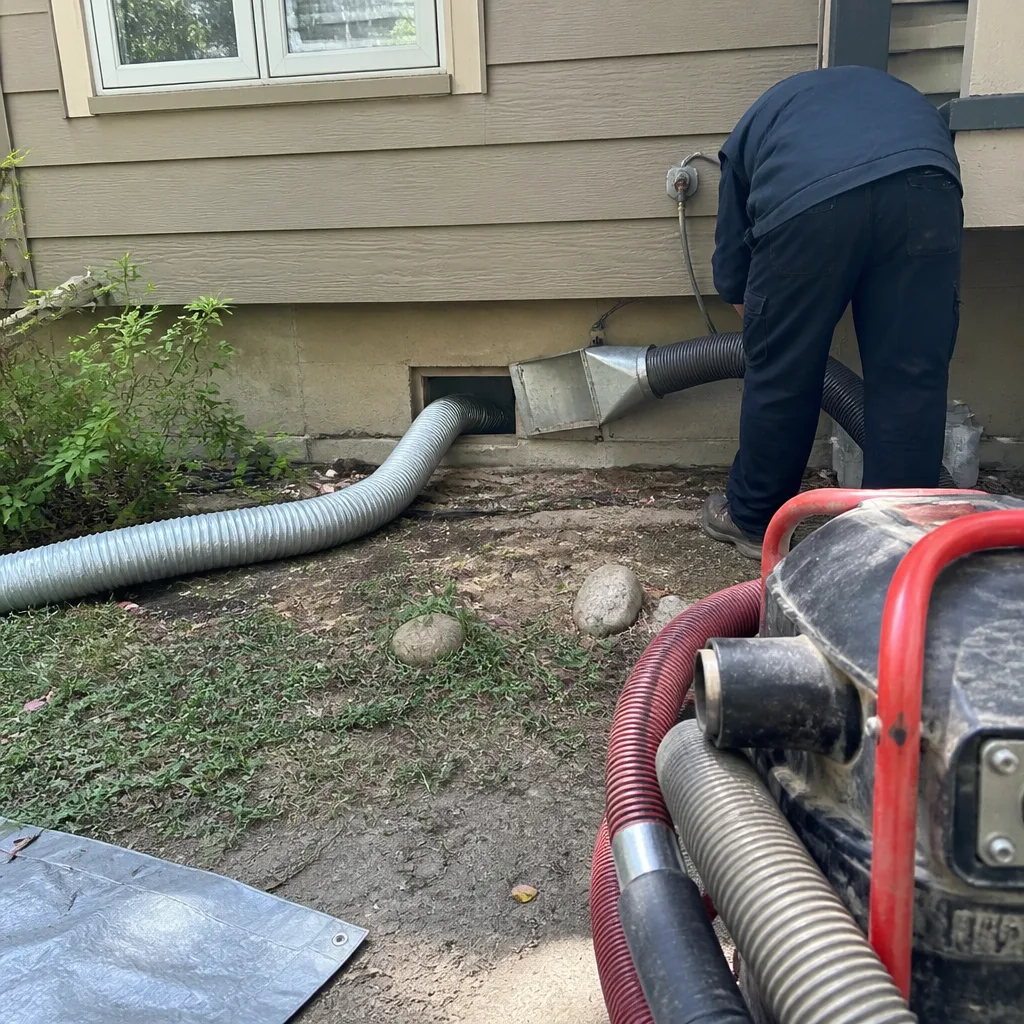 Before
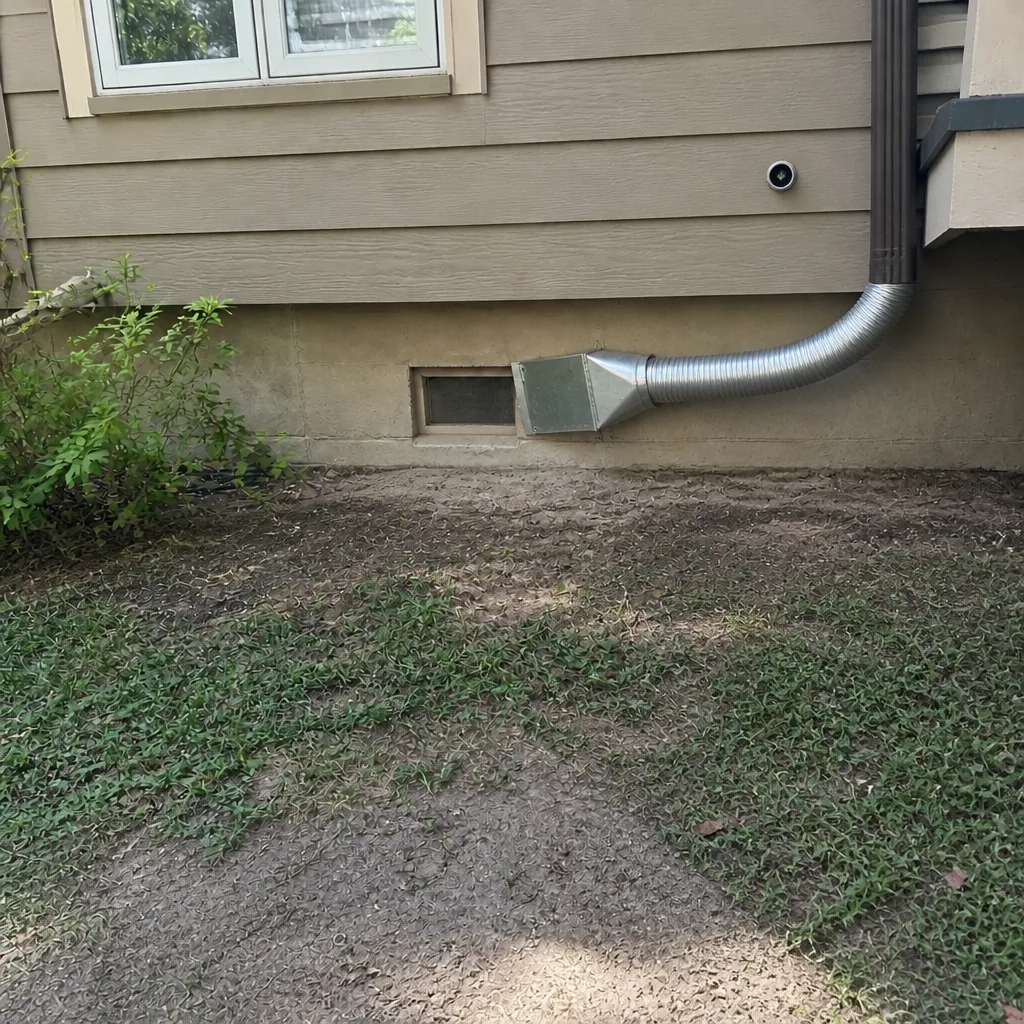 After
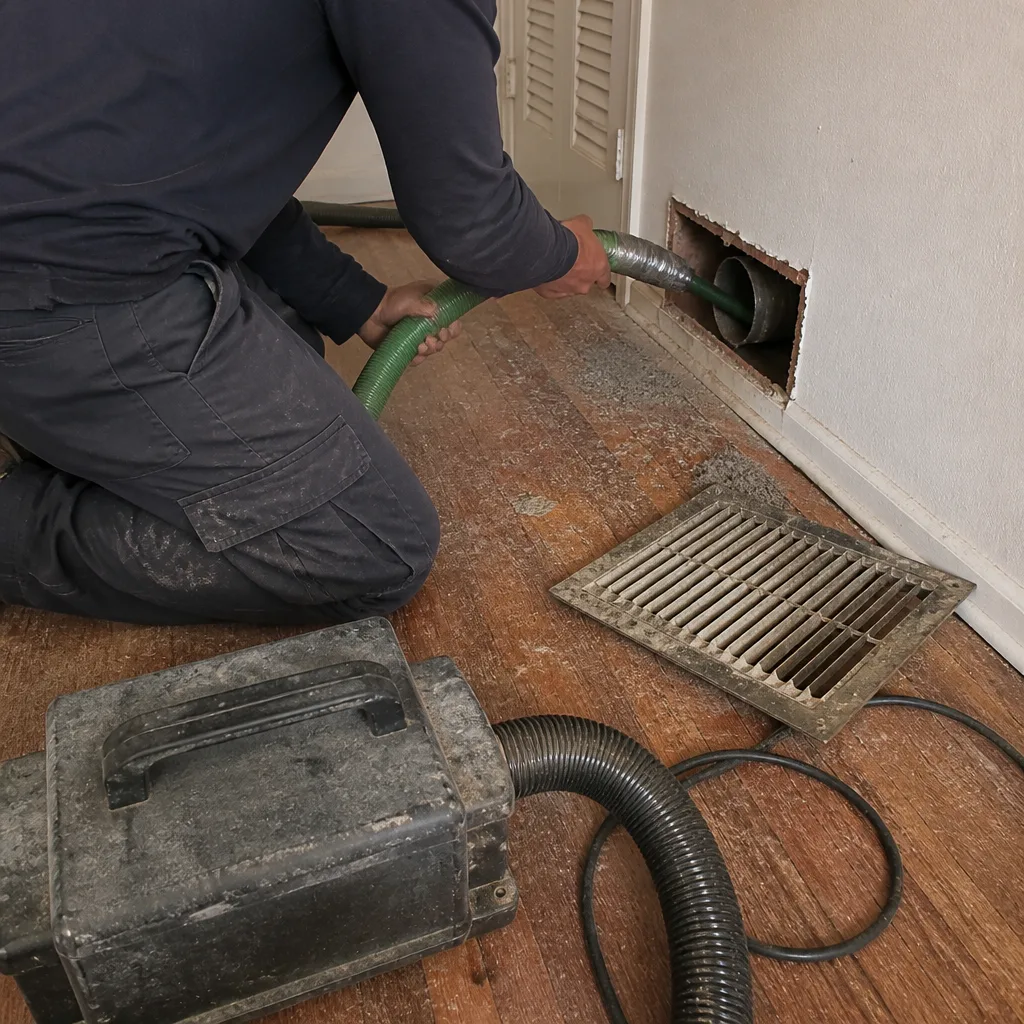 Before
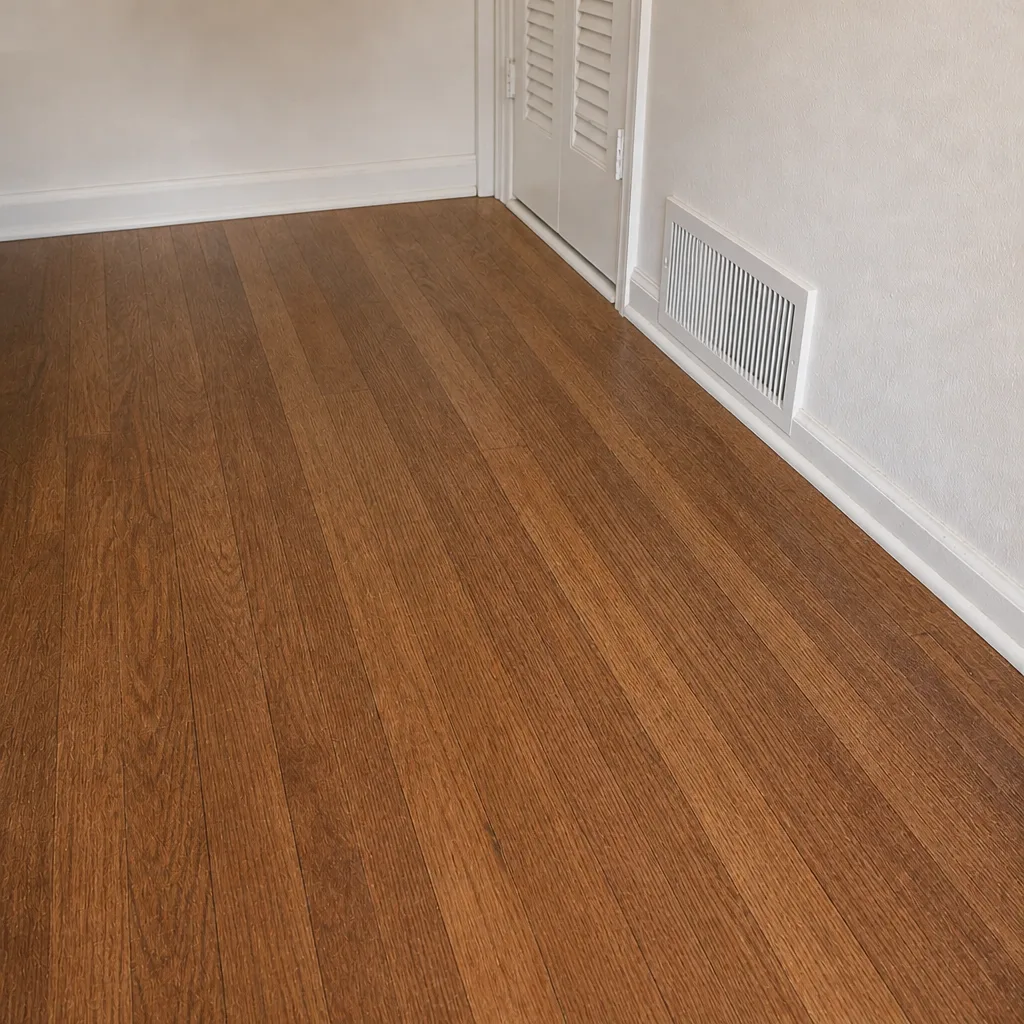 After
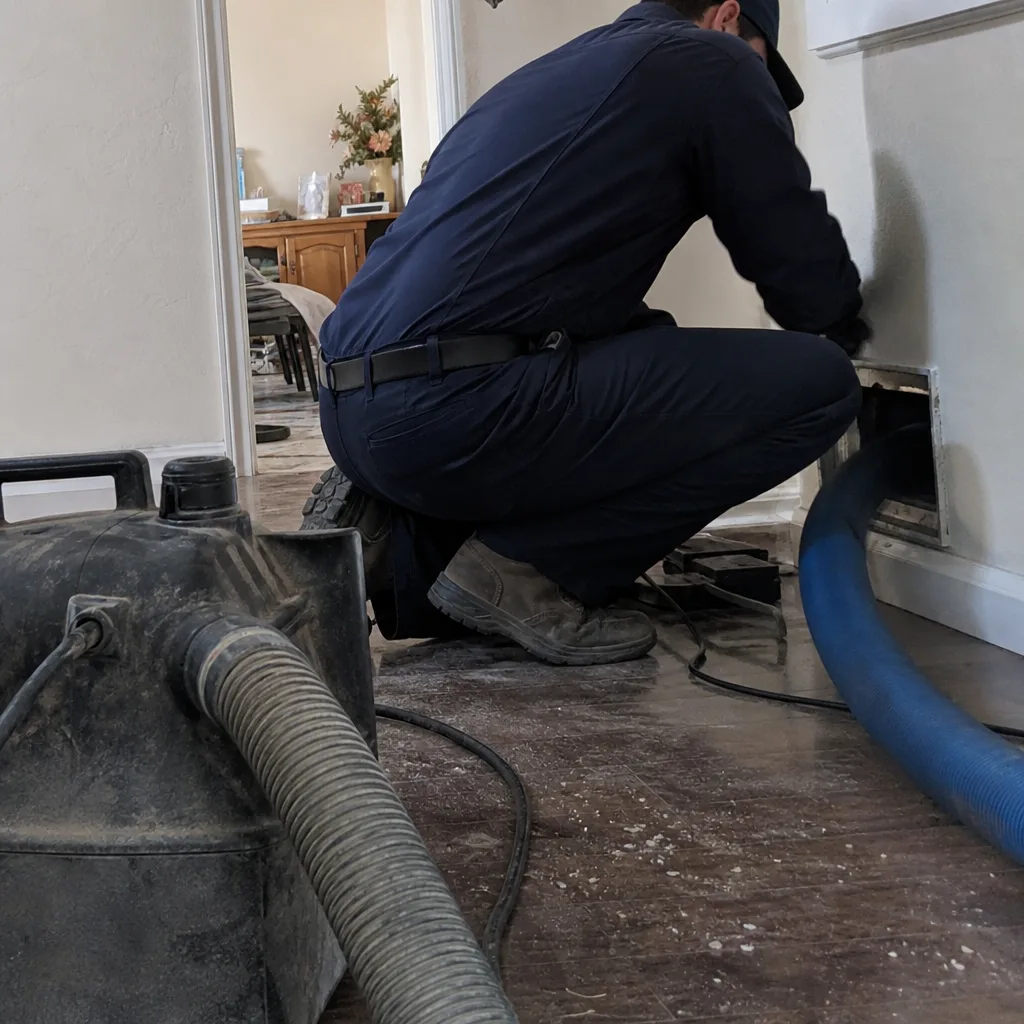 Before
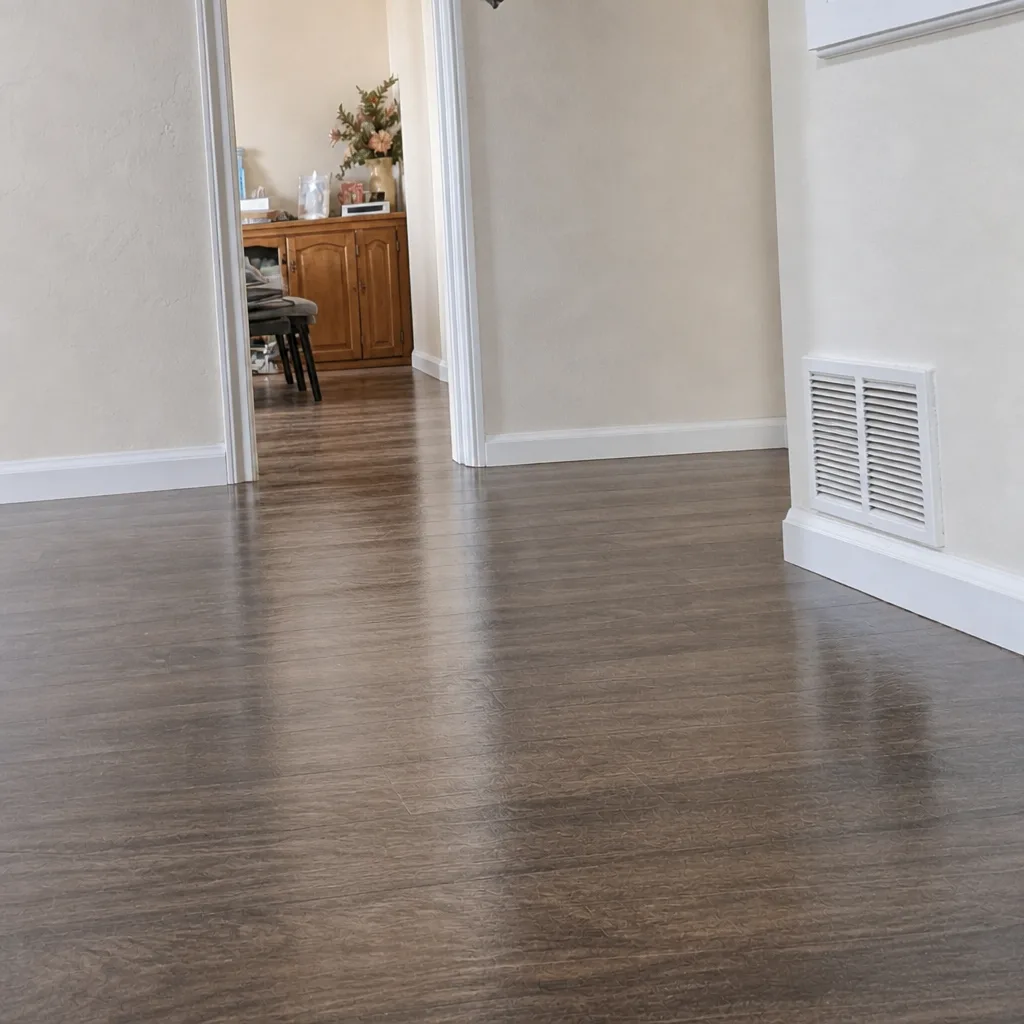 After
When to Call a Professional
You need a professional duct cleaning call if you’ve recently renovated or had major drywall work, if you’ve moved into a Westminster home whose duct history you don’t know, if several people in the house are experiencing allergy symptoms that worsen indoors, or if you have pets and can see dust film reappearing within days of cleaning. The same goes for any home where the registers look visibly soiled, where a musty smell follows the HVAC, or where airflow to certain rooms has clearly declined. Do not attempt a whole-system cleaning yourself. The dust load alone makes a bad DIY job, and duct damage is easy to cause with improvised tools. Westminster Air Duct Cleaning Pros offers free estimates in Westminster – call (833) 736-5689. We answer 24/7. Fast dispatch from 7am to 7pm, Sunday through Friday. Our technicians have up to 15 years of experience, and every quote is a flat number for the scope, set in writing before any work begins.
Frequently Asked Questions
The best company is the one that operates to a remediation standard, not a franchise standard. In practice, that means a Westminster duct cleaning company using professional equipment (HEPA vacuum, agitation, negative-air containment), with NADCA-certified technicians and a written scope estimate. Brand name matters far less than whether those elements are present. Ask each company you call the seven evaluation questions above, and you’ll have a clear answer in minutes. Call (833) 736-5689 for a free estimate and we’ll walk you through exactly what our process includes.
It matters in two specific ways: consistency and accountability. A national franchise delivers a predictable baseline, which is real but is usually a floor rather than a ceiling. A local independent can go deeper on difficult or contaminated jobs and is more likely to answer directly when you call later about a concern. Many locals are not equal, so verify equipment and credentialing. Call (833) 736-5689 if you’d like a free estimate from a Westminster specialist and a clear scope in writing.
Ask about three things: a HEPA-rated source vacuum, a mechanical agitation head for duct walls, and a negative-air containment machine. Ask whether the crew uses a camera inspection before and after cleaning. On a Westminster home, those four items separate a real cleaning from a surface pass, and any serious company can describe them in plain terms. If a company can’t, ask how they prevent dust from re-entering the home. Call (833) 736-5689 for a free estimate – we bring Rotobrush, Nikro, and Abatement Technologies equipment to every job.
Air duct cleaning is priced per system, not per vent, and the price reflects the scope of the job. A lightly soiled system in a modest home costs less than a heavily contaminated system in a larger house or a system that needs duct sealing alongside the cleaning. The fair approach is a written estimate that lays out the number of runs, whether plenums and boots are included, and what containment and inspection you receive. Call (833) 736-5689 for a free estimate in Westminster and we’ll set a flat price for the scope in writing before any work begins.
Cheap quotes usually cut two things: equipment and containment. A company without a HEPA setup, agitation tools, or negative air can price lower because it brings less into the home. The price surprise often arrives after the technician has been inside, when a scope change inflates the bill. The defense is a written estimate that specifies the scope and price before any work begins. We work to that standard, and before-and-after photos of your own system are part of how we prove the work to you. Call (833) 736-5689 for a free estimate.
Ask for before-and-after photos from a camera inspection of your own ducts – not stock pictures. A technician who inspects the system before cleaning and again afterward can show you exactly what came out of your ductwork and what remained afterward. Combined with a written scope estimate and a description of the containment used, you shouldn’t have to take anything on faith. Our process includes the inspection and photographic proof on every job. Call (833) 736-5689 for a free estimate in Westminster.
There’s no single right interval – it depends on the home. A clean household with no pets usually goes several years between cleanings, while homes with pets, recent renovation dust, smokers, or allergy sufferers typically benefit from a shorter cycle. Westminster’s older housing stock, with rigid trunk systems and flex connections, tends to accumulate debris at joints and transitions even in homes that look clean inside. If a cleaning is due, ask that leaks be checked at the same time. Call (833) 736-5689 for a free estimate and a recommendation based on your specific home.
The Bottom Line
Choosing an air duct cleaning company in Westminster is a capability question dressed up as a brand question. Franchise logos are not a quality signal; equipment is. Look for HEPA vacuum systems, mechanical agitation, negative-air containment, and camera inspection. Verify NADCA training where you can. Read reviews for the details only a real technical visit produces – photos of the customer’s own ducts, mention of containment, honest scope-setting, and before-and-after results. And refuse the price surprise by insisting on a written scope estimate with a flat number before anyone opens a duct. A company that answers these questions clearly is a company you can trust with your system. That’s the standard we hold ourselves to in every Westminster home we work in.
Call (833) 736-5689 for a free estimate. We answer 24/7. Fast dispatch from 7am to 7pm, Sunday through Friday. One flat price per system, set in writing before work begins, with before-and-after photos of your own ducts and a team whose technicians have up to 15 years of experience.
Written by the team at Westminster Air Duct Cleaning Pros.