
Last updated November 25, 2026
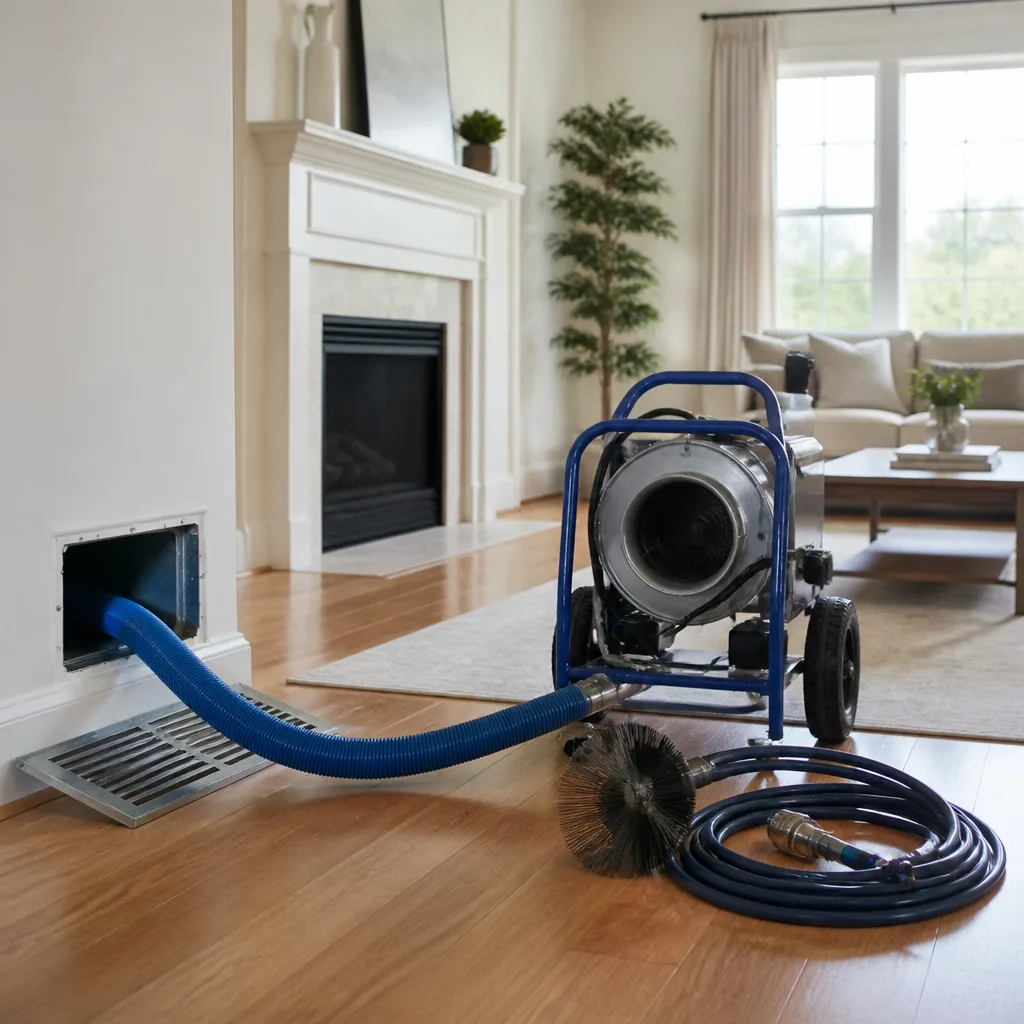 Whole-home duct cleaning
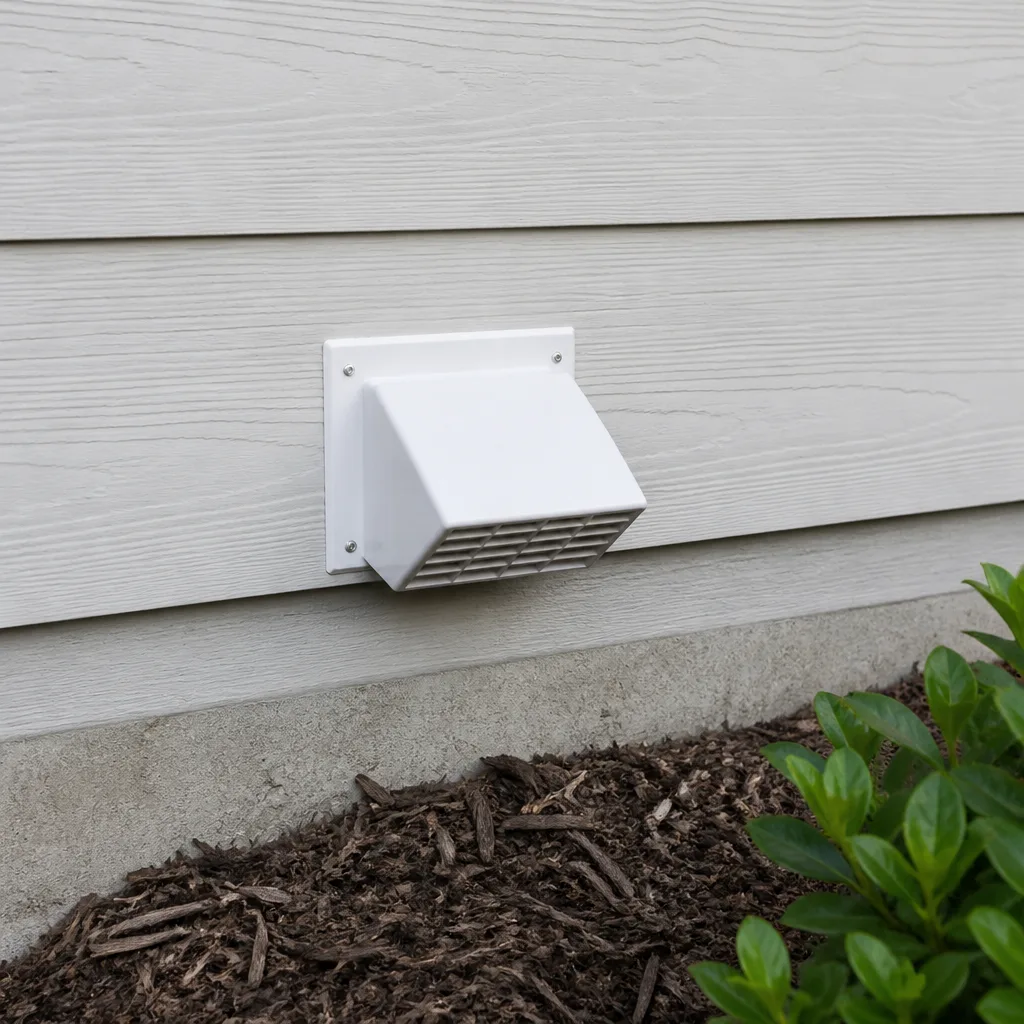 Dryer vent cleaning
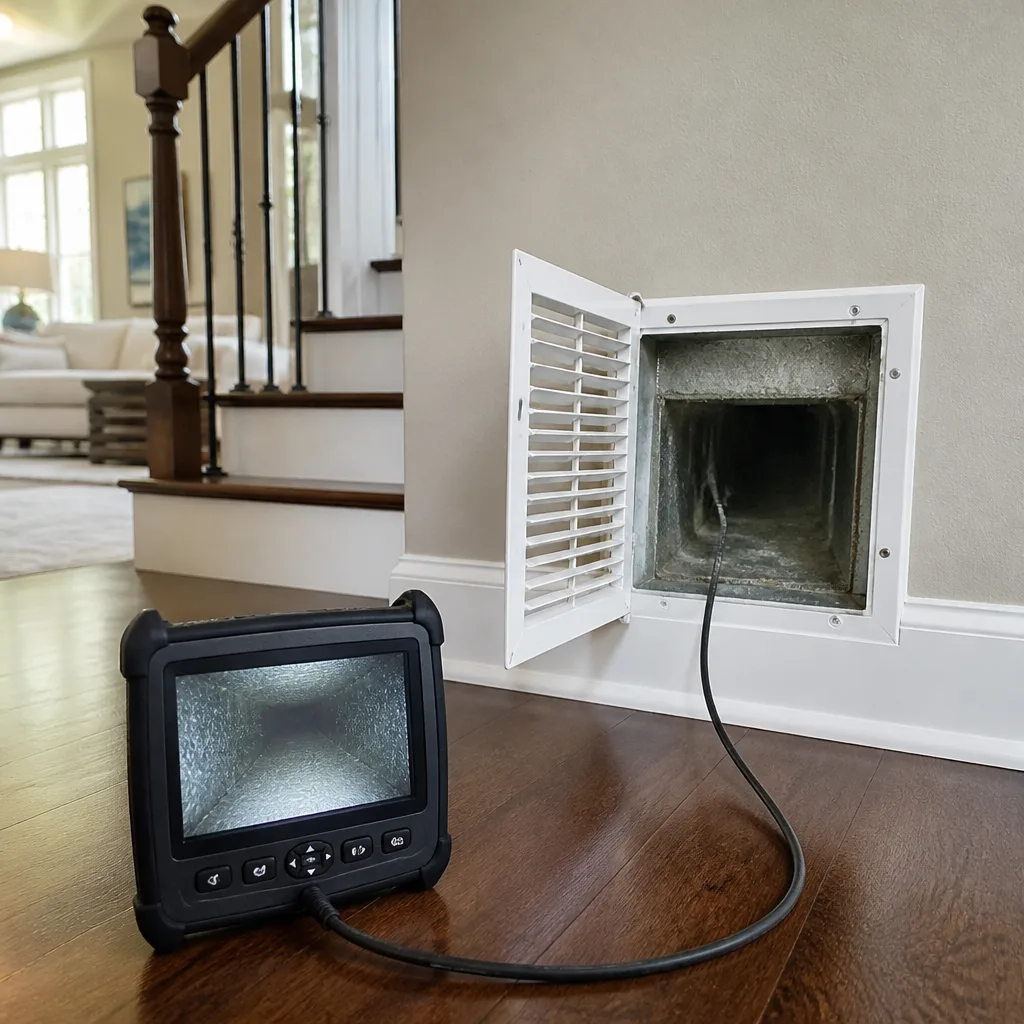 Camera inspection
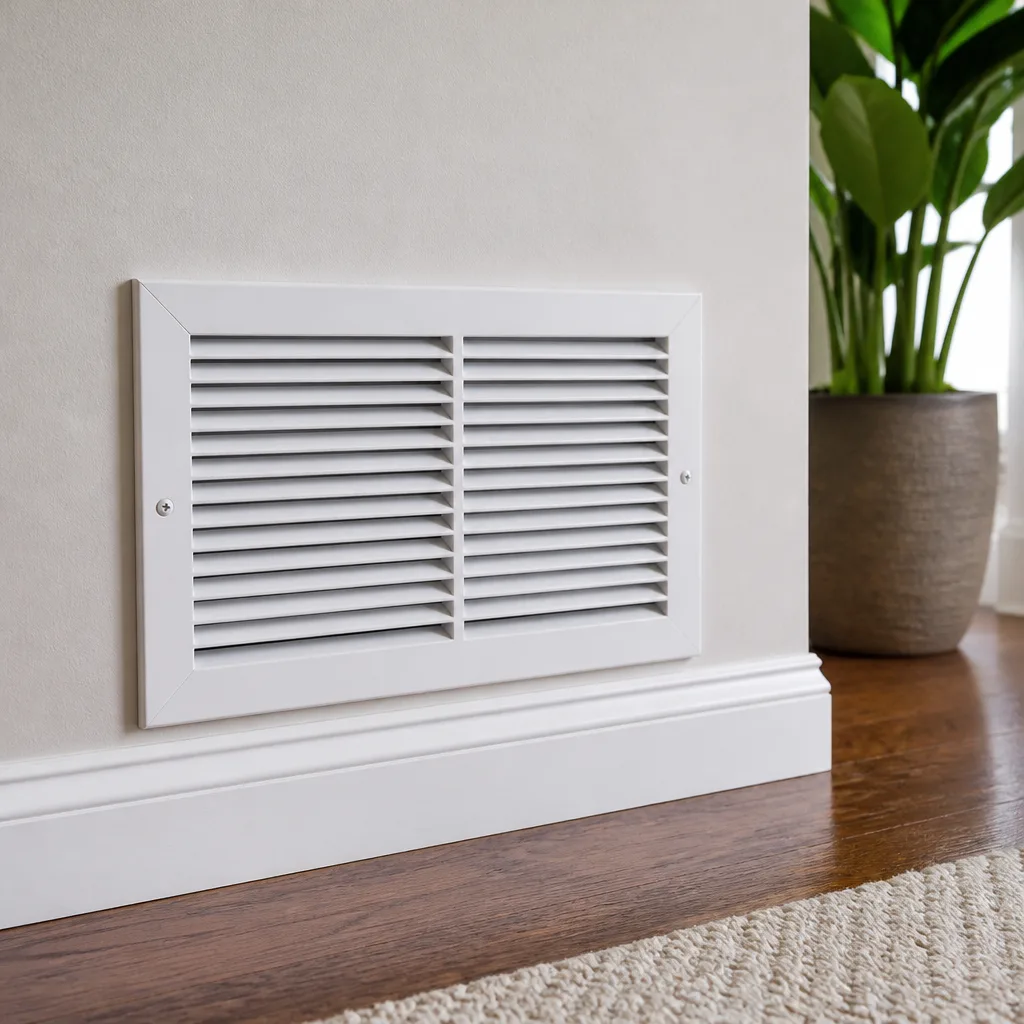 Sanitizing & deodorizing
Whole-system duct and dryer vent check with before-and-after photos - you see exactly what came out of your vents
That "$99 whole-house special" is a bait ad - the real number appears once they are in your hallway, or the "clean" is a shop-vac at the register. We photograph the inside of your ducts before and after instead.
The Complete Guide to Air Duct Cleaning in Westminster
Most homeowners assume duct cleaning is a spring-cleaning task, something to schedule when the vents start looking dusty. That instinct gets the timing wrong in a place like Westminster. The real driver isn’t appearance, it’s accumulation rate, and the semi-arid Front Range climate loads a duct system faster than most people expect. This guide explains what actually builds up inside ducts here, why the equipment matters far more than the price tag, what a legitimate cleaning involves, and how to tell whether the work you were sold matches the work that was done. Whether you’re in Legacy Ridge, near the Westminster Promenade, or anywhere else in the city, the answers below apply to your home.
Quick Answer
Air duct cleaning in Westminster means removing accumulated dust, pet dander, construction debris, and wildfire smoke residue from the entire duct system, not just the visible vent openings. A proper job uses negative-air containment and mechanical agitation so dislodged contaminants are captured and filtered out rather than pushed into living spaces, and it covers supply trunks, return plenums, flex branches, and the air handler cabinet in a single visit. Because Westminster’s dry, high-altitude climate keeps fine particulates airborne longer and pushes them deeper into return ducts, surface-only brushing leaves most of the load behind.
Styles & brands we work with
- Whole-home duct cleaning
- Dryer vent cleaning
- Camera inspection
- Sanitizing & deodorizing
Table of Contents
- Why Dust Behaves Differently at 5,280 Feet
- Source Removal vs. Brush-and-Blow Cleaning
- The Full Duct Ecosystem: What Must Be Cleaned Together
- What NADCA ACR Standards Actually Require
- Wildfire Smoke Seasons and the Post-Event Trigger
- The Equipment Behind a Real Cleaning
- How to Inspect Your Own Ducts Before You Call Anyone
- The Dryer Vent: Westminster’s Overlooked Fire Risk
Why Dust Behaves Differently at 5,280 Feet
Westminster sits above 5,280 feet, and the thin, dry air up here changes how particulate matter moves through a house. In humid climates, dust particles pick up moisture, clump together, and fall out of suspension quickly. They land close to where they originated and tend to stay put. Along the Front Range, humidity routinely drops into the teens, and that same dust stays light and airborne far longer. It travels farther through the airstream before settling, which means it penetrates deeper into duct branches and return runs than it would in a wetter climate.
What does that mean for your duct system? It means the fine fraction of dust, the particles small enough to stay suspended, is the fraction that reaches the interior walls of your return plenum and the far ends of your flex branches. It clings to galvanized metal through a light static charge and builds up in layers that hand-brushing can loosen but not remove. And when the system kicks on, some of that loosened material re-enters the airstream and ends up back in the rooms.
Two local factors make the loading worse:
- Winter heating season. Westminster runs furnaces for months, and every heating cycle moves hundreds of cubic feet of dry, dusty air per minute through the same ductwork. Run time equals accumulation.
- Newer construction and renovations. Areas like Bradburn, the Westminster Station district, and the neighborhoods around 104th Avenue have seen steady infill and remodeling. Drywall dust, sawdust, and insulation fibers from those projects settle into ducts and stay there for years unless the system is properly cleaned afterward.
If you’ve ever vacuumed a room and watched the dust settle back onto the same shelf a day later, you already understand the local mechanic. Dry air keeps particles aloft. Ducts are where that air spends most of its time before it reaches you.
Source Removal vs. Brush-and-Blow Cleaning
Most budget duct cleaners use a method the industry calls brush-and-blow: a rotating brush or air whip is fed into the ducts, and a blower pushes the loosened debris downstream. It looks dramatic from the vent, and it produces an impressive cloud of dust when it comes out. It also does exactly the wrong thing. It takes contaminants that were settled and makes them airborne inside an uncontrolled system, where they redeposit in the ducts, the air handler, and your rooms.
Source removal is the opposite approach. The method relies on two things working together: containment and contact.
- Containment comes first. A high-volume negative-air machine with HEPA filtration is connected to the duct system through a sealed access point near the air handler. It pulls the entire duct run under negative pressure, so anything dislodged moves toward the machine, not toward your living room.
- Contact agitation comes second. Whipping and brushing tools driven by a cable, or compressed-air tools where the duct geometry calls for them, travel the full length of each branch and scrub the interior walls. A rotary brush under a strong airstream with proper containment is the standard, whether you’re in a ranch home in Sunset Ridge or a two-story in the Ranch Reserve area.
- Filtration runs the whole time. The HEPA capture unit traps the dislodged material before any air returns to the house. Nothing is recirculated through your furnace during the job.
The practical difference shows up in how you feel the day after the cleaning. A source-removal job leaves a home that smells like the inside of a well-maintained house. A brush-and-blow job often leaves one that smells like a renovation, or worse, leaves fine dust on the window sills within 24 hours. If a quote doesn’t specify negative pressure and mechanical agitation with containment, it’s the second kind of cleaning.
When you compare quotes, ask the technician directly: what negative-air equipment goes on the truck, what agitation tools are used on flex duct versus rigid metal, and how is the air handler protected during the job. A crew that’s set up for source removal will answer those questions quickly, and in specific terms.
The Full Duct Ecosystem: What Must Be Cleaned Together
A house’s duct system isn’t one thing. It’s a network with several distinct zones, and each one collects a different kind of contamination. Cleaning one zone and skipping the others is like cleaning a single room in a house and calling the whole place tidy. Westminster homes, whether older construction near Federal Boulevard or newer builds up against the foothills, have all of these components, and they all need to be addressed in the same job.
- Supply trunks. These are the main runs that distribute conditioned air. They collect dust, but they also collect erosion debris from duct board, loose insulation fibers, and, in older Westminster homes, construction dust from decades ago.
- Return plenums. This is where the real accumulation happens in a dry climate. The return pulls air back from every room in the house, and every bit of airborne dust, pet hair, and dander it carries ends up pressed against the interior walls of the return plenum and trunk.
- Flex branches. The flexible, corrugated runs that feed individual rooms trap dust in every ridge, and they’re the most common spot for rodent activity and condensation damage. They need gentle, purpose-built agitation, not a stiff brush, which can tear the liner.
- The air handler cabinet. The box that houses the blower and coil. If it’s not cleaned, contaminants sitting inside it re-contaminate the airstream the moment the system runs. Cleaning the ducts and leaving this box dirty is a job that never actually achieved what it was supposed to.
- Registers, grilles, and diffusers. The visible faces. They need to come off, get washed, and go back on after the interior work is done.
What that means is that a single job, done correctly, treats the whole system at once. If you clean the supply side but not the return, the return keeps feeding contaminants back in. If you clean the ducts but leave the air handler cabinet untouched, the system recontaminates itself within weeks. Some homeowners call us after a previous cleaning only to discover that two of the five zones above were never touched, which is exactly why we walk through all five in one visit. The full picture of your duct system is the only picture worth cleaning.
For the cleaning work itself, see our air duct cleaning page. If the air handler is part of the picture, our HVAC cleaning service addresses the blower, coil, and cabinet in coordination with the duct work.
What NADCA ACR Standards Actually Require
The National Air Duct Cleaners Association publishes the ACR standard, the Assessment, Cleaning, and Restoration guide that defines what a legitimate duct cleaning comprises. On paper it’s a fairly modest document. In practice, the ACR standard is the yardstick that separates a real cleaning from a sales call with a shop vac.
What ACR actually requires:
- An assessment before cleaning. The technician must evaluate the system, identify the contaminants present, and determine what needs cleaning and why. Skip this step and you get a cleaning that addresses symptoms rather than sources.
- Source removal, not encapsulation. Contaminants have to be physically removed from the system, not sealed in place with a coating. Encapsulation is only appropriate in specific restoration scenarios, not routine cleaning.
- Negative pressure and containment during cleaning. The system must be under negative pressure with HEPA filtration, and every opening not being actively worked must be sealed. Otherwise you’re moving dust around, not removing it.
- Cleaning of the complete system. That includes the air handler, coil, plenum, and all branches, not just what’s visible at the closest register.
- Verification after cleaning. A post-cleaning inspection, sometimes with before-and-after documentation, confirms the work was actually done. Photos of the interior of the ducts are the simplest way to prove it.
Most of what gets marketed as a “full cleaning” in the Westminster market falls short of one or more of those requirements. The most common gaps: no documented assessment, no negative-air machine, no photos, and no cleaning of the air handler cabinet. Some crews don’t even carry a HEPA unit. The next time a quote arrives, compare it against the five points above. It’s a useful filter, and it doesn’t require any technical background.
Wildfire Smoke Seasons and the Post-Event Trigger
If you’ve lived in Colorado for more than a couple of summers, you know the pattern. Distant fires send smoke plumes down the Front Range, the sky turns a flat orange-brown, the air quality alerts go out, and the smell of smoke hangs in the neighborhood for days. Westminster sits right in the path of those plumes when the wind aligns.
What most scheduling advice ignores is what happens to a duct system after a smoke event. The HVAC system keeps running through those days, pulling outside air and indoor smoke-bearing air through the returns and pushing it across the coil and the plenum walls. Fine smoke particles, the sub-micron fraction that carries the odor compounds, deposit inside the return duct and cling to the air handler coil. The smell lingers for weeks or months afterward, and routine annual cleaning isn’t scheduled to address it.
We treat wildfire events as a distinct cleaning trigger, separate from the routine schedule. If your home has been through a significant smoke event and you notice:
- A persistent smoky smell every time the furnace or AC kicks on
- Visible soot or grey film on the return grille, the coil face, or window sills
- Headaches or irritation that worsen during run cycles
- A change in how the air smells when you walk in from outside
then it’s worth having the system assessed. A proper post-smoke cleaning takes source removal a step further with air quality sanitizing treatment using Aprilaire or Honeywell-grade products, which address the microbial and odor compounds that vacuuming alone leaves behind. For households with young children, asthma, or allergy concerns, that distinction matters.
Air quality sanitizing is one of our five core services alongside duct cleaning, dryer vent cleaning, HVAC cleaning, and duct repair and sealing. If you’re trying to figure out which one you need, a phone conversation is usually enough to sort it out.
The Equipment Behind a Real Cleaning
Equipment is where duct cleaning separates into two different trades. On one side are crews running shop vacs and hardware-store brushes. On the other are crews running the same gear used in commercial and remediation-grade work. The difference shows up in the results, and it’s the reason we anchor on professional equipment rather than price.
The core tools:
- Rotobrush agitation systems drive a rotary brush through duct runs under controlled cable tension, scrubbing the interior walls of both rigid metal and flex branches without crushing the liner. This is the industry-recognized agitation platform, not a repurposed chimney brush.
- Nikro HEPA vacuum units provide high-volume capture with HEPA-level filtration. Connected to the system through a sealed access point, they hold the ductwork under negative pressure for the entire job.
- Abatement Technologies negative-air and filtration equipment manages airflow in the room the crew is working in, capturing any dislodged material that escapes the duct system before it spreads through the house. On larger or more complex jobs, that unit is the difference between a contained cleaning and a messy one.
When it comes to air quality and sanitizing, we use Aprilaire and Honeywell-grade products. Those are designed for residential HVAC systems and applied as part of the cleaning, not sprayed on as an afterthought. Guardsman products round out the protection side of the work where appropriate.
The proof-of-work point is simpler than any equipment list: a crew with the right gear can show you before-and-after photos of the interior of your own ducts. If a company can’t produce those, the equipment discussion doesn’t matter.
How to Inspect Your Own Ducts Before You Call Anyone
You don’t need a camera or a technician’s background to get a reasonable read on your duct system’s condition. A flashlight, a step stool, and ten minutes will tell you more than most homeowners expect. What you’re looking for is evidence of what’s been accumulating inside the system.
- Pull a return grille. Returns are where accumulation shows first. Shine a light into the plenum behind the grille. A light, even film of dust is normal. A visible layer, fuzzy buildup, or discoloration suggests the system has gone a long time without cleaning.
- Check a supply register. Look for streaking around the vanes and for dust trails on the ceiling or wall near the vent. Streaking suggests the vent is pushing dust out with the airstream, which points to a contaminated trunk line.
- Inspect the air handler area. Look at the blower compartment and the coil face if you can access them safely. Dust on the blower wheel and coil face is normal, heavy buildup is not. If the coil face is grey or matted, the system is moving less air than it should and the ducts likely look the same.
- Watch the registers when the system starts. A puff of visible dust when the fan kicks on is a strong indicator that debris is resting inside the supply runs and getting re-entrained.
- Check the accessible flex ducts in the basement or crawlspace. Look for tears, kinks, or sagging runs. Damaged flex is both an accumulation problem and an efficiency problem, and it needs to be repaired as part of the cleaning, not after.
Whatever you find, the point is to bring specific observations to the estimate conversation. A technician who asks what you saw and where you saw it will give you a more accurate sense of what the job involves than one who quotes a flat price before ever seeing the house.
If your inspection uncovers damaged or disconnected runs, our duct repair and sealing work addresses the leaks at the source rather than just cleaning around them. That service is one of the five we offer, and it’s often what makes a cleaning actually stick.
The Dryer Vent: Westminster’s Overlooked Fire Risk
Duct cleaners treat dryer vent cleaning as an add-on or skip it entirely. It’s actually a fire-safety service, and Westminster homes have the same risk profile as anywhere else when lint accumulates in the run. The dryer vent is one of the few places in a home where a blocked airflow path becomes a genuine fire hazard rather than an efficiency problem.
Lint is highly combustible, and it builds up in the same dry, static-prone conditions that make duct contamination worse here. Long vent runs (and Westminster homes often have them, especially where the laundry room sits away from an exterior wall) give lint more chance to catch and accumulate. Rigid metal runs perform far better than flexible foil, but both need periodic cleaning.
Signs your dryer vent needs attention:
- Clothes take noticeably longer than one cycle to dry
- The dryer or the wall behind it feels hot to the touch during operation
- The exterior vent flap doesn’t open fully, or lint is visible around it
- You smell a faint burnt or hot-lint odor during the cycle
- You can’t remember the last time the vent was cleaned
Our dryer vent cleaning service is a full service line, not an upsell tacked onto a duct job. It’s covered on the same visit, which matters because the two problems usually share the same dry, dusty root conditions.
Common Mistakes to Avoid
- Choosing the lowest quote without asking what equipment it includes. The cheapest quote in Westminster is almost always the brush-and-blow method with no negative-air machine and no HEPA filtration. Ask what equipment goes into the house, and if the answer is vague, keep looking.
- Skipping the air handler cabinet. Cleaning the ducts while leaving the blower and coil dirty guarantees the system recontaminates itself within weeks. Insist that the air handler is part of the job.
- Treating dryer vents as a separate, optional service. It’s a fire-safety issue, not a convenience. Any cleaning that doesn’t include an inspection or cleaning of the dryer vent run is incomplete.
- Booking a cleaning right after a wildfire event without asking about sanitizing. Standard cleaning removes smoke particles but doesn’t address odors and microbial concerns in the coil and plenum. Ask specifically about air quality sanitizing after a significant smoke event.
- Accepting a price without a written estimate. Get the final number in writing before the crew starts, so there’s no mid-job surprise. One flat price per system, agreed up front, is the standard that eliminates the bait-and-switch problem.
- Ignoring visible flex duct damage. A torn or disconnected flex run is a loss of conditioned air and an open door for contaminants. Cleaning without repairing it leaves the problem in place.
- Scheduling based on calendar habits rather than evidence. Ducts in a dry climate load faster than the standard “clean every few years” rule assumes. Let your inspection findings drive the schedule, not a date on a calendar.
See the difference
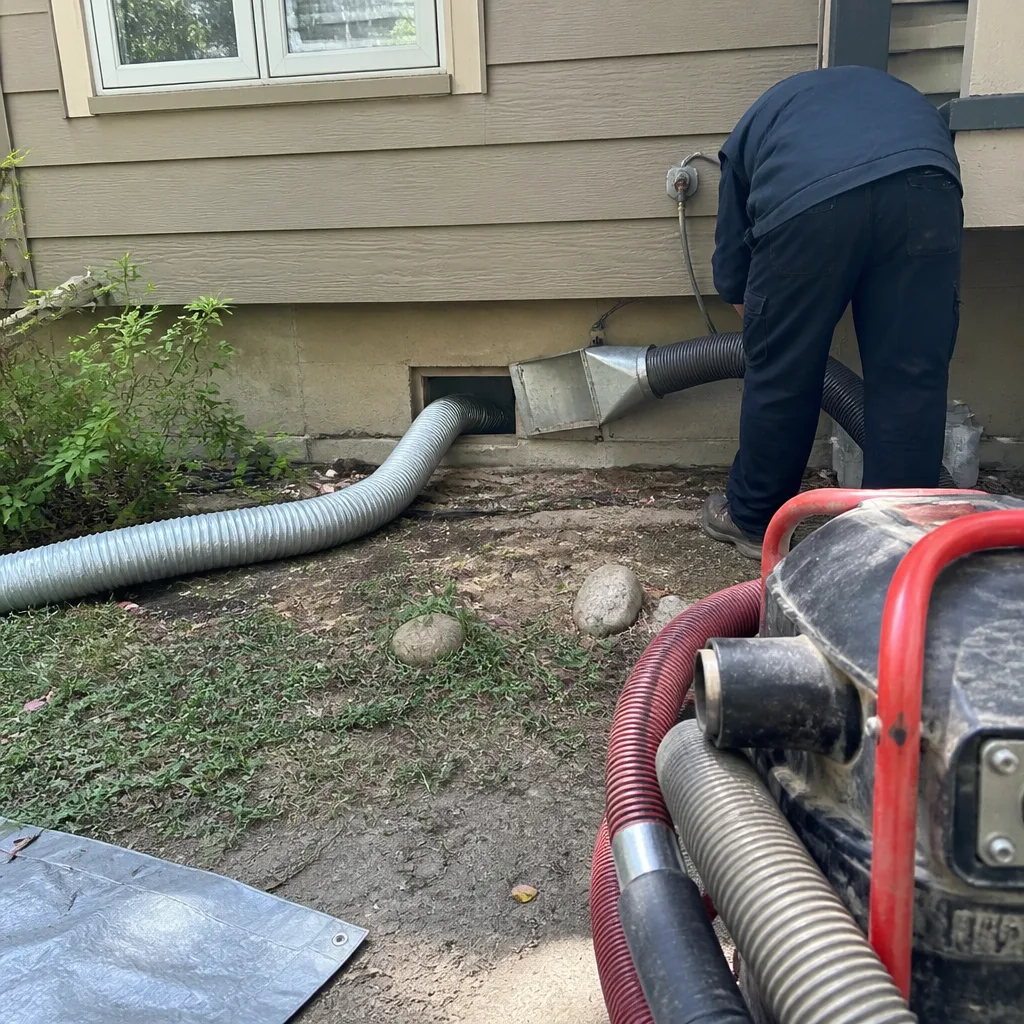 Before
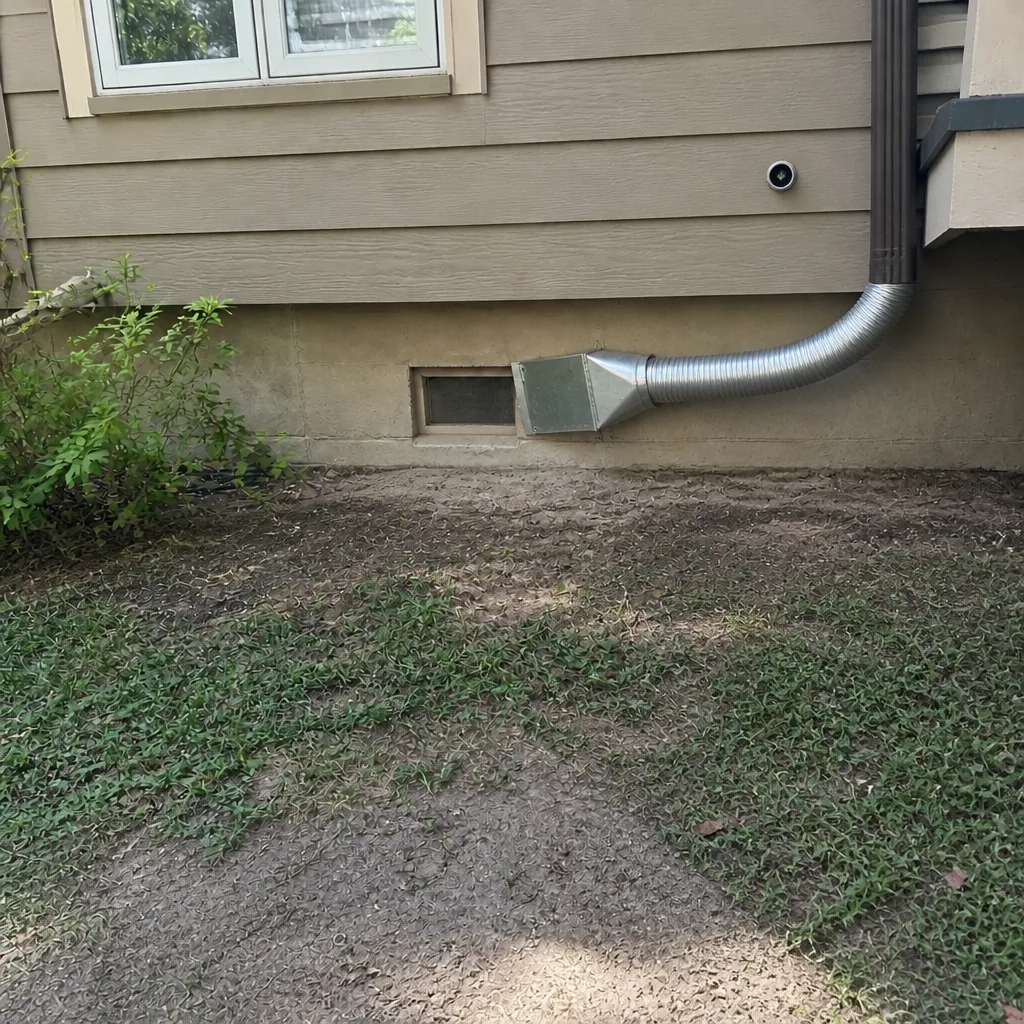 After
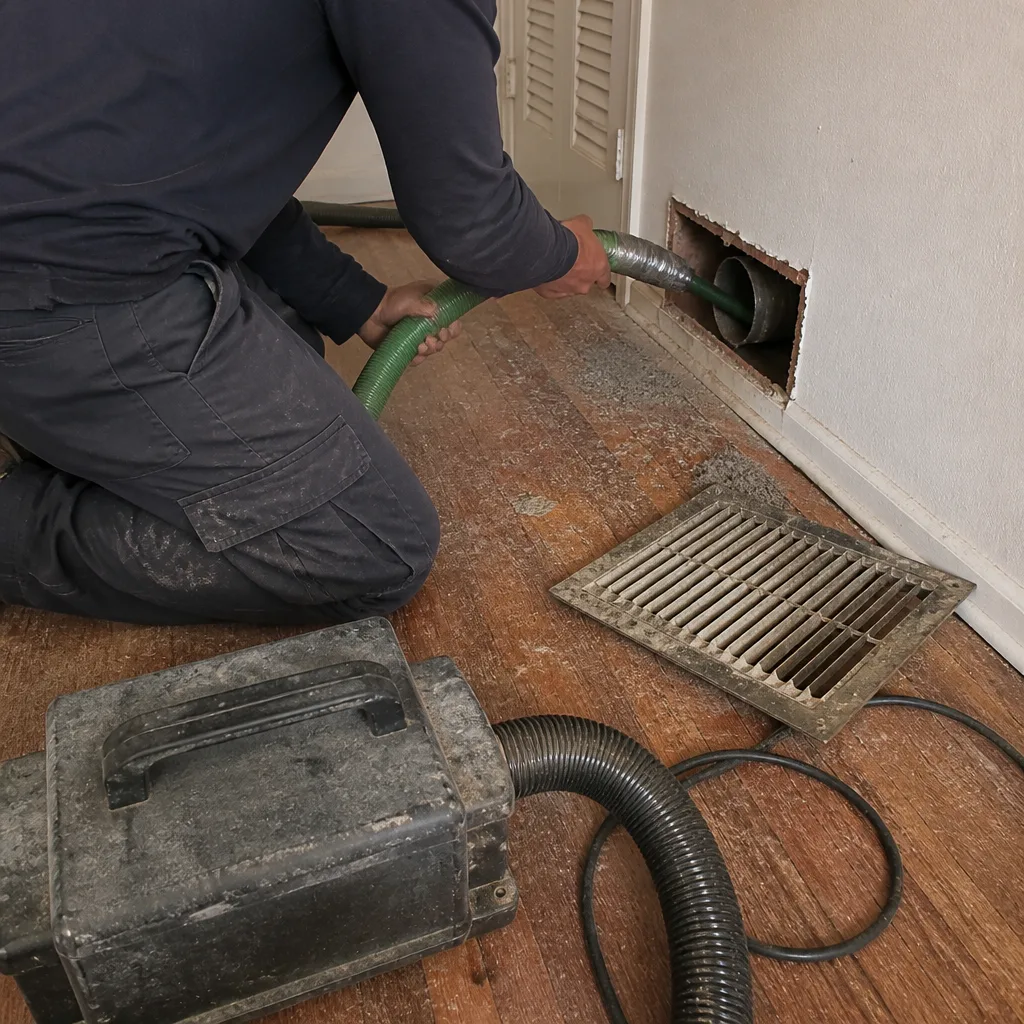 Before
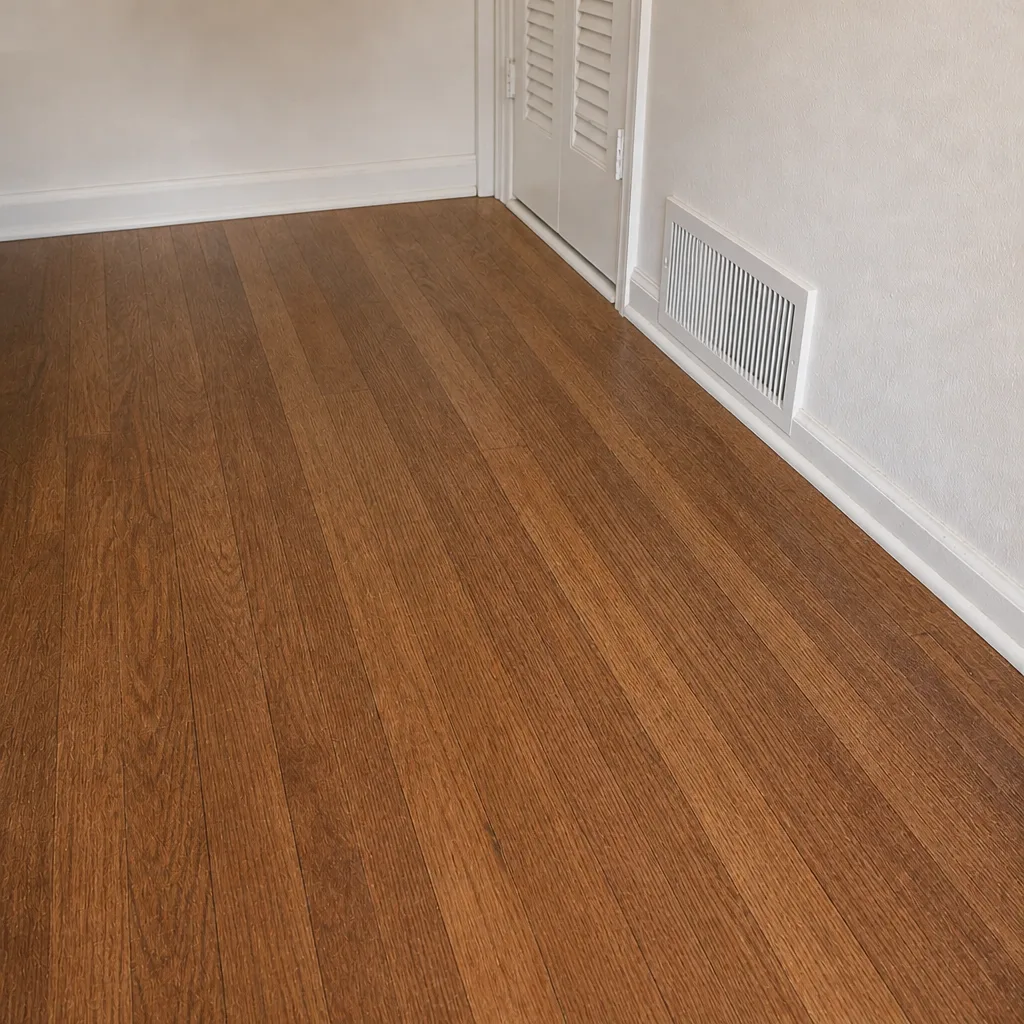 After
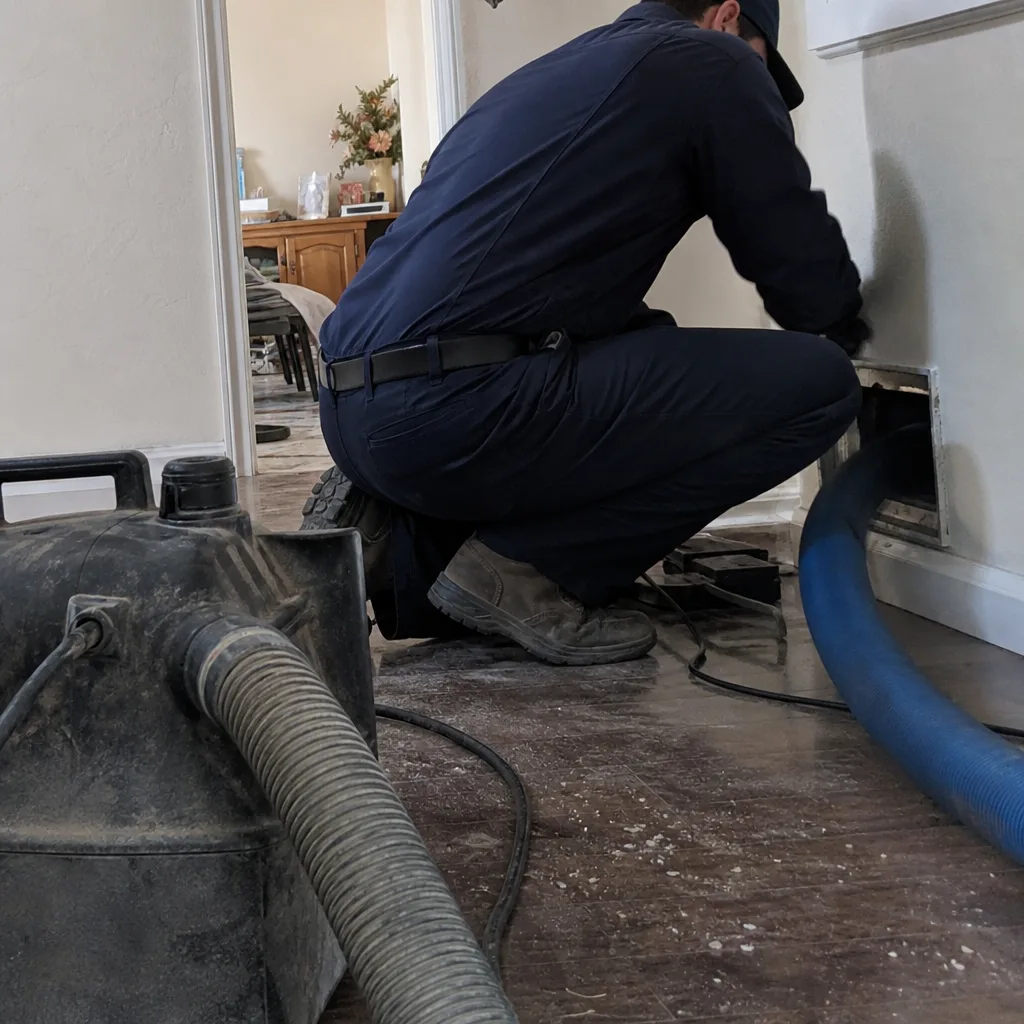 Before
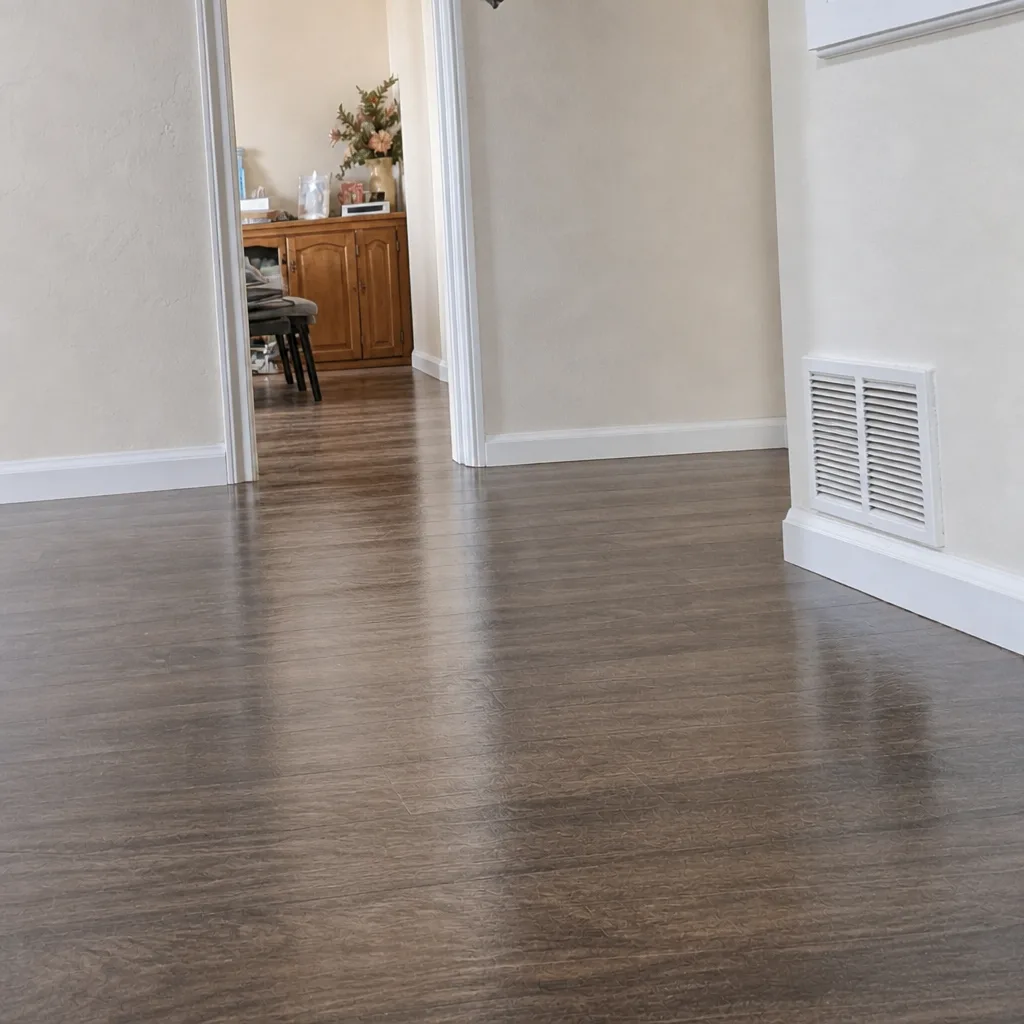 After
When to Call a Professional
Call a professional when you see visible accumulation inside the return plenum, when your system puffs dust at startup, or when a wildfire event has left a lingering smell that doesn’t clear on its own. Call when you’ve just finished a renovation and drywall dust is in the air, when you’ve moved into a home with an unknown service history, or when a new pet or a child with allergies has changed the equation for your household. Call if the dryer runs hot or clothes take more than one cycle to dry, and call if you’ve discovered torn flex duct in the basement. Westminster Air Duct Cleaning Pros offers free estimates in Westminster: call (833) 736-5689. We answer 24/7, with fast dispatch from 7am to 7pm, Sunday through Friday. The estimate is free and the price is set per job by the written estimate, so you know the final number before anyone touches your ductwork.
Frequently Asked Questions
A full residential cleaning in the Westminster market typically runs in the range of a few hundred to just over a thousand dollars depending on the number of runs, system layout, and whether HVAC cleaning or duct repair is included. Any quote you receive should be a written estimate for the whole system, not a per-vent figment. Call (833) 736-5689 for an exact quote – estimates are free.
Low quotes usually reflect the brush-and-blow method with no negative-air machine, no HEPA filtration, and no air handler cleaning. You’re paying for a job that loosens contamination without capturing it, which can leave your indoor air worse in the days after. Ask any company what equipment goes in the house, and treat a vague answer as your sign to call someone else. Call (833) 736-5689 to talk through what a legitimate cleaning includes.
Before-and-after photos of the interior of your own ducts are the simplest proof. A company set up for real source removal will also want to walk you through the air handler cabinet and the return plenum after the cleaning, so you can see the result first-hand. If a crew shows up with hand tools and leaves without documentation, the answer is almost certainly no. Call (833) 736-5689 to understand what our post-cleaning walkthrough includes.
Most Westminster homes benefit from a cleaning every three to five years, but the dry, high-altitude climate and the local wildfire smoke pattern can push that timeline shorter. Homes with pets, recent renovations, or a family member with asthma or allergies should treat the schedule as inspection-driven rather than calendar-driven. Call (833) 736-5689 for a free estimate and a specific recommendation for your system.
It can, and the effect is more noticeable in dry climates where fine dust stays airborne longer and settles into the return ducts more heavily. Clearing the accumulated particulate load reduces the amount of dust and dander the system redistributes, which is often the change allergy sufferers notice first. Sanitizing treatments on top of source removal address microbial and odor concerns that cleaning alone leaves behind. Call (833) 736-5689 to discuss what your household needs.
Dryer vent cleaning is a dedicated fire-safety service and part of the full duct ecosystem we address, not an add-on. Lint buildup in a dryer run is a genuine fire hazard in a dry climate, and it’s usually easy to include on the same visit as a duct cleaning. If you’re not sure when your dryer vent was last cleaned, ask specifically. Call (833) 736-5689 to schedule both together.
The Bottom Line
Air duct cleaning in Westminster is a climate-driven service, not a cosmetic one. At this altitude, dry air keeps fine particulates suspended longer, pushes them deeper into return plenums and flex branches, and front-loads the accumulation in ways a humid-climate cleaning schedule misses. The right cleaning is source removal, done with negative-air containment, HEPA filtration, and mechanical agitation, and it covers the full duct ecosystem: supply trunks, returns, flex branches, the air handler cabinet, and the dryer vent run. One flat price per system, agreed in writing before work starts, with photos of the interior of your ducts to prove the result, is the standard worth insisting on. If your inspection, your smoke exposure, or your renovation history says it’s time, we’re the Westminster Air Duct Cleaning Pros and we’re equipped to do it right.
Ready for a free estimate in Westminster? Call (833) 736-5689. We answer 24/7, with fast dispatch from 7am to 7pm, Sunday through Friday. The price is set per job by the written estimate, and we’ll show you what we found when we’re done.
Written by the team at Westminster Air Duct Cleaning Pros.